Iran War: A Test for Europe's Economy
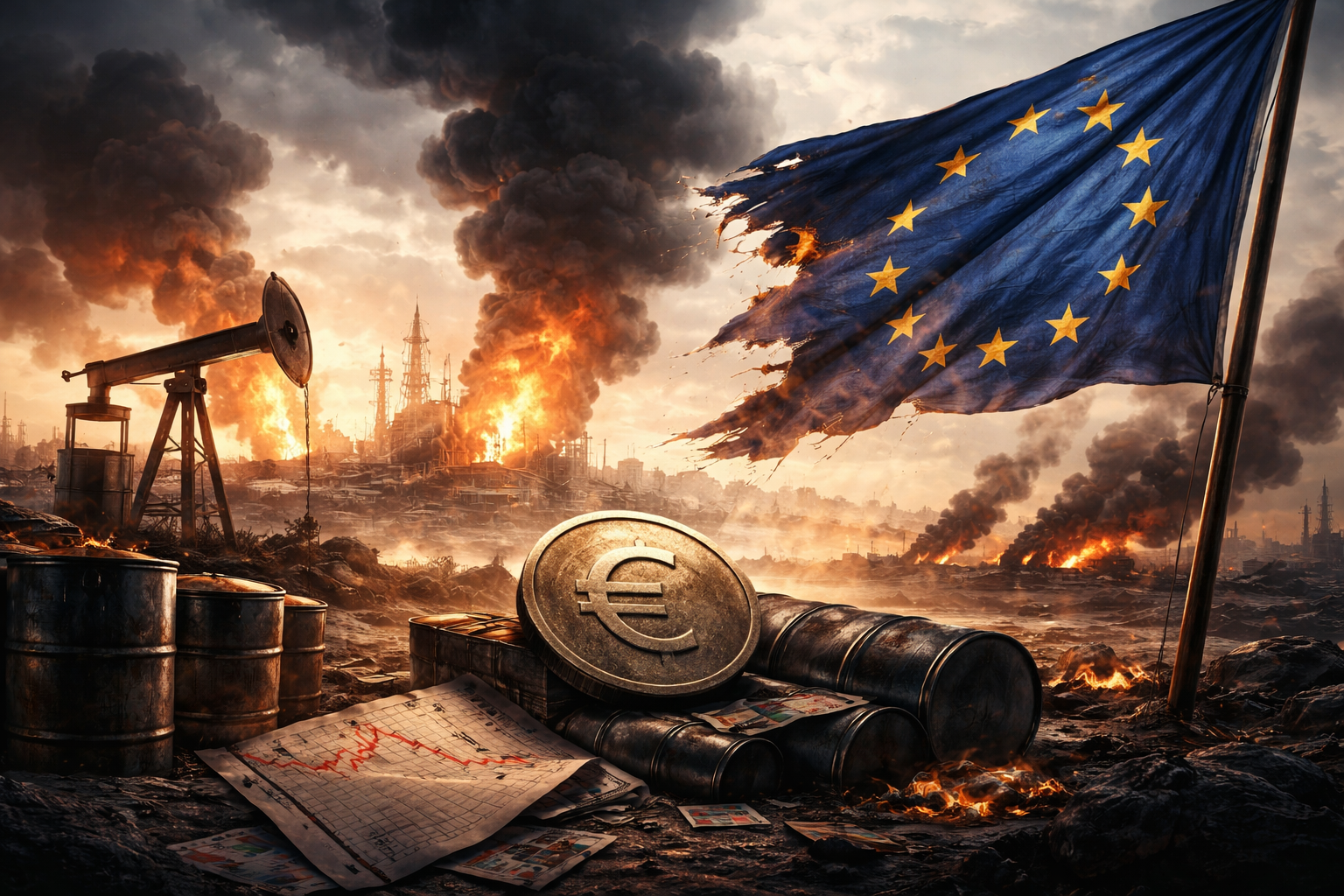
The next four weeks are seen as crucial for the direction of Europe's economic recovery, following rising geopolitical tensions following President Donald Trump's US attack on Iran. Analysts believe that if the escalation subsides quickly, the impact is likely to be limited to a temporary disruption. However, if the conflict escalates into a protracted campaign, the risks to eurozone growth—which has only recently begun to improve—will increase significantly.
A longer war scenario has the potential to revive inflationary pressures through the energy channel. The ECB itself has emphasized that external shocks—particularly spikes in energy prices due to geopolitical events—are a key source of risk to the inflation outlook. In a recent report, ECB Chief Economist Philip Lane warned that a prolonged conflict could push up eurozone inflation and depress economic activity, particularly if oil prices surge and remain high.
The impact is already reflected in the markets: European gas prices surged sharply after news of disruptions to LNG supplies from Qatar, while stock markets weakened as investors returned to risk-off mode. The surge in energy costs worsens the outlook for household purchasing power and industrial margins, and raises the risk of "imported inflation," making the path of interest rate cuts more cautious. Under such conditions, defensive assets tend to be sought after, volatility increases, and energy-sensitive sectors—such as transportation and manufacturing—have the potential to be the most stressed.
If oil and gas prices remain high, European governments could be compelled to expand compensatory spending to dampen the rising cost of living—a politically important measure but one that risks increasing the fiscal burden. The ECB has previously emphasized that fiscal support should ideally be temporary and more targeted to avoid prolonging inflationary pressures. For the market, the combination of expensive energy and increased government spending could keep yields at low levels, widen risk premiums, and keep the recovery of risk assets in Europe fragile until it is clear whether the escalation will subside in a matter of weeks or prolong.
Source: Newsmaker.id