US-Iran Negotiations Begin, Tehran: This Is Just Chapter 1
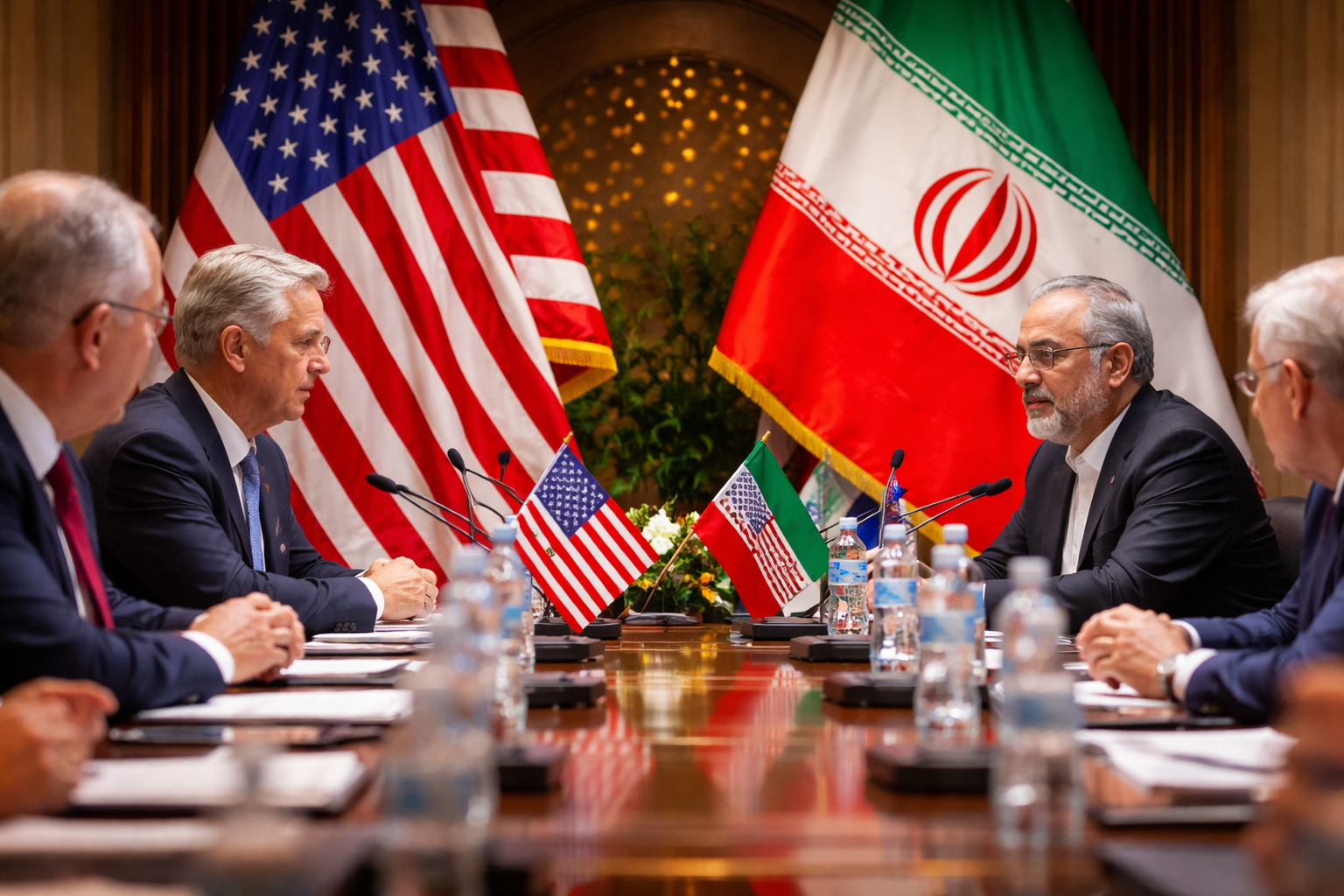
Iran and the United States are scheduled to begin negotiations on Friday (February 6) in Muscat, Oman, in an effort to defuse tensions that are feared could escalate into open conflict. However, Iran has signaled from the outset that this meeting is likely just the "beginning" of a longer diplomatic process—not a "quick deal."
According to Iranian state media (IRNA) as quoted by Reuters, the talks in Muscat will focus on "broad topics" first, rather than technical details. The primary goal is to clarify the roadmap for the next round of negotiations after the first session concludes.
The US delegation is expected to be led by Steve Witkoff (President Donald Trump's special envoy), while the Iranian side is led by Foreign Minister Abbas Araghchi. Iran has emphasized that its initial priority is to test the goodwill and seriousness of the US side before engaging in more specific discussions.
The problem is, from the outset, the agenda of the two sides has not "met." Iran wants discussions limited to the nuclear issue, while the US is pushing for negotiations to also address Iran's ballistic missile program and support for armed groups in the region. These differences are the main reason the market believes the road to an agreement will be long and fraught with tensions.
The impact of these tensions is already being felt in energy markets: oil prices have surged throughout the year due to the risk premium for war in the Middle East. On Friday, oil rose again, with Brent hovering around $68 per barrel in early trading, while the market remained sensitive to headlines from Oman and risks in the Strait of Hormuz.
Concerns about shipping lane security are also heating up. Bloomberg reported that several supertanker operators are accelerating their passage through the Strait of Hormuz in anticipation of increased risks—adding to tensions in the oil freight and logistics markets.
Amidst this situation, Iran also reportedly detained two ships in the Gulf suspected of carrying more than 1 million liters of smuggled fuel, and their crews (15 foreigners) were handed over to legal authorities. Such measures are common in Iran's anti-smuggling operations, but the timing has made the market even more wary. Meanwhile, warnings from Washington have added to the tension. Al Jazeera reported that the "US Virtual Embassy" posted an appeal for US citizens to consider leaving Iran, emphasizing that the situation remains risky despite diplomatic channels being opened.
Source: Newsmaker.id