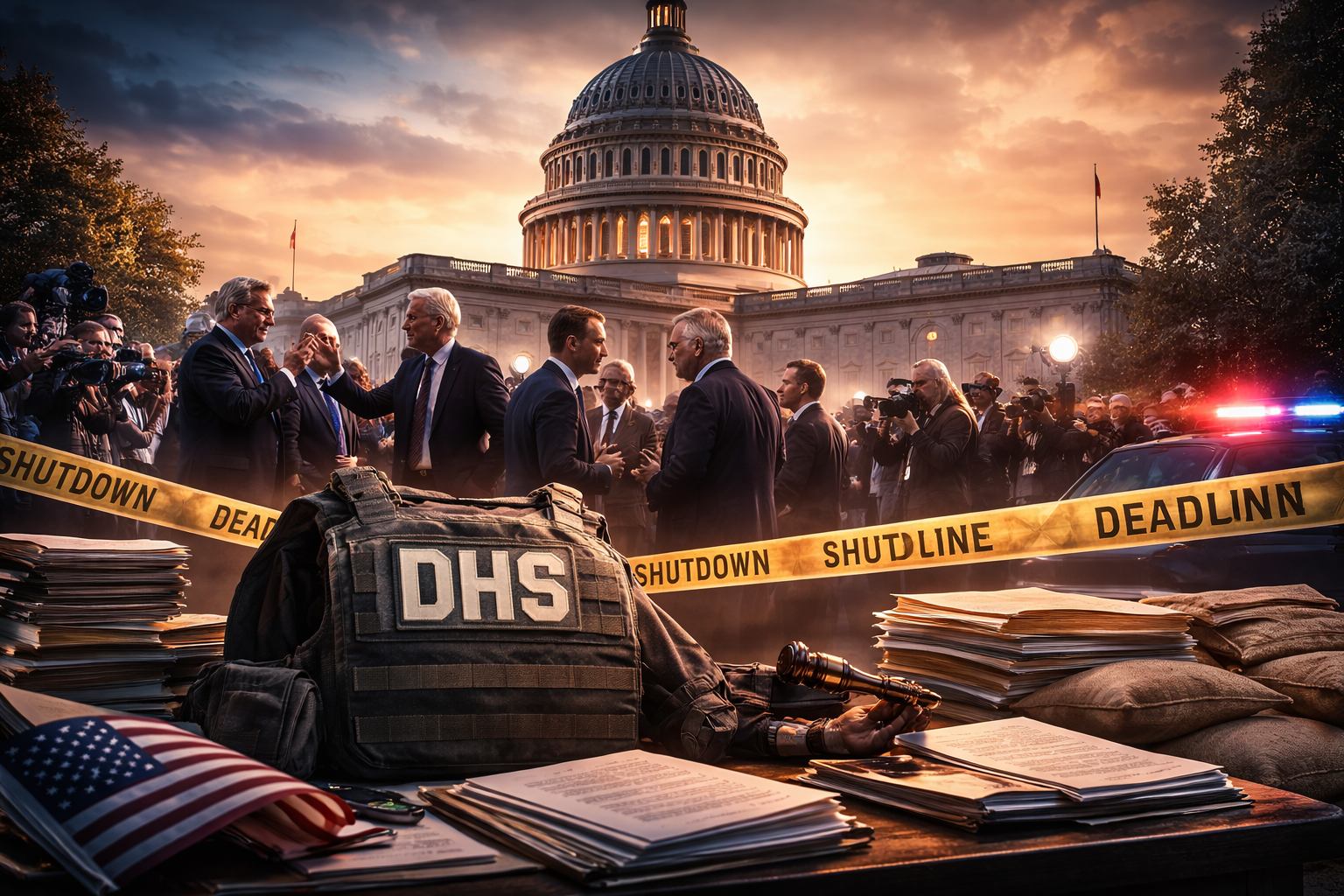
Shutdown Ends, DHS Tug-of-War Begins
The partial US government shutdown officially ended on Tuesday (February 3rd) after President Donald Trump signed a funding package that reopened most federal government functions. However, there's a key caveat: the Department of Homeland Security (DHS) funding in the deal only lasts until the end of next week, sending Washington straight into the next round of negotiations, which are expected to be much more difficult.
The package narrowly passed the House of Representatives with cross-party support 217–214, and the signing at the White House was attended by several legislative leaders. However, the deal doesn't address the root of the problem: Democrats and Republicans remain sharply divided over the rules that should be attached to DHS funding—particularly regarding how immigration agents operate during deportation enforcement operations.
The political tensions have simmered for more than a week, after the shooting of a US citizen by a federal immigration agent in Minneapolis sparked a wave of criticism and derailed a previously close funding deal. Democrats then demanded that additional DHS funding be accompanied by stricter restrictions and accountability standards for immigration agents, including arrest, vetting, and reporting procedures.
Within the Republican Party itself, the deal also faced challenges. Some conservatives considered the package too lenient to Democratic demands, nearly derailing the vote. House Speaker Mike Johnson reportedly had to lobby intensely until the last minute to secure the vote—a situation that illustrates the fragility of his current majority.
The agreement also created a new deadline: within approximately 10 days, Congress must find a more permanent DHS funding formula or at least a follow-up package. Failure to do so would threaten another DHS funding lapse, opening the door to another budget crisis, even though most other departments are already funded through September 30th (the end of the fiscal year).
From the Democratic side, opposition to DHS funding remains strong—a majority of Democrats voted against the package. They believe additional funding without regulatory changes will only expand immigration operations, which they deem "excessive." Some Democrats are demanding conditions such as a ban on officers wearing face coverings, mandatory body cameras, clear officer identification, and stricter regulations on the use of force.
Meanwhile, Republicans are rejecting several core Democratic demands, such as requiring warrants for arrests and searches, which they call unrealistic. Republicans are also pushing for a shift in focus to tightening local cooperation with federal authorities—including targeting the "sanctuary cities" policy. The result: the shutdown may be over, but the fight over DHS is just beginning—and next week's deadline could set the stage for further drama.
Source: Newsmaker.id