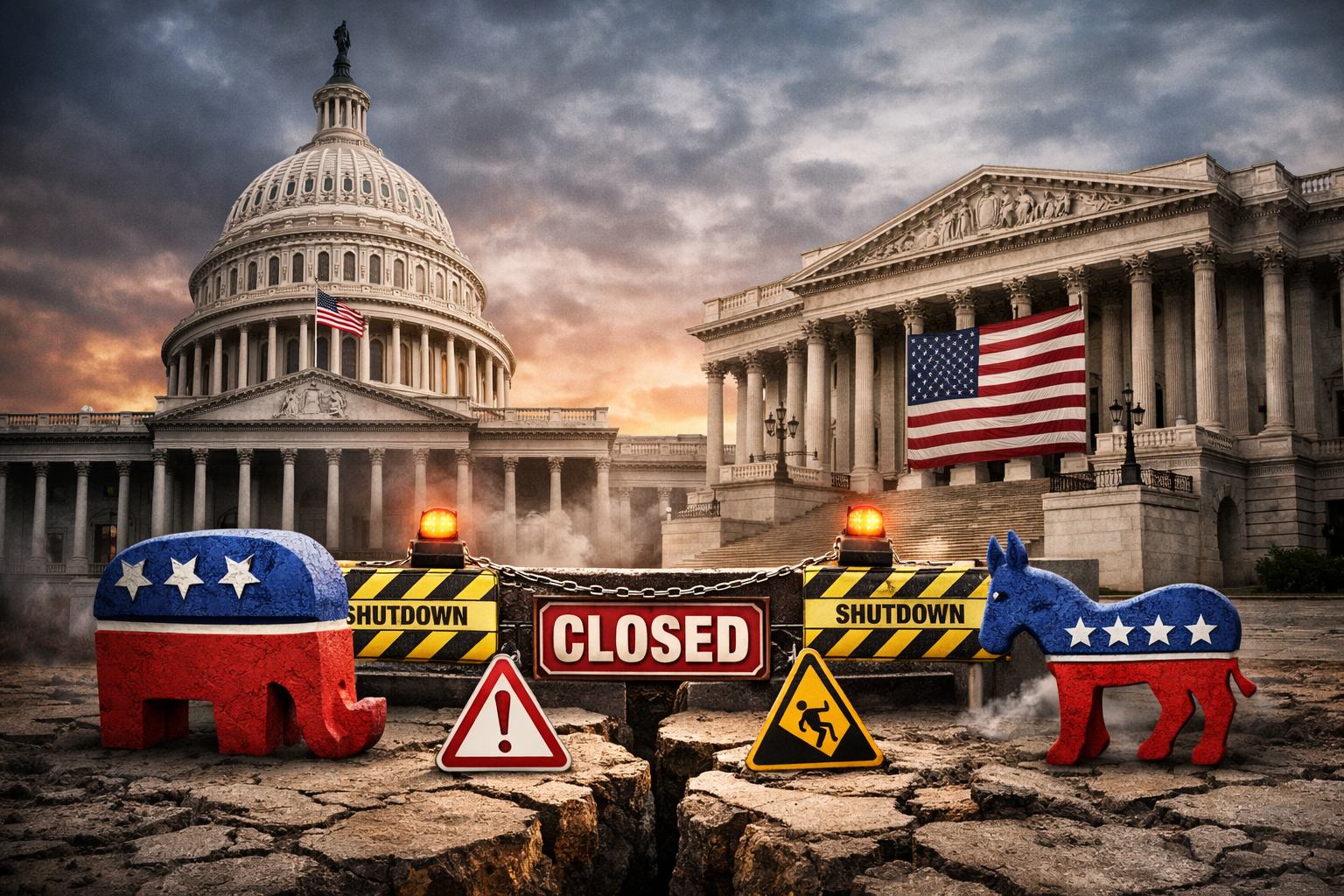
Bill Passes Senate, But House May Face Stumbling Block
The Republican-controlled US House of Representatives is scheduled to attempt on Tuesday (February 3) to pass a funding package to end the government shutdown that began Saturday. The bill passed the US Senate last week with bipartisan support and was pushed directly by Donald Trump to remain unchanged, as even the slightest change could restart the process and prolong the shutdown.
The package includes full funding for several agencies (including defense, health, labor, education, and housing) through October, while funding for the Department of Homeland Security is temporarily extended to allow lawmakers time to negotiate changes to immigration enforcement policies. If passed by the House without revisions, the bill will head directly to Trump's desk to be signed into law.
The problem is that the bill faces resistance from an unusual coalition: Democrats and some hardline Republicans. Democrats are demanding new restrictions on immigration enforcement tactics following the deaths of two US citizens that sparked public outrage, while conservatives want to include citizenship and photo ID requirements for registration/voting—which House leadership has rejected as outside the purview of a spending bill.
The situation is further strained by the fact that the US House of Representatives has a razor-thin majority of 218–214. This means that if Democrats unanimously reject the measure, Republicans can effectively lose a maximum of one vote from their own side. House Democratic Leader Hakeem Jeffries has even signaled his party will reject it on the initial procedural vote—although there's a chance some members could support it in the final round if it clears procedural hurdles.
If this deal passes quickly, the impact will be significant: government services could return to normal and the risk of economic disruption could be mitigated. The last shutdown (October–November) lasted 43 days and was estimated to cost around US$11 billion, so markets believe the longer the shutdown lasts, the higher the bill will be—both for public services and business sentiment.
Source: Newsmaker.id