Davos Heats Up: Trump vs. Europe
US President Donald Trump said he believes the European Union will continue investing in the United States, despite Washington's new tariffs linked to Trump's push to take over Greenland. The statement comes as US-Europe relations are again strained, following widespread rejection of the idea by European leaders.
Earlier on Tuesday (January 20), European Commission President Ursula von der Leyen described the tariff threat as a misstep and a potential detriment to the economic commitments both sides have made. In Europe, officials are preparing response options—including potential retaliatory measures—which they fear could escalate and destabilize trade relations.
Trump, during a White House press conference, expressed doubt that the EU would actually withdraw its investment commitments. He emphasized that Europe needs economic access and a deal with the US. Trump also announced plans for phased tariffs on eight European countries if no agreement is reached on Greenland, while declining to elaborate on how far he would go to achieve that goal.
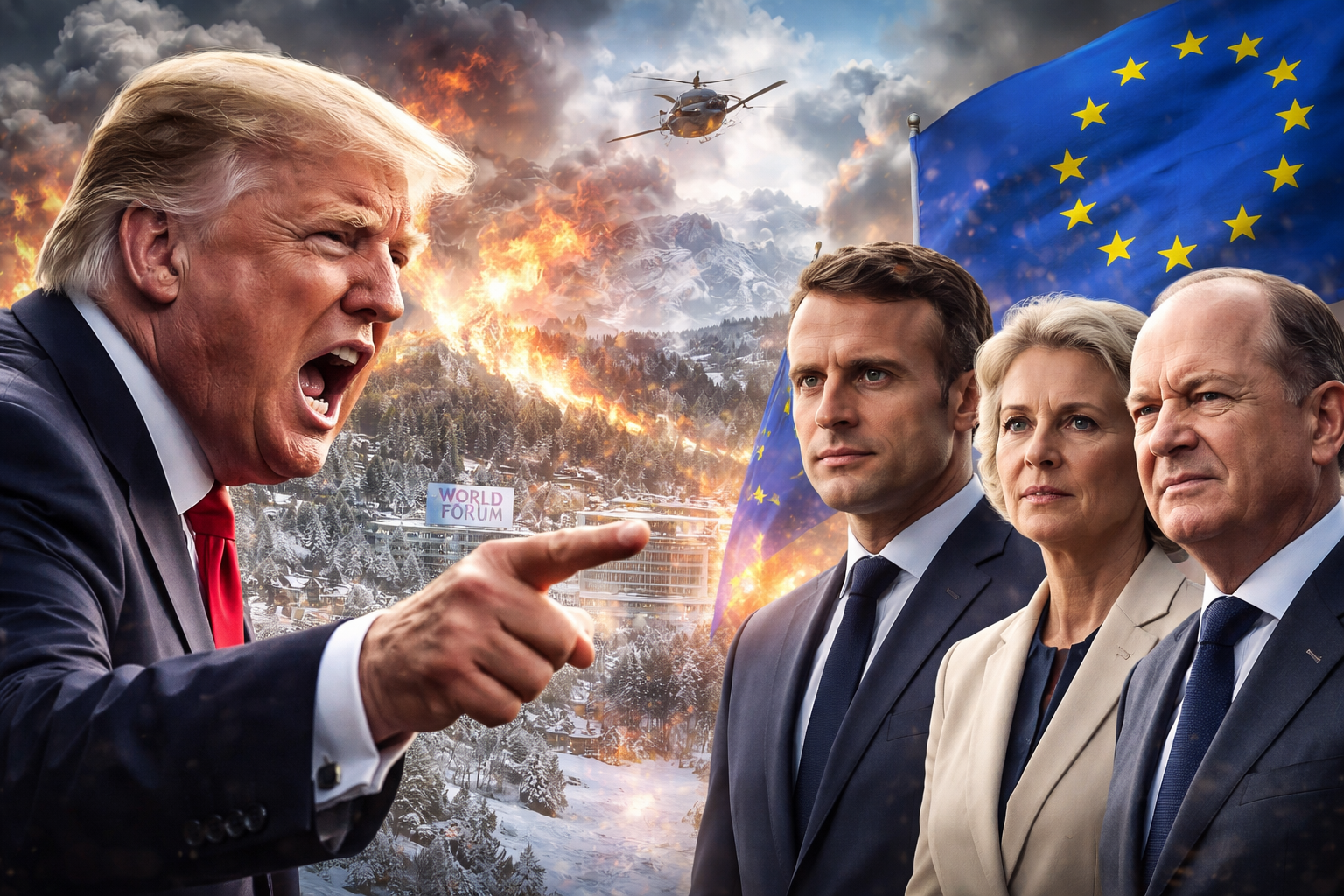
The statement came ahead of his departure for the World Economic Forum in Davos, Switzerland, where he is expected to meet with several European leaders. Trump also downplayed criticism from figures like French President Emmanuel Macron and British Prime Minister Keir Starmer, saying face-to-face talks typically work better than public comments.
The Greenland issue itself has become a new source of tension within the transatlantic alliance. Trump argued that control of Greenland is crucial to US security interests, including countering Russian and Chinese influence in the Arctic. He also stated that the option of using force remains on the table, although this statement drew a strong response from Denmark and raised concerns about the impact on NATO.
On the US side, Treasury Secretary Scott Bessent also urged US trading partners not to overreact and refrain from retaliation that could escalate the situation. He considered speculation about extreme measures—such as a massive sale of US assets by Europeans—an unrealistic scenario, although markets remain wary of the risks that could arise if political tensions escalate into a broader economic conflict.
Source: Newsmaker.id