Mexico Locks Chinese Imports: New Tariffs Increase to 35%
Mexico will raise significant import tariffs starting Thursday, particularly on goods from Asian countries. This policy is expected to bring Mexico closer in line with the US in curbing the influx of Chinese products into the domestic market.
The measure, approved by Congress in early December, raises tariffs to 35% for countries that do not have free trade agreements (FTAs) with Mexico, including China, India, South Korea, Thailand, and Indonesia. However, China is expected to be the most affected.
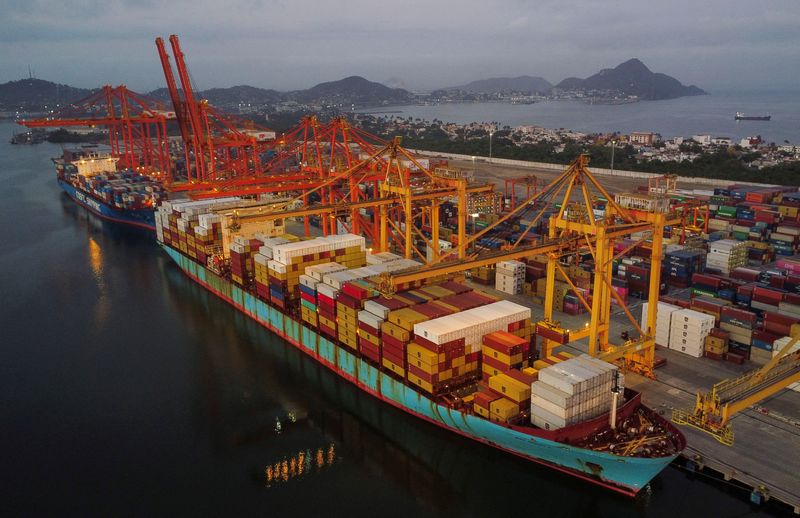
The tariff increase applies to thousands of products, from cars and parts, textiles and clothing, plastics, and steel. This means that the cost of these goods entering Mexico will be higher than before.
This policy has drawn strong opposition from China and also approval from some domestic Mexican industries, which are concerned about rising production costs due to higher imported raw materials and components.
Mexican President Claudia Sheinbaum and her government have emphasized that the tariffs are aimed at strengthening domestic production and addressing trade across the board, and they have stated that the policy does not target any specific country.
Mexico's Ministry of Economy stated that this measure protects approximately 350,000 jobs in sensitive sectors such as footwear, textiles, clothing, steel, and automotive. The government also plans this policy to increase state revenue by approximately US$3.76 billion next year, amid efforts to reduce the fiscal deficit. However, some analysts believe that these tariffs, which are most impactful on Chinese goods, also serve to ease US political pressure ahead of the USMCA review.
Key points:
- Mexico's new tariffs take effect Thursday, with most increasing by up to 35%.
- Targets countries without FTAs, including China, India, South Korea, Thailand, and Indonesia—the largest impact is predicted to be on China.
- Applies to thousands of products: automotive, textiles/clothing, plastics, steel, etc.
- There is opposition from China and local industry concerns about rising costs.
- The government claims to protect approximately 350,000 jobs and support reindustrialization.
- Projected to increase revenue by US$3.76 billion; analysts also assess this is related to the dynamics of the USMCA and US pressure. (asd)
Source: Newsmaker.id