Trump's New AI Order: Will Gold, the Dollar, and Oil Swing?
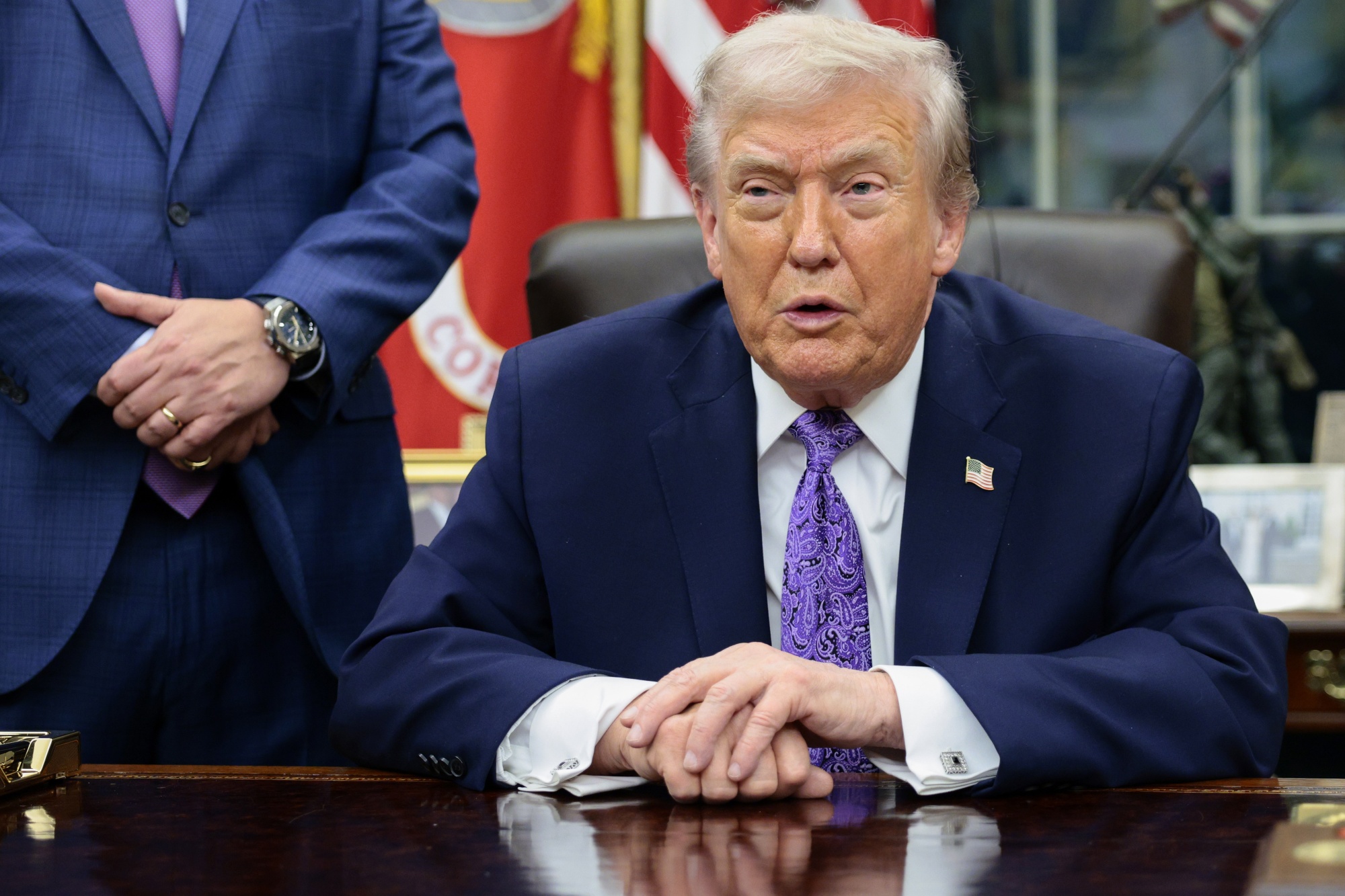
United States President Donald Trump has just signed a new executive order regulating artificial intelligence (AI) at the national level. The order, titled "Ensuring a National Policy Framework for Artificial Intelligence," essentially aims to prevent states from creating their own AI regulations. Trump believes that too many different regulations in each state could confuse technology companies and ultimately hinder investment and innovation in AI in America.
In the executive order, Trump ordered the Attorney General to establish an "AI Litigation Task Force," a special team tasked with challenging state-level AI regulations deemed "obstructive" to national policy. Furthermore, the Department of Commerce was asked to create a list of state laws deemed too burdensome, and states that defy them risk losing access to some federal grant funds, particularly those related to broadband and technology projects.
This policy was welcomed by many major technology companies in Silicon Valley, which have long called for a single national standard to avoid having to comply with dozens of different regulations across the US. However, several state governors—both Republican and Democratic—and civil rights groups criticized the order. They believe Trump's move favors Big Tech too much and could weaken consumer protections, privacy, and even anti-discrimination regulations currently under development in states like California and Colorado.
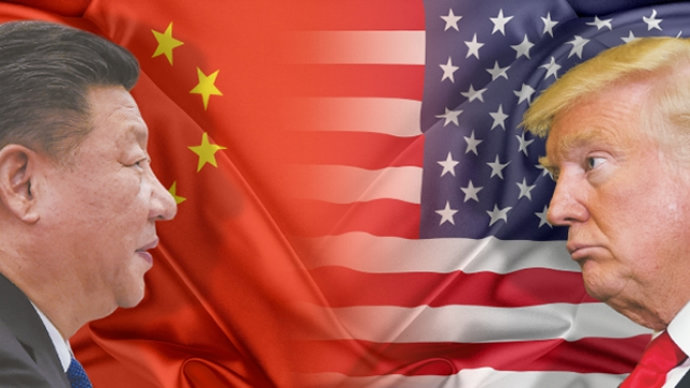
Politically, Trump framed this policy as part of an "AI race" against China. He repeatedly asserted that America must be the ultimate winner in AI technology, and this is only possible if domestic regulations are made "as light as possible" for industry players. Critics warn that focusing solely on the speed of innovation without adequate oversight could create new risks: from data misuse and political manipulation through deepfakes to potentially broader social impacts.
For financial markets, the impact is more on short-term sentiment. This deregulation measure tends to be seen as positive for technology stocks and risk-on sentiment. Under such conditions, typically: the US dollar has the potential to strengthen slightly due to capital inflows into risky assets in the US; gold and silver could lose some of their appeal as safe-haven assets, making them vulnerable to short-term corrections, although the broader trend remains determined by interest rates and geopolitics. Meanwhile, oil prices are more influenced by other factors such as OPEC, global demand, and geopolitical issues. Therefore, the direct impact of this AI policy on oil is relatively limited and only appears through general market sentiment. (asd)
Source: Newsmaker.id