Trump Signs Spending Bill, Ending Longest Shutdown in U.S. History
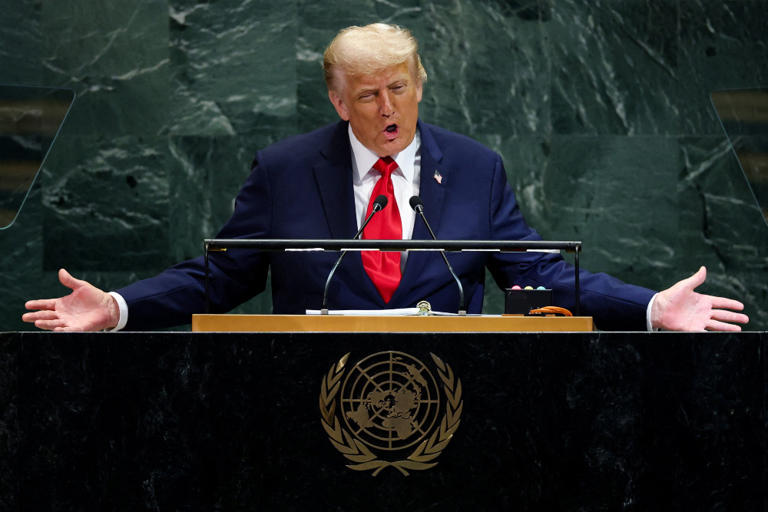
On Wednesday, President Donald Trump signed a funding bill to end the longest U.S. government shutdown in history. The 43-day shutdown caused numerous disruptions, including halting food aid to millions of households, canceling thousands of flights, and forcing federal workers to work without pay. This decision allows the government to begin operating again, with some federal workers expected to return to work on Thursday.
However, even though the shutdown is over, a full recovery from the disruption will take time. Transportation Secretary Sean Duffy estimated that it could take up to a week to resolve flight restrictions at major airports. The bureaucratic backlog is also expected to take even longer, given the backlog of work that remains after nearly two months without normal operations.
The government shutdown has had a significant impact on the U.S. economy. The Congressional Budget Office (CBO) estimates that the six-week shutdown has reduced U.S. gross domestic product (GDP) growth by about 1.5 percentage points. While some of these losses could be recovered early next year, the government must immediately address the issue of restoring paychecks for federal workers and resuming various programs that were interrupted.
The funding bill, approved by the House of Representatives by a vote of 222-209, also includes the reinstatement of federal workers laid off during the shutdown. However, while this deal ends the shutdown, a major debate over extending subsidies for health insurance remains pending. Democrats wanted the bill to include an extension of subsidies under the Affordable Care Act (ACA), but the approved bill only addresses the funding issue temporarily through January 30th.
Although Republicans successfully pushed through this deal, they faced criticism from Democrats who felt the bill did not address some of their key demands, particularly on health care. Talks on extending the ACA will continue in the coming months, with the issue likely to return to the forefront of policy discussions in Congress.
The shutdown has indeed had significant economic costs, including additional administrative costs, delays in releasing critical data, and costs to individuals who have not received their paychecks. However, the long-term impact on the US economy may not be as severe as previously thought, although there remains a small scar left by the disruption. In addition, affected federal workers will receive delayed paychecks, but larger costs remain because the shutdown does not save the government money. (asd)
Source: Bloomberg