China's Fleet, America's Risk?
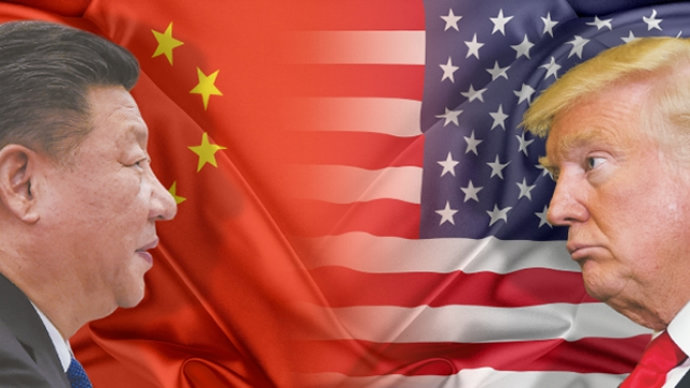
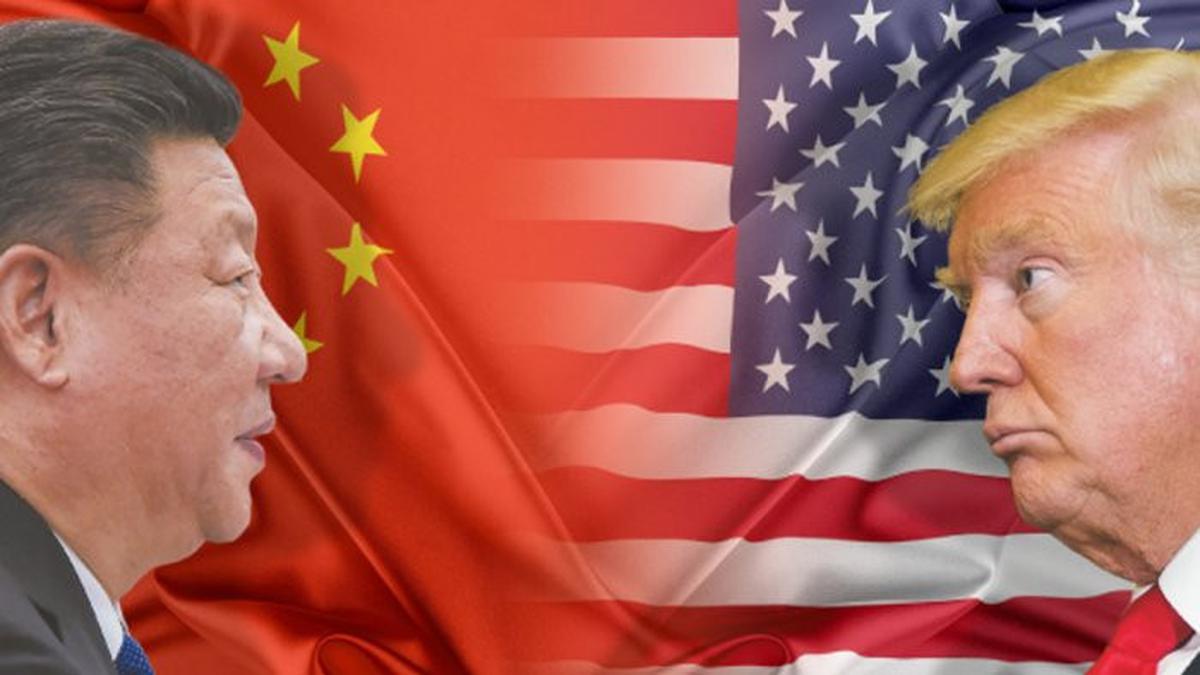
The Trump administration suspended docking fees for Chinese-built ships as part of a “trade truce” last month. The move has drawn criticism for weakening U.S. efforts to protect port access—so-called privileges—and increasing supply chain vulnerabilities.
U.S. dependence on the Chinese fleet is now massive. Last year, more than $5 trillion worth of goods flowed through U.S. ports, including $3 trillion in imports, and nearly a third of that was carried by ships built, owned, or operated by China. The U.S. shipbuilding industry itself has declined sharply: from 77 commercial vessels built in 1975 to fewer than five currently on order, particularly since federal subsidies were discontinued in 1982—eliminating tens of thousands of skilled jobs.
In contrast, China has expanded its maritime dominance over the past 25 years thanks to massive subsidies. The country now produces 55% of the world’s ocean-going vessels (up from 5% in 1999), makes 95% of shipping containers and 70% of global harbor cranes, and has control or stakes in nearly 100 major ports. The impact is not just economic: approximately 90% of US military cargo is transported by sea, making this dependence a threat to national security.
The suspended docking fee policy was originally designed to level the playing field. The rule imposes $50 per ton of cargo capacity on Chinese-owned/operated vessels (increasing gradually to $140 by 2028), and lower rates for non-Chinese operators using Chinese-built vessels ($18 per ton or $120 per container). Shipowners can qualify for a reduction if they order US-built vessels within three years. Early indications are positive: the share of Chinese-built vessels on three major US routes has fallen by nearly eight percentage points, and analysts estimate that within a year only one in 20 ships in US ports will be Chinese-built.
The suspension of the fee is seen as sending the wrong signal to Beijing and weakening coordination with maritime allies like South Korea and Japan. Any delay risks strengthening Chinese shipyards while US ships remain idle. Some economists are urging Washington to immediately reinstate docking fees and consistently pursue maritime independence to mitigate risks to the economy and national security. (az)
Source: Newsmaker.id