A Trade Deal Almost Done? Leaks from Malaysia
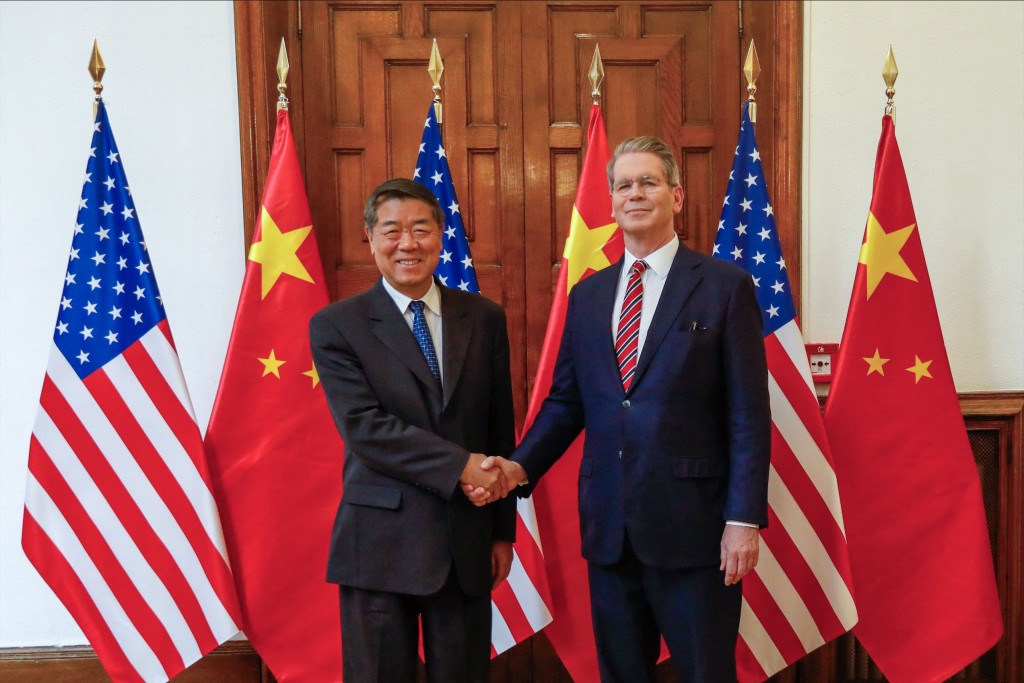
The two-day meeting in Malaysia last week between US Treasury Secretary Scott Bessent and top Chinese economic officials ended with one major outcome: both sides said they had a "framework for a trade agreement." Essentially, the US and China both wanted to de-escalate tensions before a face-to-face meeting between President Donald Trump and President Xi Jinping. They agreed in principle on several issues that had been fracturing relations between the two countries, so now it just needed to be escalated to the leaders' level for ratification.
One of the most significant points: the threat of 100% tariffs on Chinese goods was reportedly "off the table." In exchange, China was prepared to postpone restrictions on rare earth exports (rare minerals crucial for technology industries like batteries, chips, and electric vehicles) for a year while they were reviewed. The US also said China would resume buying large quantities of American soybeans. This directly targets two of Trump's interests: the US tech industry and American farmers.
It's not just about trade in goods. From a political and economic security perspective, the two countries also discussed TikTok, fentanyl, shipping costs, and technology export controls. The US wants the American version of TikTok to be more under the control of US investors, while China wants to ensure secure access to its technology. Furthermore, both sides agreed that the threat of new retaliatory measures (additional tariffs from the US and additional export controls from China) was temporarily "parked," to prevent the trade war from escalating. This has given global markets a sense of relief.
Next steps: All these initial results will be brought to the Trump-Xi table at a leaders' meeting, scheduled for this week in Asia. The goal is not only to calm trade relations but also to open broader discussions—including cooperation on rare earth supply security, global supply chain stability, and even the possibility of working together on geopolitical issues like the war in Ukraine. If the two leaders agree, the market will read this as a signal of a new "trade truce" between the world's two largest economies. (asd)
Source: Newsmaker.id