Trump Claims War “Almost Over,” Energy Market Reprice
US President Donald Trump signaled a de-escalation in the conflict with Iran, sparking improved market sentiment and helping stabilize global energy prices. Trump said talks with Tehran could resume “in the next two days,” and hinted that an extension of the two-week ceasefire agreed to last week might not be necessary—without elaborating on what progress would be.
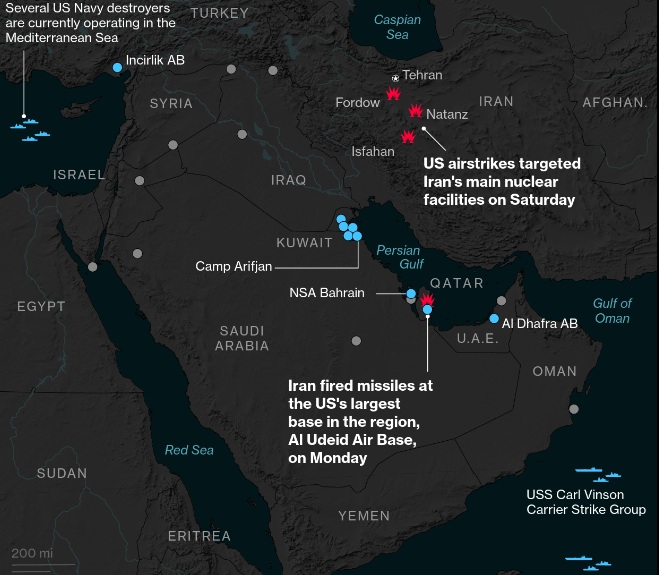
Washington’s change of tone comes after the US imposed a blockade to restrict Iranian oil exports. US Centcom declared the blockade fully in place on Monday, with naval operations hampering shipping movement outside the Strait of Hormuz in the Gulf of Oman, including forcing some to turn back. Meanwhile, signals from the ground remain mixed: there are reports of an Iraq-bound supertanker passing through the waterway, a potential first westbound crude carrier since the blockade began, while semi-official Iranian media also claimed an Iranian supertanker had crossed into Iranian waters, though this has not been confirmed by the US.
Trump also called the war “nearing its end” and emphasized his preference for a deal, while leaving uncertainty over whether the US will remain on the negotiating track or withdraw troops without a clear peace roadmap. The shift in narrative from a “total blockade” to expectations of a breakthrough leaves many questions, including the status of Iran’s uranium enrichment. Israel insists the material must be removed, while Trump expressed displeasure with reports that the US was seeking a two-decade moratorium, while emphasizing that Iran must not acquire nuclear weapons.
The market impact was swift. Trump’s portrayal of diplomatic progress fueled a global stock rally, with major indexes erasing their declines since the war began in late February. Negotiation optimism also helped keep oil prices below US$100 per barrel, although damage to Gulf energy infrastructure and supply disruptions continued to impact retail fuel prices in the US, which are at seasonal highs. The IEA warned that surging prices for products like aviation fuel and gasoline are beginning to pressure consumers, leading to the first annual decline in global oil demand since 2020.
However, the transmission channel to inflation has not been completely broken. Although oil futures weakened, physical crude prices briefly reflected more extreme shortages, so the risk of “second-round effects” on consumer prices remains a concern for central banks. On the policy front, the US Treasury Department stated that a temporary waiver allowing partial purchases of Iranian oil will expire this weekend, potentially further tightening supply perceptions if Hormuz flows are not restored soon.
The market will be monitoring three things in the next 48 hours: certainty about the schedule and agenda for new US-Iran talks, evidence of the restoration of shipping flows in Hormuz under the blockade, and any signs of compromise on the nuclear issue and the scope of the ongoing regional conflict. (Arl)
Source: Newsmaker.id