Middle East Still Heated, Where Are Commodities Heading After the Attack?
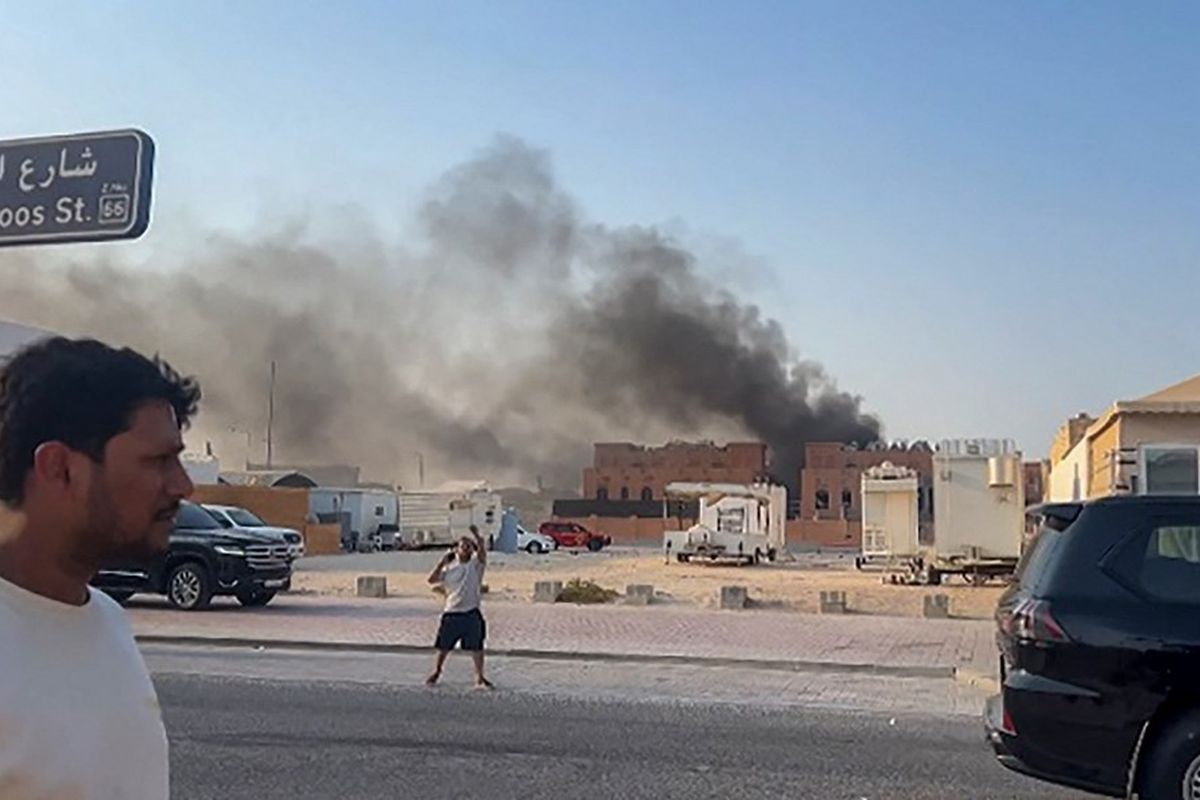
Tensions in the Middle East have escalated again after Israel launched an airstrike in the Leqtaifiya district of the capital, Doha, Qatar, on Tuesday (September 9). The attack targeted Hamas political leaders who were holding a meeting regarding a US-mediated ceasefire proposal. At least five people were killed, including the son of a Hamas leader and a Qatari security officer. However, reports indicate that most senior Hamas leaders survived the attack.
Qatar strongly condemned the attack, calling it a form of "state terror" that undermined mediation efforts and undermined hopes for a ceasefire agreement or the release of the hostages. The UN Security Council, with the support of the United States, also condemned Israel's actions as a violation of Qatar's sovereignty. Condemnation also came from Gulf countries, including the United Arab Emirates (UAE) and Saudi Arabia. The UAE even launched a diplomatic tour to strengthen security coordination following the attack.
Israel defended its actions, citing national security needs to target Hamas figures deemed involved in attacks on civilians and its military. Hamas, meanwhile, asserted that the attack would not deter its struggle.
This incident is feared to worsen the diplomatic process, which has relied heavily on Qatar as a neutral mediator between Israel, Hamas, and the international community. Furthermore, the attack has the potential to complicate the already fragile ceasefire and hostage release negotiations.
This conflict has had a direct impact on financial markets: the US dollar tends to strengthen due to its role as a safe haven asset, while gold and silver prices are pushed up by increased demand for hedging amid geopolitical uncertainty. Crude oil also has the potential to strengthen as investors anticipate the risk of energy supply disruptions from the Gulf region, one of the world's largest production centers. (mrv)
Source: Newsmaker.id