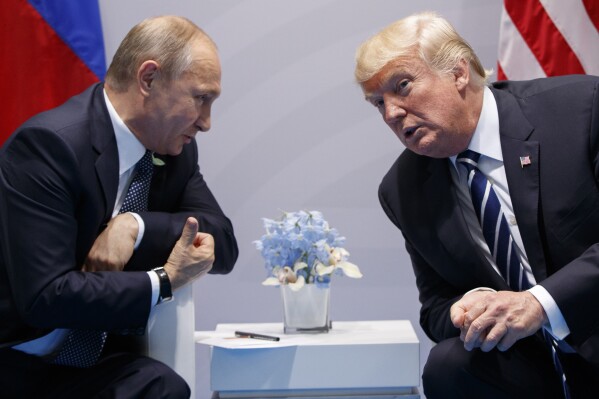
Sanctions or Weapons? Trump Prepares Double Pressure to End Ukraine War
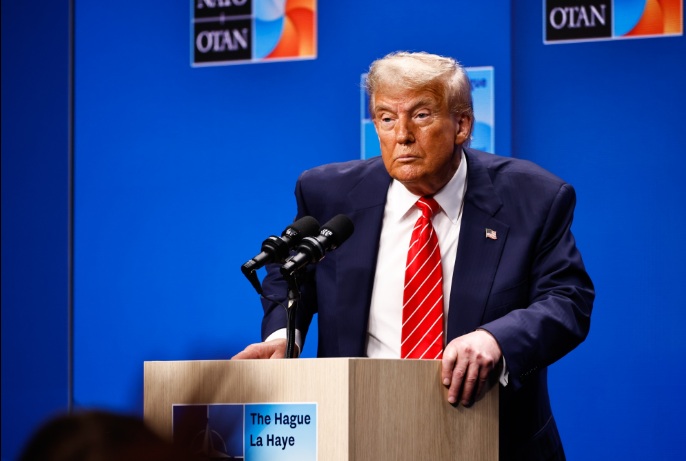
US President Donald Trump issued a new threat to Russia, saying that if there is no peace deal within the next 50 days, he will impose tariffs of up to 100% on Moscow. He made this statement during a meeting with NATO Secretary General Mark Rutte at the White House on Monday. These tariffs are referred to as "secondary tariffs," meaning they could also be imposed on other countries still trading with Russia, such as China and India.
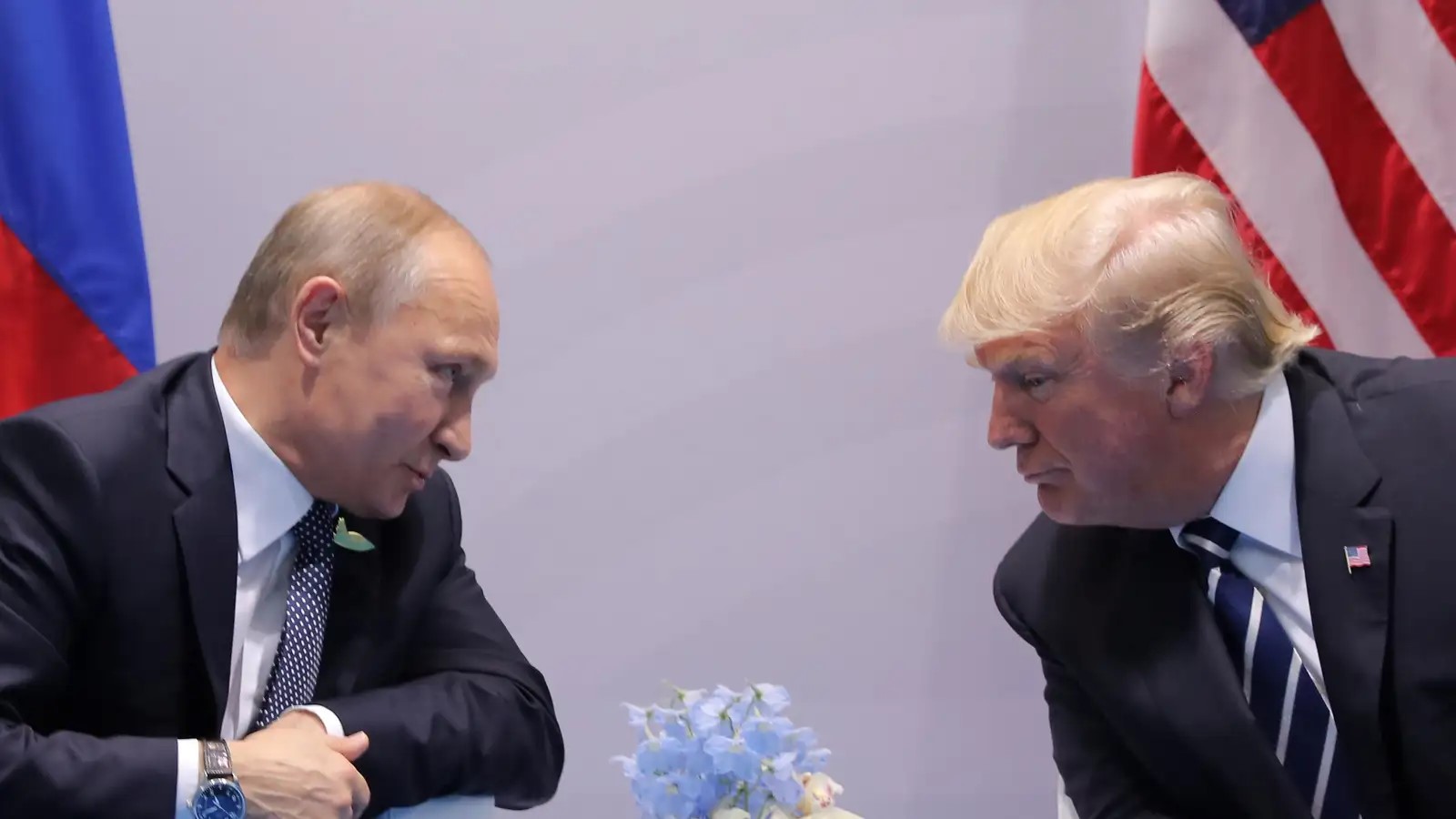
This move comes after several US diplomatic efforts failed to persuade Russian President Vladimir Putin to halt his attacks on Ukraine. In recent weeks, Russia has even intensified its airstrikes using drones and missiles on Ukrainian territory. Trump said he was "disappointed" with Putin, but has not "given up" and said there is still room for stronger diplomatic and economic pressure.
As part of his efforts to push Russia back to the negotiating table, Trump also promised new military aid to Ukraine. He said the US would deliver advanced weapons such as the Patriot air defense missile system in the near future. However, he emphasized that NATO countries would cover the cost of shipping the weapons, while the US would only produce them. German Chancellor Friedrich Merz welcomed this move and assured that his country would contribute significantly.
However, some doubt whether Trump's tariff threats will actually have a significant impact on the Russian economy. Global oil prices have actually fallen over the past two days as global traders see the potential for Russian exports as still limited. Meanwhile, China has criticized the US sanctions plan, calling it a form of "long-arm jurisdiction" and asserting that it will strengthen ties with Moscow.
Ukrainian President Volodymyr Zelenskiy welcomed Trump's support and said he had spoken directly to discuss next steps. They agreed to communicate more frequently and work together to strengthen Ukraine's position on the battlefield and diplomatically. While the prospects for peace remain uncertain, economic pressure and military assistance are considered crucial to curbing Russian aggression in the short term.
Source: (ayu-newsmaker)