Trump: US and Iran Will Talk, Is the Middle East War Over?
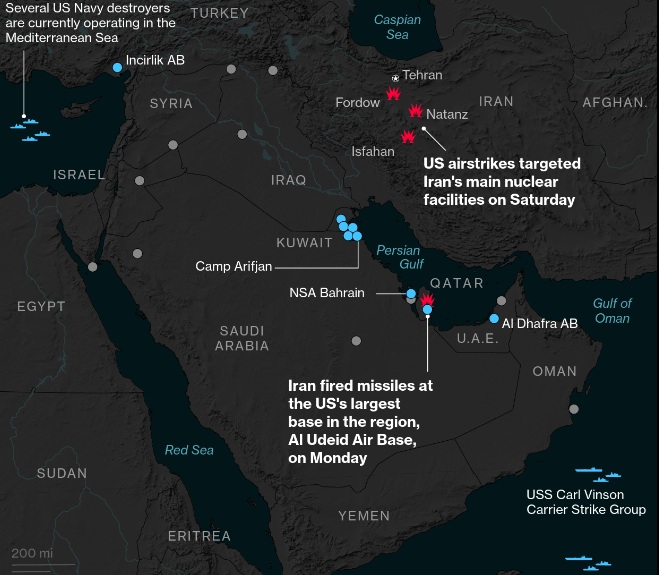
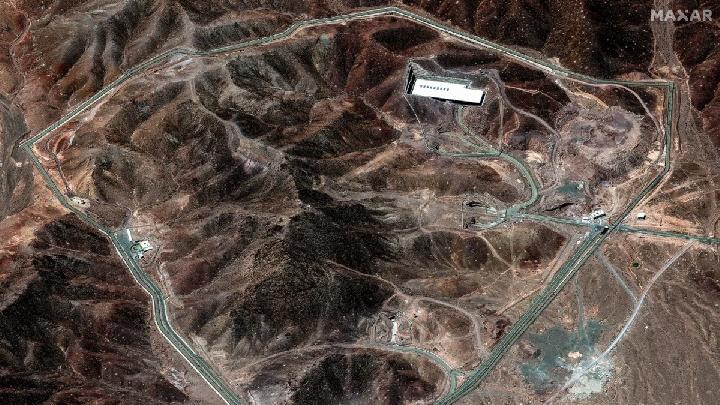
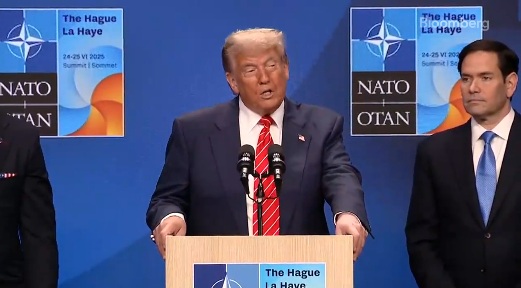
US President Donald Trump announced that the US and Iran will hold talks next week, following a ceasefire between Israel and Iran that entered its second day. In a press conference on the sidelines of the NATO Summit in The Hague, Trump said that the Middle East conflict was "basically over" after US airstrikes destroyed Iran's main nuclear sites such as Natanz, Isfahan, and Fordow. However, he also warned that the conflict could flare up again at any time.
Trump downplayed the need for a new diplomatic agreement on Iran's nuclear program, arguing that the US attack had destroyed the main facility storing nuclear material. This statement is different from the US intelligence assessment that Iran's program has only been set back by a matter of months. On the other hand, Iran through its UN mission stated that it is ready to return to the path of diplomacy and rejects the logic of war. Previously, Trump's special envoy, Steve Witkoff, had led five rounds of talks with Iran before the Israeli attack on June 13.
The situation on the ground is still not entirely clear. Iran has criticized the International Atomic Energy Agency (IAEA) for failing to condemn the military attack on its nuclear facilities. The Iranian parliament has even approved a law to suspend cooperation with the IAEA until security guarantees are made at nuclear sites. Meanwhile, the IAEA has urged that inspections be resumed immediately, given that the whereabouts of its stockpile of 60% enriched uranium are now unknown after the airstrike.
Trump claimed that the US strike had succeeded in "burying" Iran's nuclear material under granite, concrete and steel, thereby reducing the risk of Tehran developing an atomic weapon. However, he was reluctant to reveal the source of the intelligence in detail. Meanwhile, the Iranian Foreign Ministry spokesman acknowledged that there was major damage to the nuclear facilities, but did not provide a technical explanation. Although the war is not really over, the diplomatic signals that have emerged have opened up new hopes for regional stability and the global energy market.
Source: (ayu-newsmaker)