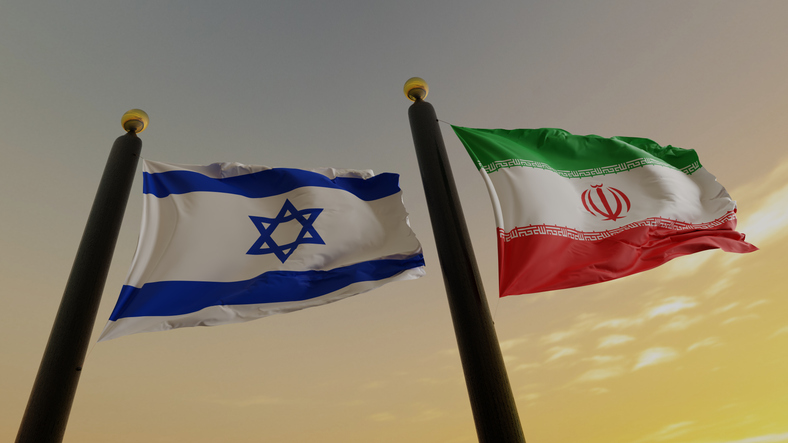
Ceasefire or Continued War?
Iran’s call for a 24-hour ceasefire was released on Monday night, June 23, 2025, Tehran time, hours after US President Donald Trump announced that Israel and Iran had agreed to a “complete and total” ceasefire.
Iranian Foreign Minister Abbas Araghchi said that Iran would stop its missile attacks starting at 04:00 Tehran time (00:30 GMT) on June 24, 2025, on condition that Israel first stops its aggression.
The statement was released via the state-run IRNA news agency and confirmed by several international outlets such as Reuters and The Economic Times. However, Araghchi also stressed that no final agreement has been reached, and Iran’s decision depends entirely on Israel’s response.
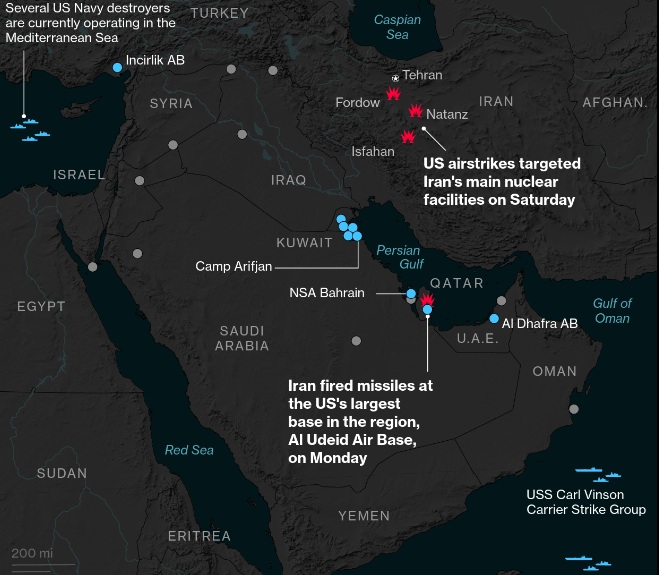
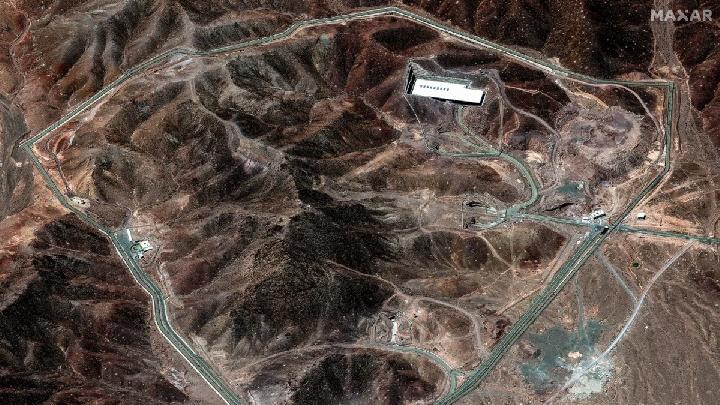
Although US President Donald Trump announced a full ceasefire between Israel and Iran, the two countries do not appear to have actually agreed. The Iranian government through Foreign Minister Abbas Araghchi denied that it had agreed to the agreement. He said Iran would only halt military operations if Israel halted its "illegal aggression" before 4 a.m. Tehran time. Iran's previous missile attacks were described as a limited and symbolic response to the bombing of its nuclear facilities by the US and Israel.
Meanwhile, Israel has not issued an official statement, but local media reports say the government has agreed to a ceasefire as long as Iran stops all attacks. However, the Israeli military has reported a wave of missile attacks, including the latest one that killed three civilians in the city of Beersheba, indicating that the escalation on the ground has not really subsided.
Trump's announcement that the agreement was a "complete and total" ceasefire has now been questioned as to its credibility. Both Iran and Israel appear to have failed to reach a common understanding about the content and duration of the ceasefire. The situation has kept tensions high in the region, even as global markets have responded positively to news of a temporary peace. (ayu)
Source: Newsmaker