US and Iran Hold 'Constructive' First Round of Nuclear Talks
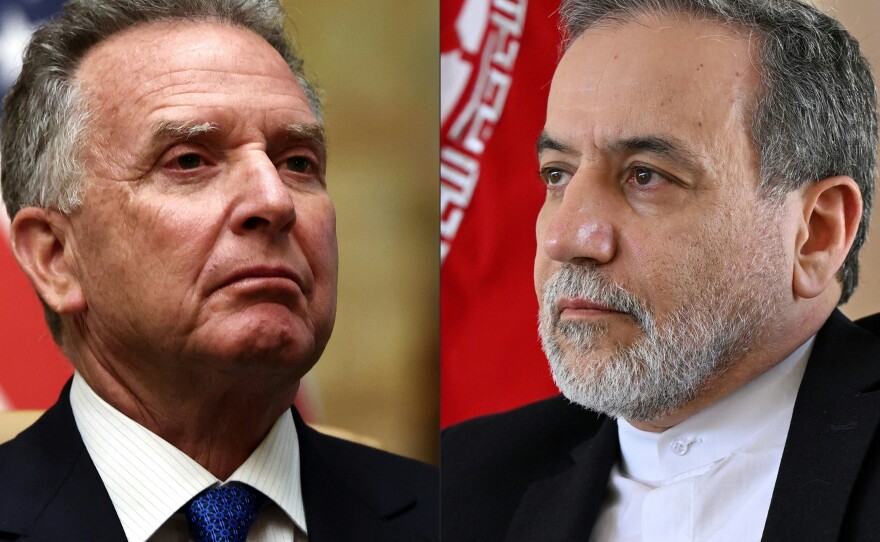
Iran and the US have concluded a first round of talks in Oman over Tehran's nuclear programme - the highest-level meeting between the two nations since 2018.
Both countries described the meeting as "constructive" and confirmed a second round of discussions will take place next week - with the US hailing the "direct communication" as being key to striking a possible deal.
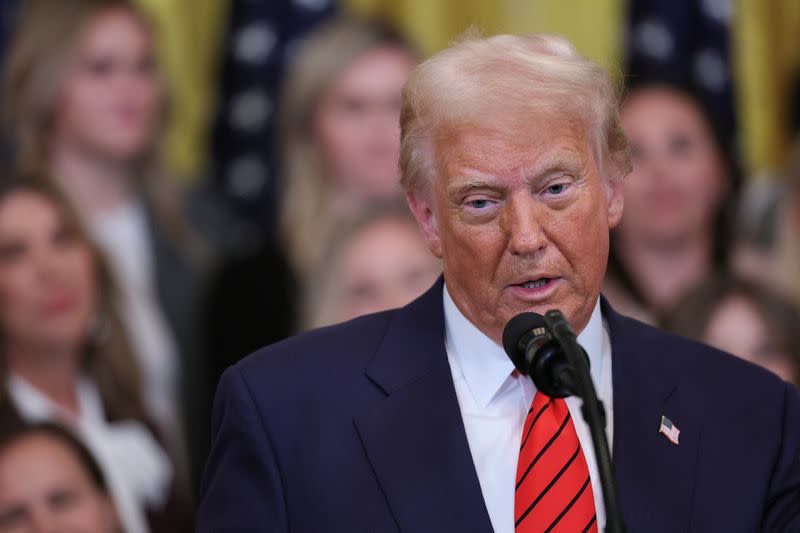
President Donald Trump pulled the US out of a previous nuclear agreement between Iran and world powers in 2018, and has long said he would make a "better" deal.
The talks are seen as an important first step in establishing whether a deal can be done.
At two-and-a-half hours, the first meeting was brief, reportedly respectful - and set the stage for a second round.
That was probably as good as it could get when Iranian and US officials sat down in Muscat, the capital of Oman - whose top diplomat mediated the primarily indirect negotiations.
They were the most significant talks since Trump pulled the US out of the Iran nuclear deal of 2015 during his first term in office.
The verdict of Iran's lead negotiator, Foreign Minister Abbas Araghchi, was positive.
"In my opinion, as the first meeting, it was a constructive meeting held in a very peaceful and respectful environment, because no inappropriate language was used," he told Iranian state TV.
The most important issue at stake is what kind of deal each side would be willing to accept.
Trump sent a letter to Iran's supreme leader via the United Arab Emirates last month, saying he wanted a deal to prevent Iran from acquiring nuclear weapons and to avert possible military strikes by the US and Israel.
Iran hopes for a deal to limit, but not dismantle, its nuclear programme in exchange for sanctions relief.
An unnamed source in Oman told news agency Reuters that the talks would seek to de-escalate regional tensions and secure prisoner exchanges.
The US president told reporters in the Oval Office on Monday it would "be a very bad day for Iran" if the talks were unsuccessful.
Iran insists its nuclear activities are entirely peaceful and that it will never seek to develop or acquire nuclear weapons.
However, since Trump pulled out of the 2015 agreement - which expires later this year - Iran has increasingly breached restrictions imposed by the existing nuclear deal in retaliation for crippling US sanctions reinstated seven years ago, and has stockpiled enough highly-enriched uranium to make several bombs.
Under the terms of the 2015 deal, Iran agreed to only enrich uranium up to 3.67% purity for the next 15 years.
In February, the International Atomic Energy Agency (IAEA) nuclear watchdog reported that Tehran had stockpiled uranium enriched to 60% purity and could swiftly move to 90%, which would be weapons-grade.
The 2015 nuclear deal took nearly two years of intensive negotiations. At the start of this new effort to reach an agreement, Iran's programme is far more developed and complex, and the wider region is far more volatile.
Source : BBC