Iran Missiles Reportedly Hit Ships in Hormuz, Oil Prices Edge Higher
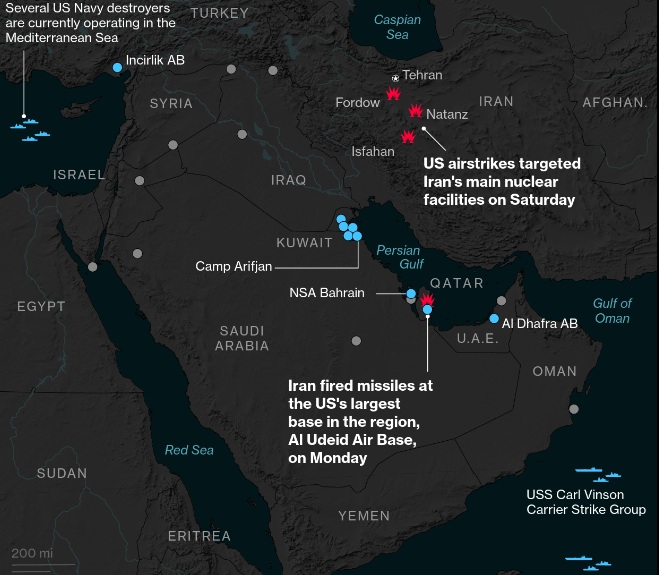
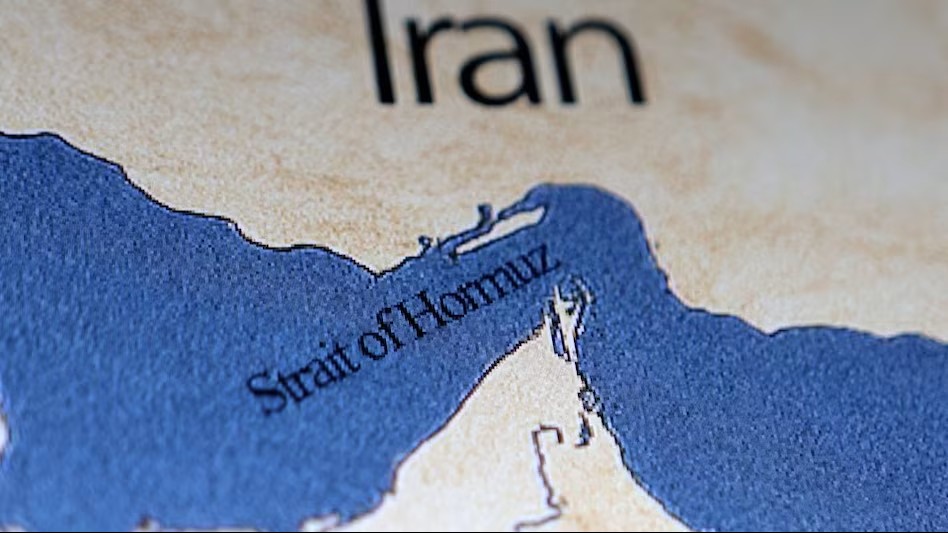
Tensions in the Strait of Hormuz escalated again after Iran reportedly fired at least two missiles at commercial ships passing through the strategic waterway on Monday night. The incident has become a fresh test for the temporary agreement between the United States and Iran, which was aimed at halting attacks while both sides work toward a broader peace deal.
According to an Axios report citing a US official, both vessels suffered significant damage, although no casualties were reported. The United Kingdom Maritime Trade Operations center also said it received a report of a tanker being struck by an unknown projectile about 8 nautical miles, or 15 kilometers, east of Limah, Oman.
The report quickly affected global energy sentiment. Brent crude rose around 0.4 percent to about US$72.25 per barrel after the news emerged. The move highlighted how sensitive oil markets remain to any disruption in the Strait of Hormuz, one of the world’s most important energy shipping routes.
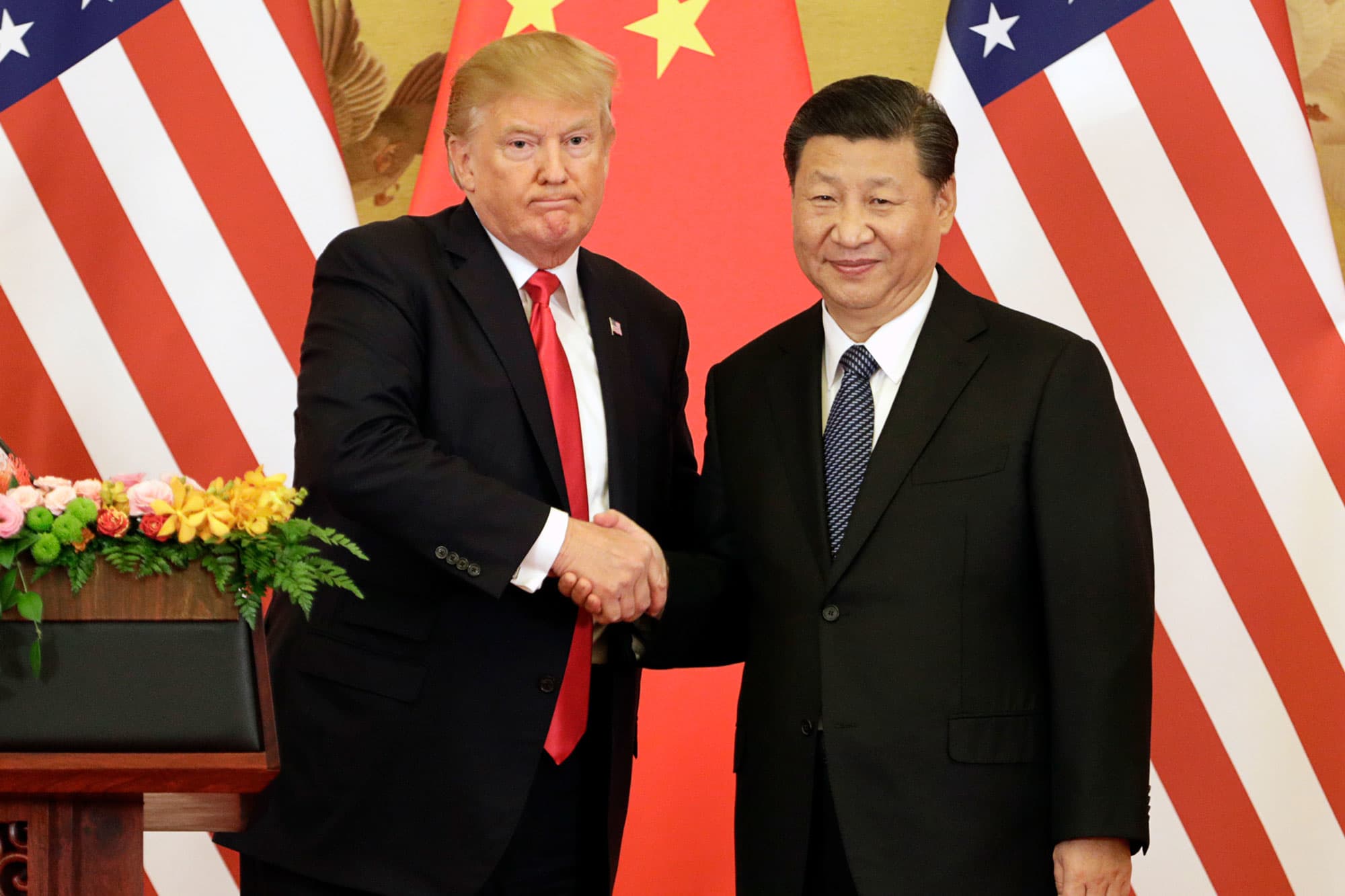
The reported attack came as US President Donald Trump was preparing to attend a NATO leaders’ summit in Ankara, Turkey. The US conflict with Iran is expected to become one of the key topics of discussion, especially after Trump previously expressed frustration with several NATO members for not doing more to support Washington against Tehran.
Meanwhile, talks between the United States and Iran remain under pressure. Negotiations were suspended after Iran began a mass funeral for the late Supreme Leader Ali Khamenei, who was reportedly assassinated on the first day of the conflict in late February. Qatar said the next meeting would be scheduled as soon as possible after the funeral ceremonies.
The interim peace deal reached last month created a 60-day negotiation window between Washington and Tehran. However, turning the temporary agreement into a lasting peace remains difficult. Several major issues are still unresolved, including the unfreezing of Iranian assets, transit fees through the Strait of Hormuz, and Iran’s nuclear ambitions.
From a market perspective, the incident reminded investors that geopolitical risks in the Middle East have not fully disappeared. If tensions continue and disrupt global energy flows, oil prices could rise further. This may also revive inflation concerns and support demand for safe-haven assets such as gold.
Source : Newsmaker.id