US-Iran Deal Tested, Hormuz and Lebanon a Vulnerable Point
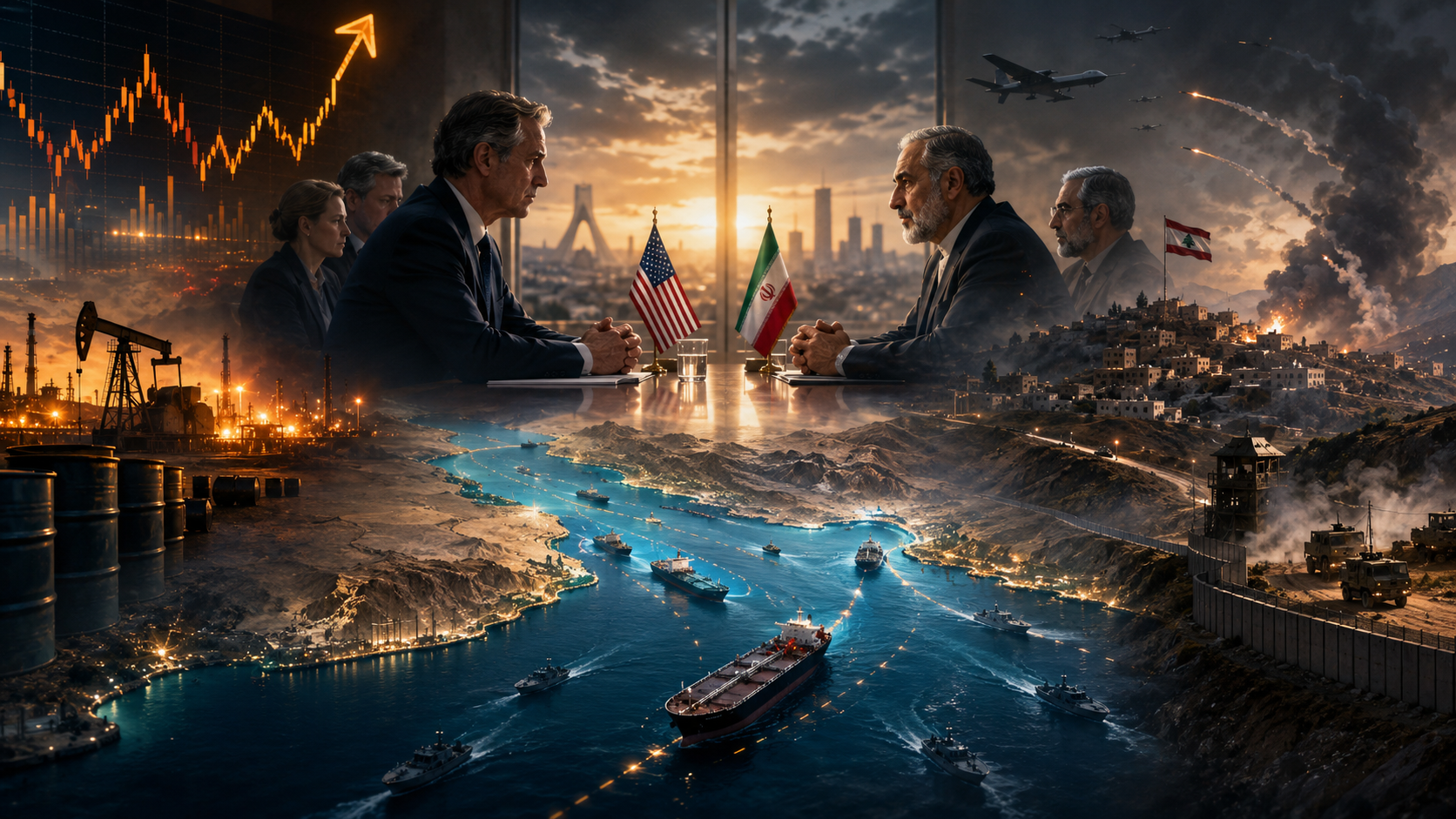
US President Donald Trump's efforts to reach a peace agreement with Iran still face a difficult road. Although high-level talks in Switzerland are said to be making progress, global markets remain cautious as several major issues remain unresolved. Iran's nuclear program, tensions between Israel and Hezbollah in Lebanon, and Tehran's control of the Strait of Hormuz remain key factors that could derail the diplomatic process.
Mediators from Qatar and Pakistan stated that the United States and Iran have agreed on a roadmap to a final agreement within the next 60 days. Technical talks are also scheduled to continue this week to discuss the details of the agreement. However, this optimism has not been enough to allay market concerns, especially after Trump renewed his threat to attack Iran if Tehran's proxy groups in Lebanon continue to incite tensions against Israel.
The Strait of Hormuz issue has become a major sticking point in the negotiations. This waterway is one of the world's most important energy routes, so any disruption could immediately shake oil prices and global market sentiment. Iran previously announced the closure of the waterway in response to Israeli attacks in Lebanon. Although the United States claims shipping traffic is still operating, the number of vessels passing through has reportedly decreased sharply as shipping operators, insurance companies, and energy market players are adopting greater caution.
On the other hand, Trump's bargaining position is considered less strong than before. After months of war and Iran's continued stability in its government, US military pressure is seen as no longer having as strong an impact as before. Trump is also facing criticism from conservative groups at home who believe his administration has made too many concessions to Iran in order to end the war and maintain stable energy prices.
For global markets, this development is of significant concern because it is directly related to oil prices, inflation, the US dollar, stocks, and even safe-haven assets like gold. If the technical talks proceed smoothly, pressure on energy prices could potentially ease. However, if the conflict in Lebanon escalates or Iran tightens access to the Strait of Hormuz, the risk of a spike in oil prices remains, potentially depressing the global economic outlook. (arl)
Source: Newsmaker.id