Iran vs. US: Markets Enter Alert Mode!
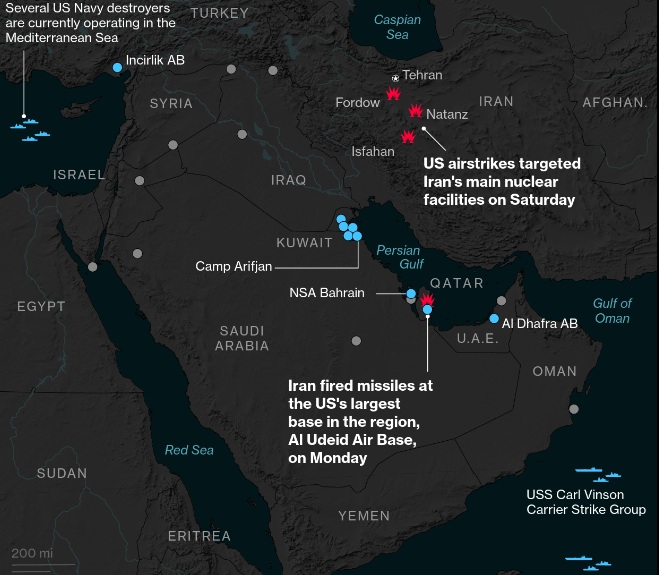
Reports over the past week have indicated that Iran has launched missiles and drones toward areas associated with the United States military presence in the Gulf region, particularly around countries like Kuwait and Bahrain. In some versions of the reports, the targets were linked to bases or facilities housing US troops, sparking market concerns that tensions could escalate.
However, the picture on the ground is not as simple as "a US base was hit and heavily damaged." Many reports emphasize that the attacks were more of attempted attacks, most of which were intercepted by US and local air defense systems. This means that the incidents remain serious geopolitically, but the confirmed direct physical impact tends to be limited in the initial narrative.
This situation occurs amidst an already fragile regional conflict, particularly as the US-Iran war is also closely linked to the Israel-Hezbollah dynamic and the issue of freedom of navigation in the Strait of Hormuz. When cross-border exchanges of fire occur, markets typically immediately perceive increased spillover risks, whether to shipping lanes, energy installations, or political stability in the region.
On the other hand, the US has also reportedly taken "self-defense" measures and continued interceptions around flashpoints, reinforcing the perception that both sides are in a response-counterattack pattern. For investors, this is important because such patterns often complicate negotiations and prolong uncertainty—not only about war, but also about when energy and trade flows will truly return to normal.
Because information evolves quickly and often originates from different military or media statements, markets tend to be headline-driven. Investors typically wait for two confirmations before lowering their risk premium: whether the incident has subsided (not repeated), and whether there has been verifiable diplomatic progress. Without these, volatility tends to persist.
Market Impact: Incidents like these typically support oil through a supply risk premium (especially if there are concerns about disruptions to Hormuz or alternative routes), strengthen the dollar due to increased safe-haven demand, and provide support to gold as a hedge against uncertainty. However, gold could remain resilient if the dollar and US yields also rise, as high interest rates typically reduce the attractiveness of non-yielding assets like gold. (asd)
Source: Newsmaker.id