Trump: Iran Wants a Deal, Markets Digest Conflict Risks and Negotiation Direction
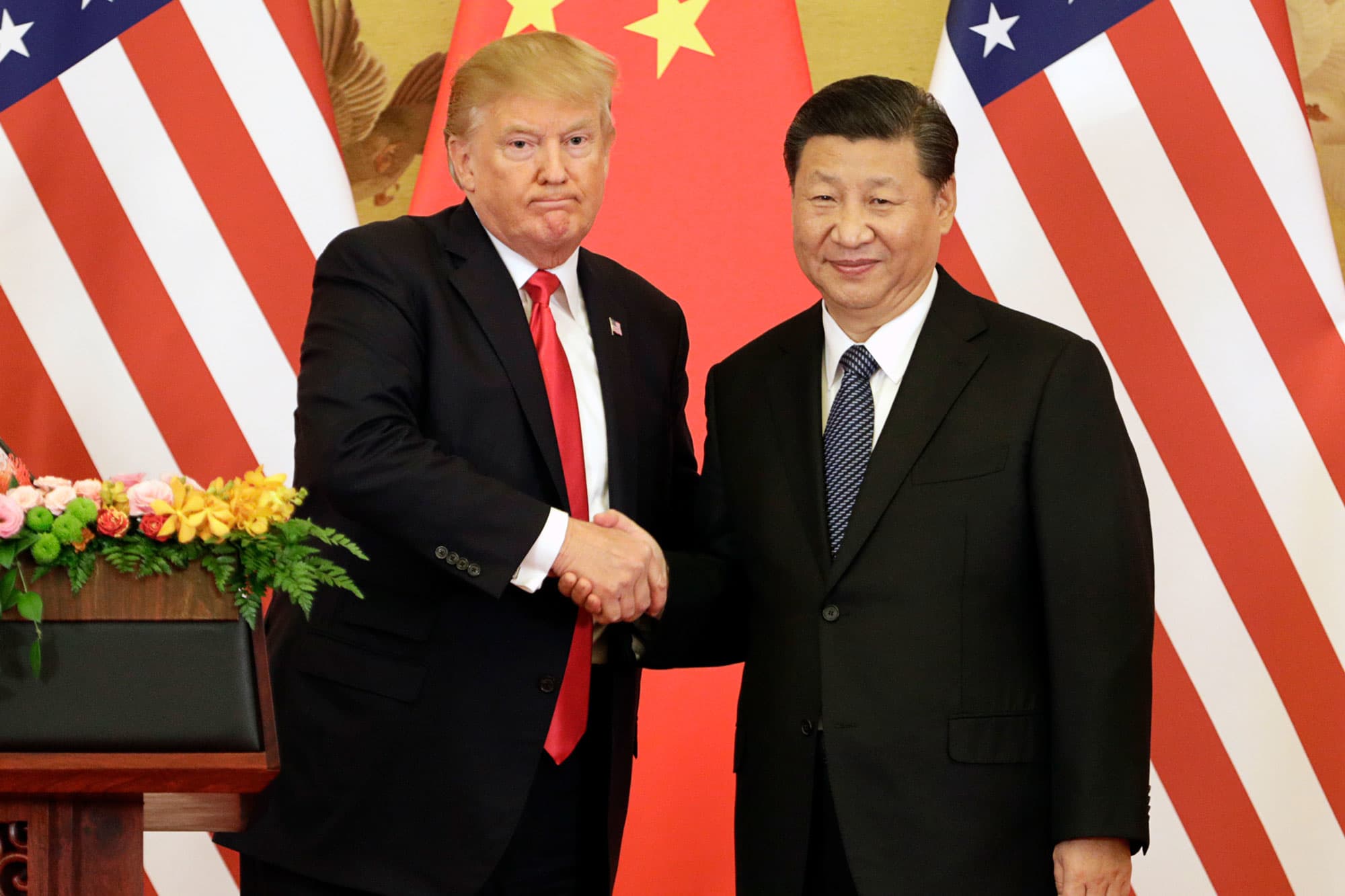
US President Donald Trump said Iran "really wants to make a deal" and said the outcome would benefit the United States and its allies. The statement was made in a post on Truth Social, amidst markets still sensitive to the direction of negotiations and the latest developments in the conflict.
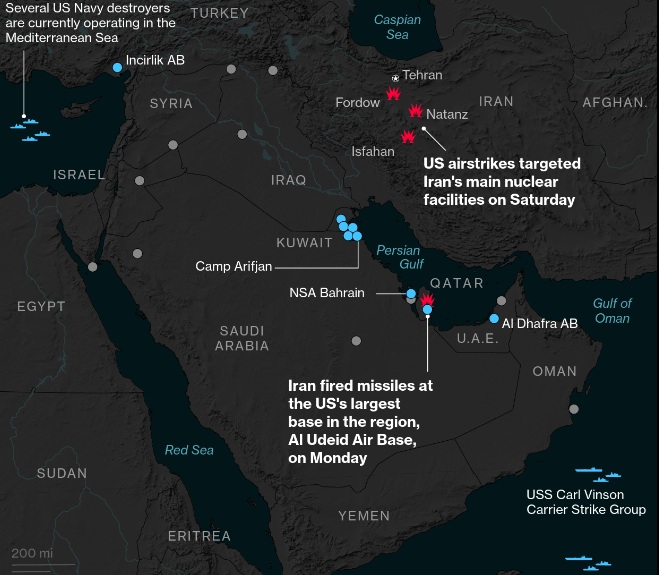
Trump's comments came after US Central Command (Centcom) announced it had carried out strikes on Iranian targets over the weekend. This combination of military operations and political messaging has the market focused on two issues: whether the escalation will continue, or whether it will encourage an accelerated diplomatic path.
In his post, Trump argued that domestic political pressure is making the negotiation process more difficult. He criticized those he said continue to "fuel" the narrative, encouraging him to move faster or slower, to the point of pushing for war or otherwise, and urged the public to "sit tight" because everything will end well.
Financial markets interpreted statements like this as a signal that talks are still ongoing, but not yet finalized. As long as there is uncertainty, volatility tends to persist as market participants assess the probability of different scenarios, ranging from reaching an agreement, extending the ceasefire, to the risk of a new round of escalation.
In the oil market, the price of West Texas Intermediate (WTI) rose 1.85% to US$88.45 at the time of this report's writing. This increase reflects the reintroduction of the geopolitical risk premium, as concerns about energy supply disruptions and distribution channels remain key factors directly influencing prices.
Impact on gold, the dollar, and oil: Oil tends to find support as long as conflict uncertainty and the risk of supply disruptions remain high, while any sign of a credible agreement typically suppresses the oil risk premium. For the US dollar, rising geopolitical uncertainty often drives demand for defensive assets, keeping the dollar firm. Gold is in a "tug-of-war": the risk of war maintains demand for hedging, but if rising oil prices fuel inflation concerns and push interest rate expectations higher (which strengthens the dollar and yields), gold's upside could be constrained despite the persistence of safe-haven sentiment. (asd)
Source: Newsmaker.id