US-Iran Exchange Drafts, Israel Expands Ground Operation in Lebanon
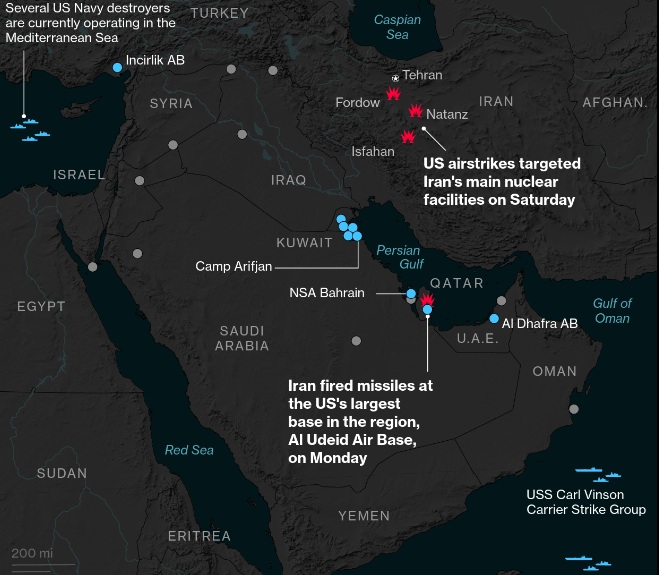
The United States and Iran exchanged messages over the weekend proposing changes to a draft deal aimed at extending the ceasefire and reopening the Strait of Hormuz. However, the direction of the talks remains unclear, with no strong signs that either side is close to a breakthrough.
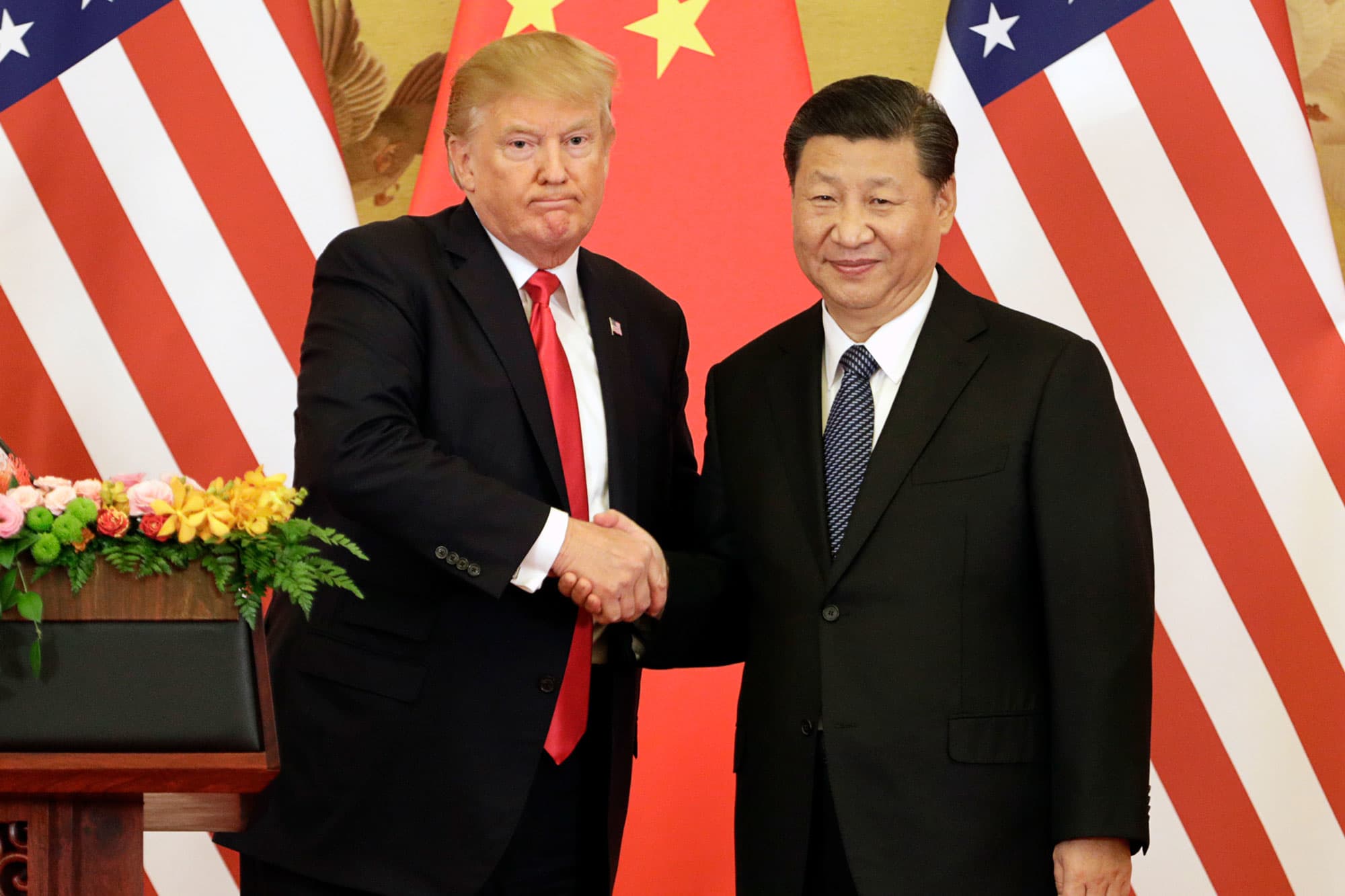
President Donald Trump said the draft deal he is pushing affirms that “Iran will not acquire a nuclear weapon.” He reiterated his demands for Iran to halt its nuclear program and restore the Strait of Hormuz to its former status as an open international shipping lane. Iranian Foreign Minister Abbas Araghchi described the talks as ongoing and stressed that until a definitive outcome is reached, any assessment remains speculative.
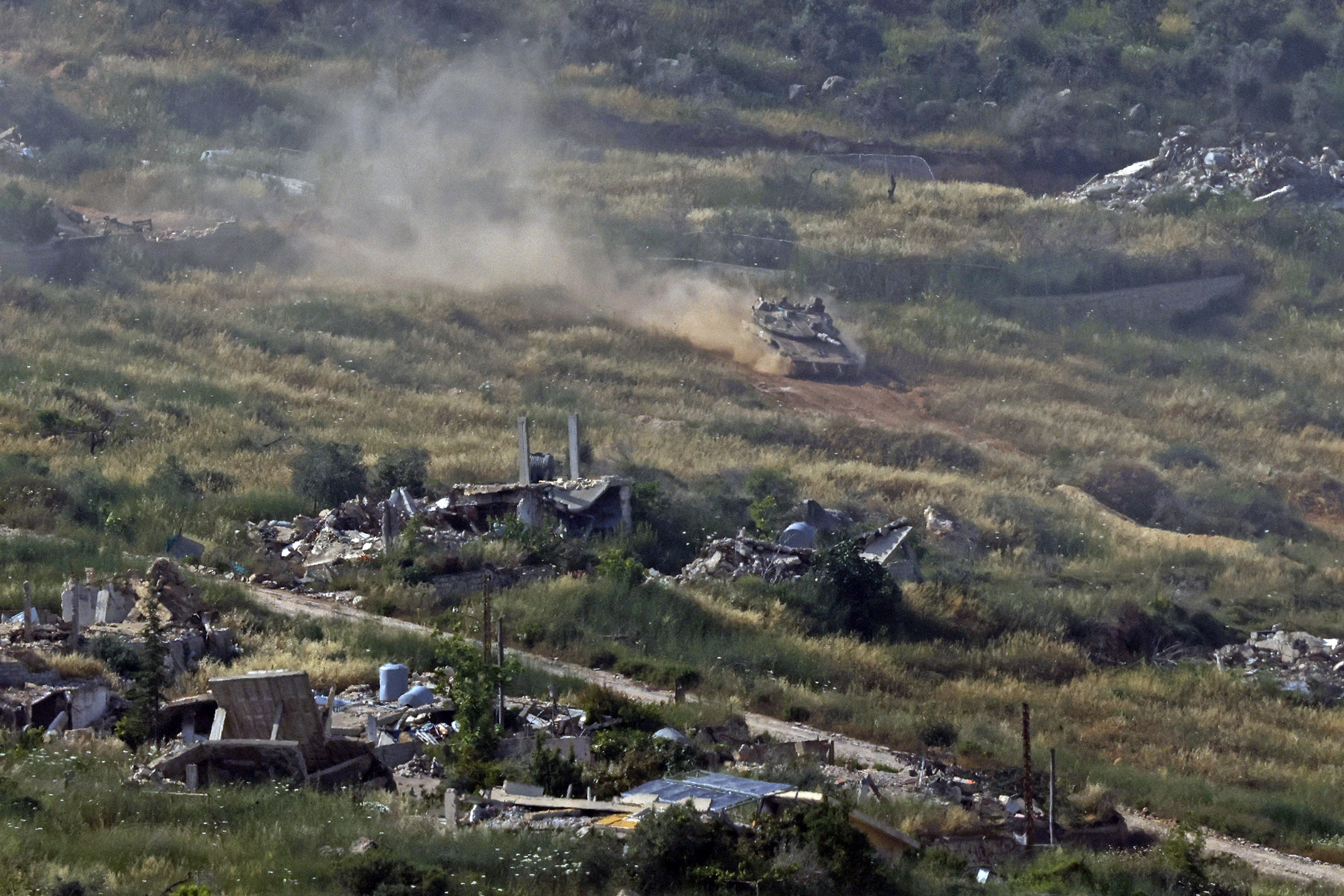
While diplomacy continues, military escalation in the region continues to escalate. Israel expanded its ground offensive in Lebanon, breaking a fragile ceasefire on the northern border, as Hezbollah stepped up attacks on northern Israel. The Israeli military said more than 300 “projectiles” were fired by Hezbollah over the weekend at its forces in Lebanon and northern Israel, adding to uncertainty about whether tensions will ease even if the war with Iran ends.
On the negotiating side, Iranian state media reported a new draft that supposedly gives Iran “exclusive authority” to determine the character of ships passing through the Strait of Hormuz, a point the US is expected to find difficult to accept. The report also stated that the draft commits Iran to access US$12 billion in frozen funds within 60 days, transferred to Iranian banks without restrictions, although the document was described as “unofficial” and not yet final. Tasnim reported that both sides are still proposing amendments, but did not rule out the possibility of the changes being rejected and the deal collapsing.
Market Impact: Oil, Dollar, and Gold
The Hormuz uncertainty and the escalation in Lebanon tend to keep the energy risk premium high, making oil potentially sensitive to any developments in the negotiations or security news. Rising oil prices typically amplify energy-based inflation concerns, which can lift yields and support the dollar as a defensive asset. For gold, the effects are multi-faceted: geopolitical risks typically support hedging demand, but if the market perceives a surge in oil as driving inflation and reinforcing expectations of higher interest rates, this could curb gold's gains as financial conditions tighten. Key variables being monitored are the status of the Strait of Hormuz's opening, the direction of amendments to the US-Iran deal, and the scale of the Israel-Hezbollah escalation. (asd)
Source: Newsmaker.id