Deadlock in Hormuz Raises Fresh War Concerns
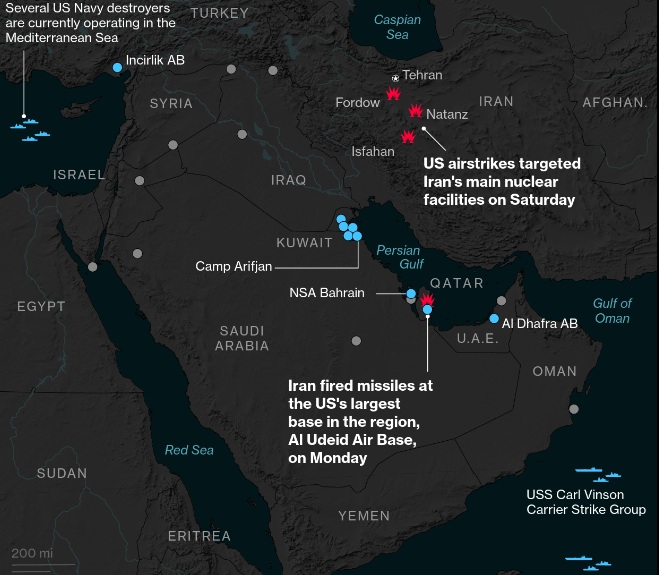
Three months after the United States and Israel launched attacks on Iran, the confrontation has entered a dangerous deadlock. Washington’s blockade of Iranian ports and Tehran’s control over the Strait of Hormuz have created a standoff with no clear exit, while the risk of renewed war continues to grow. Policymakers are increasingly concerned not about whether a deal is near, but how long tensions can persist before a miscalculation triggers fresh conflict.
Diplomatic efforts mediated by Pakistan have so far failed to produce a breakthrough. The United States is demanding that Iran halt uranium enrichment for an extended period and transfer its nuclear stockpiles abroad. Iran, in turn, is calling for an end to strikes, the lifting of the U.S. blockade, war reparations, and recognition of its sovereignty over the Strait of Hormuz. Both sides believe time is on their side, making compromise increasingly difficult.
President Donald Trump has warned that “the clock is ticking” for Tehran and threatened severe consequences if no agreement is reached. However, Iranian officials insist that their nuclear program, missile capabilities, and control over Hormuz are strategic pillars that cannot be surrendered. For Tehran, relinquishing these assets would amount to capitulation.
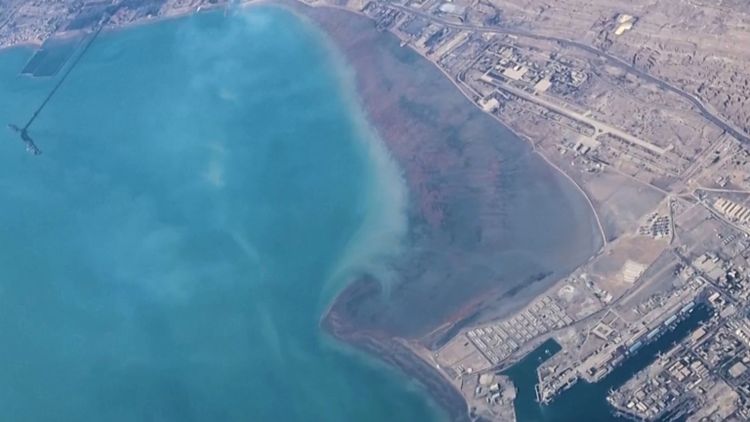
Behind the defiant rhetoric, economic pressure on Iran is mounting, with rising inflation and industrial strain weighing heavily on the economy. Yet analysts argue that further military escalation is unlikely to deliver a decisive strategic victory. With the Strait of Hormuz—through which roughly a fifth of global oil trade passes—still under strain, the global economic impact is intensifying.
Many observers conclude that negotiations remain the only viable path forward. Without meaningful concessions from both sides, the current stalemate risks evolving into a broader and more costly conflict, threatening regional stability and the global economy.
Source: Newsmaker.id