Araghchi to Oman to Discuss Hormuz Security and Ending the Conflict
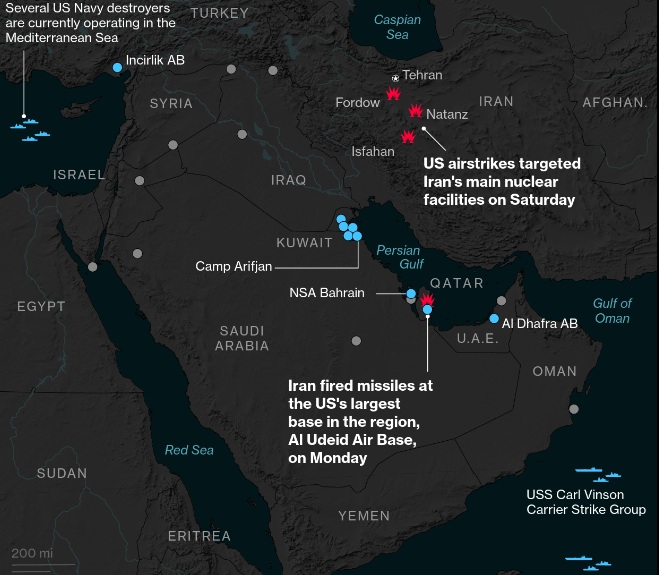
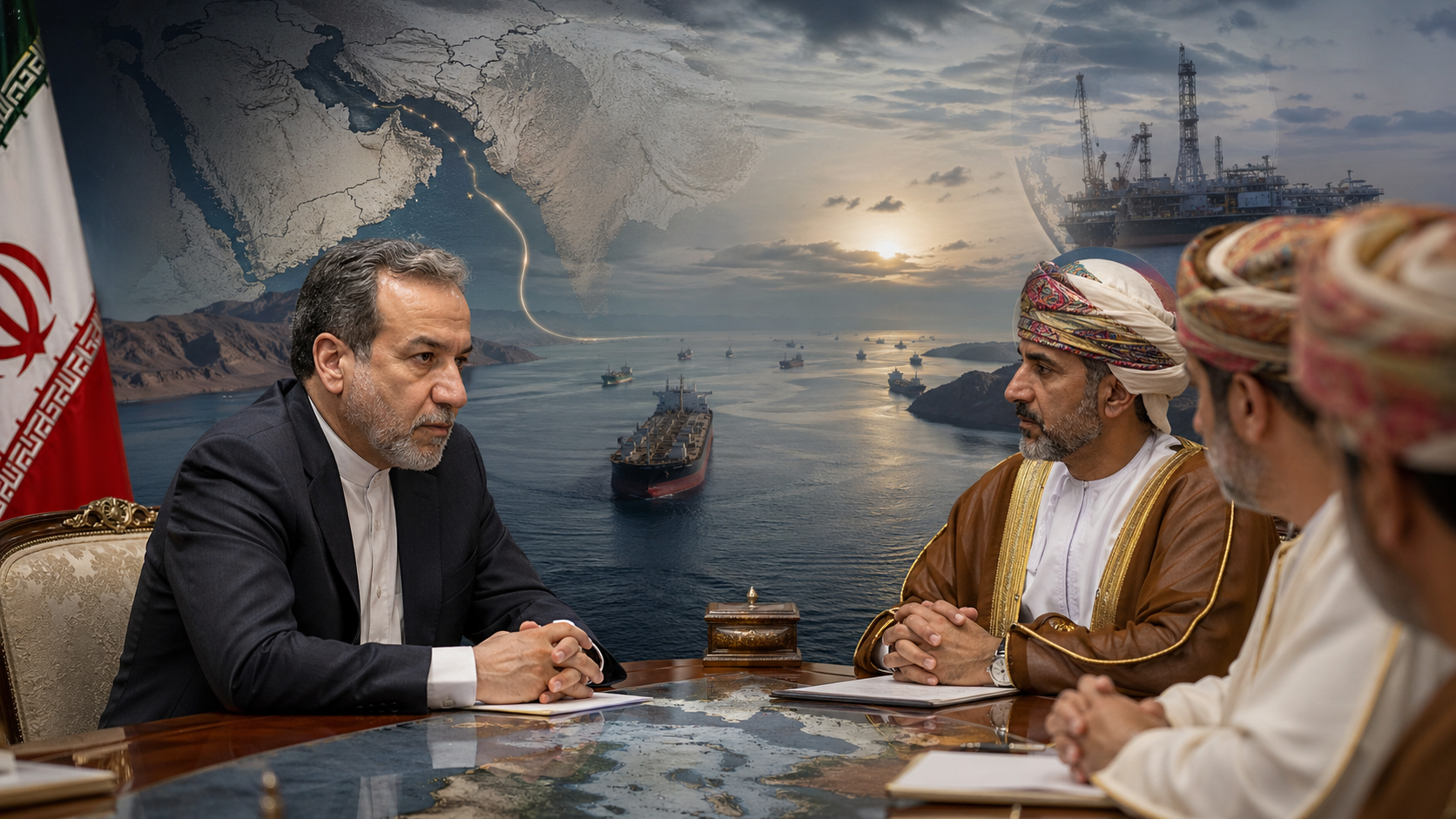
Iranian Foreign Minister Abbas Araghchi held talks in Oman on Sunday, with the agenda covering the security of the Strait of Hormuz and the wider Gulf, as well as diplomatic efforts to end the Iran-United States conflict, according to a Reuters report. This move comes as markets remain sensitive to any signals concerning the smooth flow of the world's main energy routes.
In his statement, Araghchi argued that the US military presence in the Middle East is fueling insecurity and division. He called for a regional security framework built without external interference, emphasizing that regional countries need to establish collective security mechanisms without US intervention.
The talks with Oman have brought Hormuz back to the forefront, as the strait is a critical chokepoint for oil and gas flows from the Persian Gulf. Any perceived change in control, shipping rules, or security of this route is typically quickly translated by the market into a shift in energy risk premiums.
From a diplomatic perspective, this meeting signals that the lines of communication remain open, although no concrete details have been provided on the format, timetable, or parameters that would form the basis for any de-escalation. For investors, the most relevant issue is whether diplomatic measures can lead to improved shipping security and operational certainty in Gulf waters.
The initial reaction of the oil market indicates that this sensitivity remains high. At the time of this report, WTI was up around 1.25% to $94.30 per barrel, indicating that the market still views supply risks and shipping lane security as dominant factors in price formation.
Going forward, the impact across assets is likely to depend on the direction of diplomacy and security signals in Hormuz: if talks result in credible de-escalation measures and clarify shipping security, oil could potentially shed some of its risk premium, and the dollar could lose its safe-haven support. However, if uncertainty persists, oil is likely to remain volatile, biased towards supply risks, the dollar could hold firm, while gold will move in a tug-of-war between geopolitical hedging demand and pressure from the dollar and interest rate expectations influenced by energy inflation. (asd)
Source: Newsmaker.id