Hormuz Remains Heated, Iran-US Talks Continue
Iran is preparing to begin high-stakes talks with the United States in Islamabad, amid a fragile two-week ceasefire and still overshadowed by tensions in the Strait of Hormuz and ongoing fighting in Lebanon. The Pakistan-brokered pause has opened a narrowing diplomatic window, but key conditions remain unresolved on both sides, and the scope of the truce remains disputed.
An Iranian delegation is scheduled to arrive in Islamabad Thursday evening (April 9). These talks are expected to be the first direct talks since the conflict erupted in late February. On the US side, the White House stated that Vice President J.D. Vance will lead the negotiating team, accompanied by senior advisers Jared Kushner and Steve Witkoff, with the first formal round projected to begin Saturday morning. Pakistan has also condemned the latest Israeli offensive in Lebanon, deeming it a threat to regional stability; several European countries have also voiced objections.
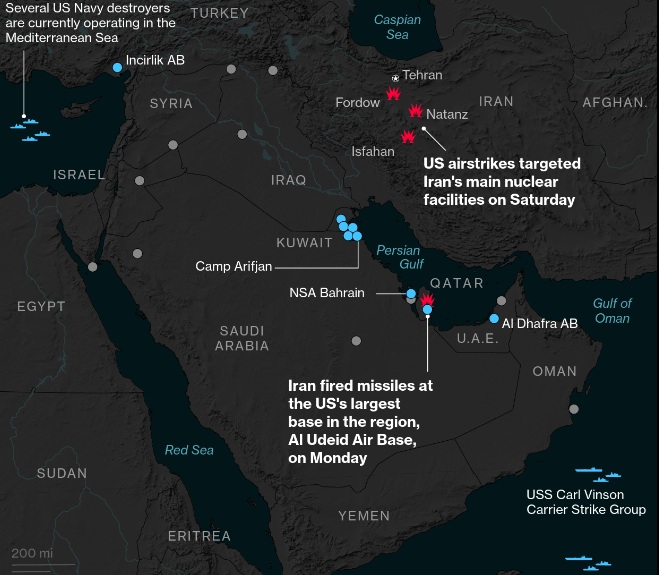
On the ground, Hormuz remains a key point of pressure. Iran has stated that shipping will only return to normal under strict conditions and demands an end to what it calls US “aggression” and an end to Israeli operations in Lebanon. The Iranian navy requested that commercial vessels coordinate with the IRGC and follow specific routes, while shipping data showed only a few actively tracked vessels passing through on the first day of the ceasefire, far below normal levels; some of the flow was said to be from the "dark fleet." This uncertainty led the market to believe that supply recovery could be slower than initially expected, even though the ceasefire had sparked risk-on optimism.
Lebanon was the biggest disruptor. Israel insisted that operations against Hezbollah were not included in the deal, contradicting expectations of some mediators that regional violence would subside. Lebanese authorities reported a single day of heavy casualties, undermining the credibility of the ceasefire and giving Iran reason to link the position of Hormuz to Lebanese dynamics. In the US, Trump said troops would remain deployed around Iran until a "real agreement" was reached and reiterated demands for "an open and secure Hormuz" and "no nuclear weapons," while threatening escalation if the deal failed.
For the market, the next focus will be the outcome of the talks in Islamabad, clarity on the mechanism for opening Hormuz, and whether the Lebanese conflict can be de-escalated enough to keep the ceasefire alive. Key variables being monitored include actual ship flows in Hormuz, indications of changes in crossing rules/costs, the intensity of Israeli-Hezbollah attacks, and signals of nuclear concessions from Tehran, which are at the heart of Washington's demands.
Source: Newsmaker.id