Pakistani Mediation Enters Critical Phase, Markets Wary of Trump Deadline
Pakistan's mediation efforts to de-escalate the Iran conflict are said to be approaching a "critical and sensitive" stage ahead of US President Donald Trump's Tuesday evening deadline for Tehran to accept a ceasefire agreement. The statement was made by Iran's Ambassador to Pakistan, Reza Amiri Moghadam, who simply wrote "stay tuned" without elaborating on the progress of the talks.
Trump had previously stated that he would target "every bridge" and "every power plant" in Iran if a deal was not reached by 8:00 p.m. ET Tuesday, and required the reopening of the Strait of Hormuz. The effective closure of the waterway to tanker traffic has lifted oil prices and raised inflation concerns, with oil hitting $110 per barrel again on Tuesday, well above its pre-war range of around $70 per barrel. The Strait of Hormuz normally passes through about a fifth of the world's oil supply, so any prolonged disruption could potentially depress global growth through energy costs.
Beneath the tough rhetoric, Trump also hinted that a diplomatic solution was still possible. Media reports suggested Washington could delay military action if there were signs a deal was near. Axios, citing US officials, said Trump remains open to any deal that emerges from the talks, although it remains unclear whether Iran is prepared to make the necessary concessions.
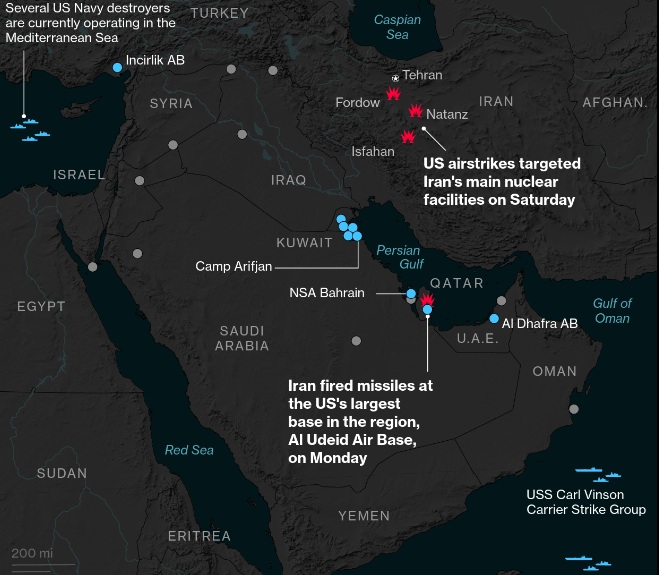
The conflict itself continues to escalate in the region, including attacks on energy infrastructure in Gulf states and Israeli operations against the Iranian-affiliated Hezbollah group in Lebanon. Iran and Israel also reportedly exchanged attacks on Tuesday, while the Wall Street Journal quoted officials as saying the US military is preparing options for attacks on energy targets in Iran.
Tehran previously rejected a mediator's proposal for a 45-day pause in exchange for opening Hormuz, and Iranian state media reported that the country presented a 10-point plan to Washington that is unlikely to meet Trump's demands. Markets are now monitoring whether the mediation results in an extension, a compromise on Hormuz, or a potential escalation that increases energy risk premiums and intensifies inflationary pressures.
Source: Newsmaker.id