Iran Oil Control Talks Emerge, Markets Wary of Escalation
US President Donald Trump has again floated the idea of taking over Iran's oil sector, with one consideration being discussed within his circle: expanding US energy dominance to increase bargaining power against China. Trump presented the idea at the White House on Monday, while acknowledging the risks of deepening US involvement in the Middle East.
In his statement, Trump said he wanted to "take Iran's oil" and hold on to it, but also touched on domestic political sensitivities as the American public wants an end to the war. Circulating materials link the idea to maximizing US influence over global oil flows amid the Iran war and energy market disruptions.
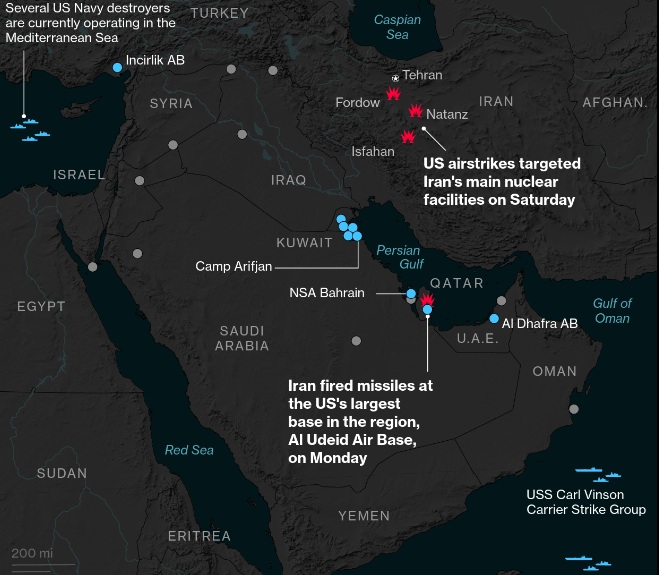
People familiar with the discussions believe Trump views potential control of Iran's energy flows as an additional lever in his relationship with Chinese President Xi Jinping, at a time when China is a major oil importer. Within this framework, supply restrictions resulting from the war and the disruption of flows through the Strait of Hormuz are seen as reducing Beijing's maneuverability.
However, the long-term plan to control Iran's energy sector is seen as a massive, costly operation that risks raising international legal issues. A White House official also reportedly cautioned that there are no formal plans yet, and the idea is not part of the current agenda.
From a broader geopolitical perspective, Beijing's reading does not always align with Washington's. In the same narrative, China is said to have prepared a cushion through reserves, increased domestic production, and renewable energy development, thus having the capacity to withstand energy price pressures for a longer period, although it will still be impacted if prices remain high.
Looking ahead, the discourse of "taking the oil" is likely to increase risk premiums and prolong policy uncertainty. For oil, rhetoric pointing to coercive control of energy assets could keep volatility high as long as the Hormuz issue and escalation persist. For gold, increased geopolitical risk and policy uncertainty typically support hedging demand, but upside room could be limited if US interest rate expectations remain high due to energy inflation. For the dollar, safe-haven flows have the potential to continue supporting near-term gains, especially as global markets reduce risk exposure.
5 Key Points:
- Trump raised the idea of taking control of Iran's oil and linked it to economic/political benefits for the US.
- In his discussions, control of Iran's energy is seen as increasing US leverage against China.
- The effective closure/disruption of Hormuz in the war increases supply pressure and heightens energy price sensitivity.
- The operation to seize control of Iran's energy sector is considered very large and risks raising legal questions and domestic political costs.
- A White House official stated that there are no formal plans and the idea is not part of the current program. (asd)
Source: Newsmaker.id