US Allies Prepare Plan B for Hormuz if Trump Walks Away
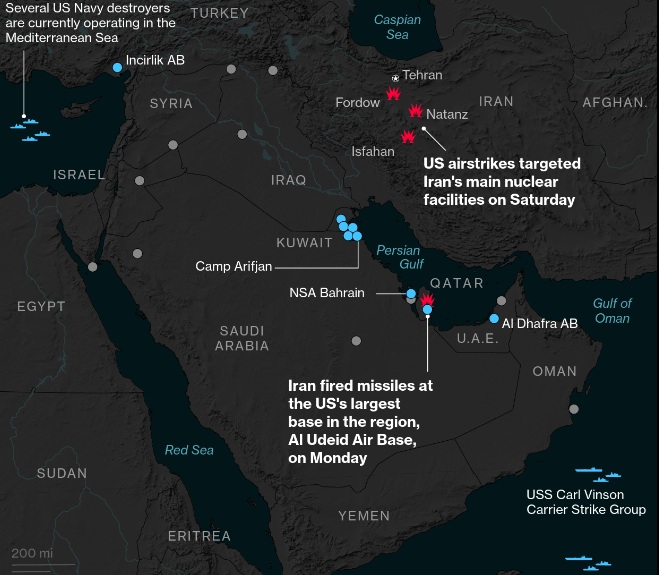
More than 40 U.S. allies held a virtual meeting on Thursday to discuss contingency plans to reopen the Strait of Hormuz, underscoring broad international concern over the waterway crisis triggered by Washington’s war with Iran. The talks were also seen as a signal to President Donald Trump amid fears the U.S. could wind down its operation without a clear pathway to restore transit through the strategic chokepoint.
The UK convened countries from Europe, the Middle East and Asia, along with Australia and Canada, to weigh diplomatic outreach to Tehran and potential sanctions if Iran does not agree to unblock the critical shipping lane for global energy supplies.
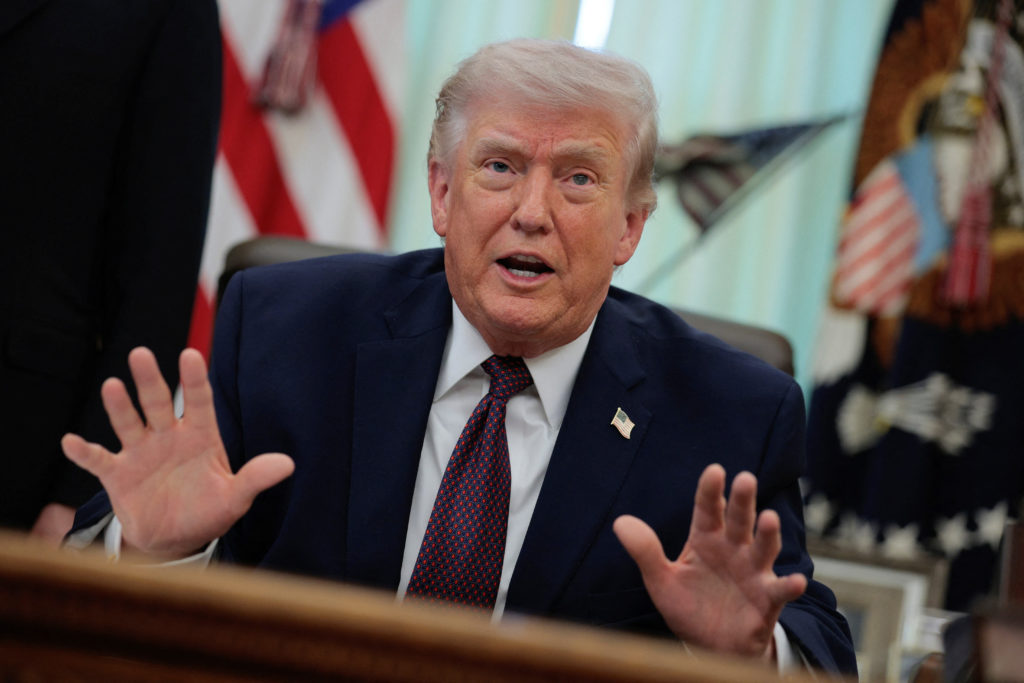
The meeting appeared aimed at demonstrating a shared position among dozens of American partners that the U.S. should not step away from the conflict without securing a solution for Hormuz, something Trump has repeatedly threatened. Participants voiced concern that Washington could end its campaign in Iran without a plan to reopen the strait, leaving allies to manage the economic and security fallout.
People familiar with the discussions said the international community was clear that any ceasefire track with Iran needs to include a Hormuz solution. At the same time, the talks highlighted that the coalition is beginning to prepare for a scenario in which the strait must be reopened without U.S. involvement.
Trump has sharply criticized NATO members for what he describes as an unwillingness to deploy their own forces to the waterway, at times threatening to leave the alliance. In that context, Thursday’s meeting also served as an effort by Britain, France and other European states — recently targeted by Trump’s criticism — to signal readiness to contribute to a Hormuz outcome.
Military planners from the coalition are set to meet next week to discuss how naval assets could be deployed to help police and de-mine the strait once fighting stops. Still, most participants have little appetite for reopening the waterway by force, arguing the crisis is unlikely to be resolved without Iranian agreement.
Attendees also viewed the United Nations as an important channel for diplomatic efforts to press Iran, including coordination with Gulf partners to restore freedom of navigation.
The group discussed concerns that any Iranian attempt to introduce a toll regime would set an unhelpful precedent, with broad support for free passage through the strait. Economic measures, including sanctions, were also raised as options to prevent Iran from continuing to profit from the closure.
Source : Newsmaker.id