Trump Pushes for a “Hormuz Coalition” in Tonight’s Address, Urges Allies to Reopen Key Energy Route
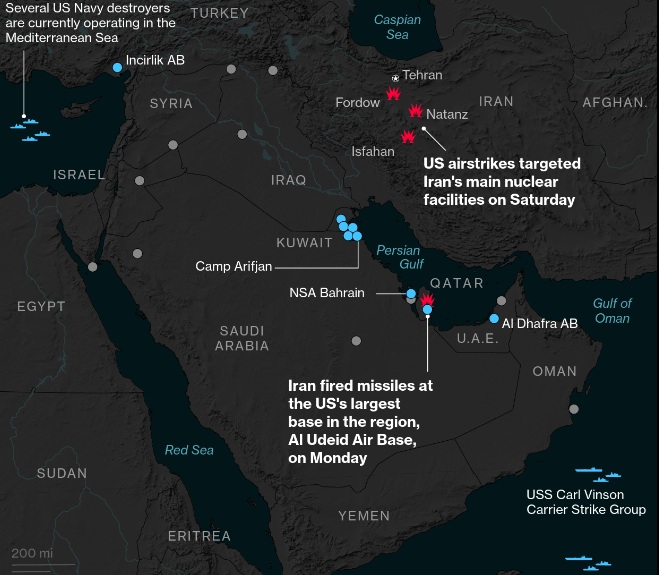
In remarks delivered tonight (around 10:30 p.m. WIB), U.S. President Donald Trump put the Strait of Hormuz at the center of his message, insisting the world’s most critical energy chokepoint must be secured and reopened as the U.S.–Israel war with Iran continues to disrupt shipping and elevate global inflation risks. The strait typically carries roughly a fifth of global oil flows, making its paralysis a major threat to energy security and trade.
Trump pressed U.S. allies—and major oil importers in particular—to share the burden of policing the route. Reuters reported he called on China, France, Japan, South Korea, and the United Kingdom to help ensure safe passage for tankers, arguing that countries benefiting from Gulf energy should also help protect the corridor and restore normal commercial transit.
His pressure campaign extended beyond the immediate conflict. Reuters, citing a Financial Times report, said Trump warned NATO could face a “very bad future” if allies fail to help the U.S. reopen Hormuz, highlighting operational needs such as minesweepers and broader maritime security support. The message signals that Hormuz is becoming a defining test of allied coordination amid the war’s growing economic fallout.
On the ground, the security picture remains tense. AP reported continued threats and incidents across the Gulf region that have kept shipowners cautious and contributed to the ongoing disruption of energy logistics. In that context, Trump’s proposed coalition is widely viewed as an attempt to cap the oil shock—but its effectiveness hinges on how quickly allies commit, what rules of engagement look like, and whether shipping companies regain confidence in transit safety.
Iran, meanwhile, remains defiant. Reuters reported Iranian officials have rejected claims that Tehran is seeking a ceasefire or negotiations and have indicated retaliation will continue, reinforcing the market’s view that any return to normal Hormuz traffic will require clear, verifiable improvements in security. For investors, shipping firms, and energy buyers, the key question after Trump’s speech is straightforward: will Hormuz actually reopen soon—or will escalation keep the route effectively shut for longer?
Sumber : Newsmaker.id