US Urges Citizens to Leave Middle East Immediately!
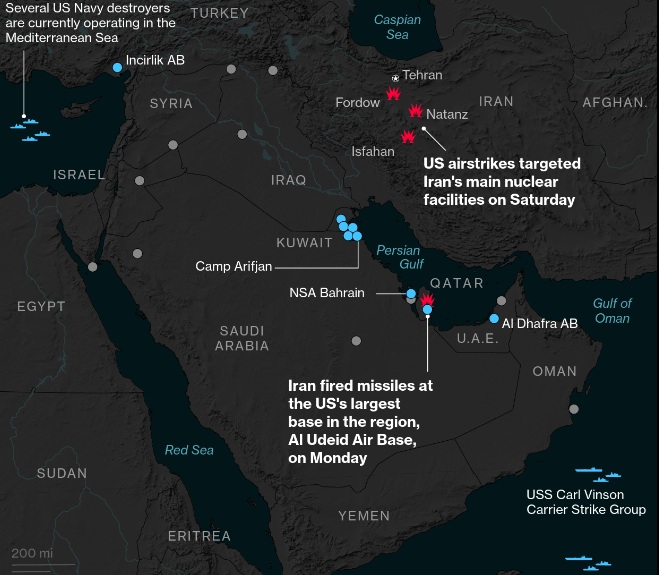
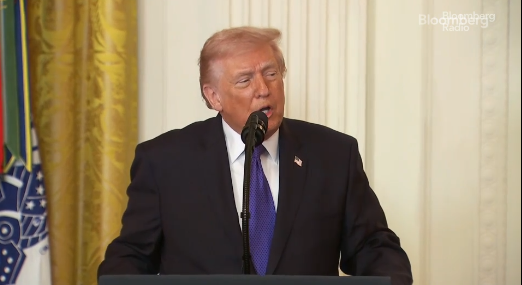
United States President Donald Trump issued a stern warning to Iran, asserting that US attacks could escalate significantly in the near future. Several media reports have Trump describing a "major wave" of attacks as "yet to come," indicating the escalation is not over.
Echoing this warning, the US government, through the State Department, issued an advisory for American citizens to immediately leave several countries in the Middle East due to "serious security risks." This warning comes amid a worsening situation following a series of attacks and retaliation that have further heightened regional uncertainty.
According to Reuters, the advisory covers more than a dozen countries, including Iran, Iraq, Israel, Jordan, Lebanon, Saudi Arabia, and the United Arab Emirates. This move confirms that Washington assesses the threat to US citizens in the region as increasing, both due to the potential for further attacks and the spillover effects of conflict.
At some points, security measures have also affected embassy activities. One reported example is the temporary evacuation of US Embassy personnel in Amman, Jordan, as a precautionary measure related to an unspecified threat. This situation reinforces the signal that the security risks are perceived as real, not merely administrative warnings.
On the other hand, the escalation of the conflict has put global markets on alert again, especially as the region holds crucial energy and logistics routes. Reuters highlights that tensions have also fueled concerns about energy shipping disruptions—including threats to the Strait of Hormuz, which could put additional pressure on oil prices and drive volatility in safe-haven assets.
Going forward, the primary focus of markets and diplomacy will be on two things: whether the attacks truly escalate as Trump has implied, and how Iran and regional countries will respond. As long as the escalation signals and evacuation warnings persist, market participants will tend to be defensive, anticipating a surge in geopolitical risk that could spread to energy, currencies, and global sentiment. (asd)
Source: Newsmaker.id