Xi Calls Trump: What's Behind the Invitation to Beijing?
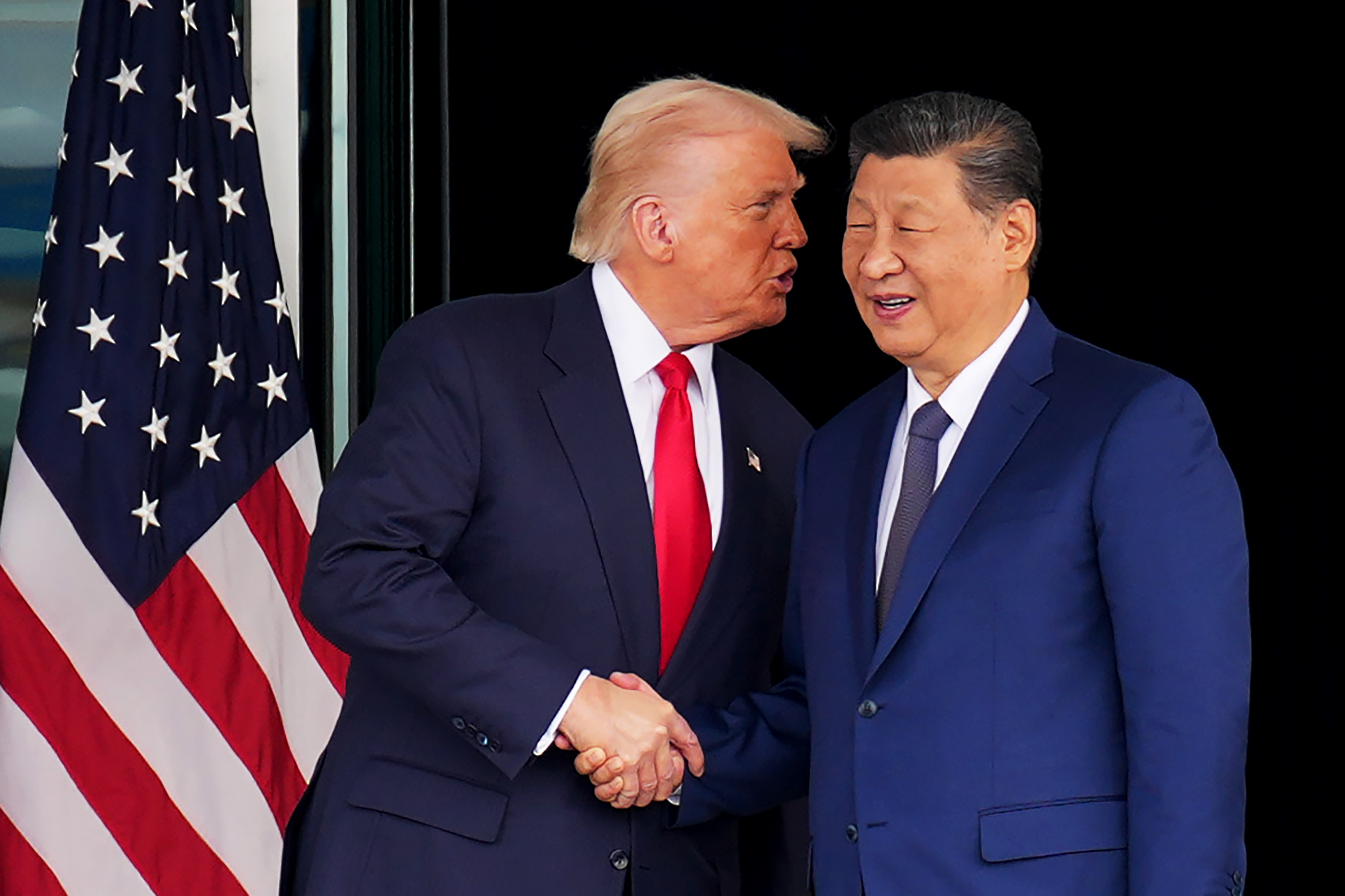
In an unusual move, Chinese President Xi Jinping called US President Donald Trump and invited him to visit Beijing in April. The two discussed a number of major issues, from the trade war, Taiwan, the Ukraine conflict, and China's weak purchases of US soybeans. This call was said to be a follow-up to their meeting in Seoul, where the two countries agreed to a one-year trade truce and began reducing tariffs on each other.
The White House's version emphasized that the main focus of the talks was trade and the plight of US farmers, including China's pledge to purchase soybeans. However, Chinese state media presented a different story. Beijing emphasized that Xi "rectified China's principled position" on Taiwan, asserting that its return to China is part of the post-war order. Xi also recalled that the US and China fought "together against fascism and militarism" during World War II and warned against damaging the Taiwan issue.
This call comes amid rising tensions between China and Japan. Japanese Prime Minister Sanae Takaichi recently stated that a Chinese blockade or invasion of Taiwan could trigger a Japanese military response. This statement sparked anger in Beijing and threats of retaliation. Some analysts believe Xi is trying to pressure Washington to restrain Tokyo and prevent the formation of a regional coalition ready to defend Taiwan in the event of conflict.
In their talks, the two leaders also touched on Ukraine. Many observers see similarities between Russian President Vladimir Putin's view of Ukraine and Xi's view of Taiwan: both are considered part of a "historical legacy" that must be restored. China remains a key partner for Russia, supporting its defense industry without openly sending lethal weapons, while worrying about the global economic impact of a prolonged war. Xi is believed to see an opportunity: helping push for a resolution to the Ukraine war in exchange for US concessions on Taiwan and tariffs.
On the economic and technological fronts, many details remain unsettled. The US and China are still negotiating the export of rare earth minerals, crucial for the automotive and technology industries, and soybean purchases have fallen far short of promises. At the same time, the Trump administration is still debating how much artificial intelligence technology and advanced chips like the Nvidia H200 should be sold to China. The final decision rests with Trump, who must balance business interests, national security, and his strategic relationship with Xi. (asd)
Source: Bloomberg.com