

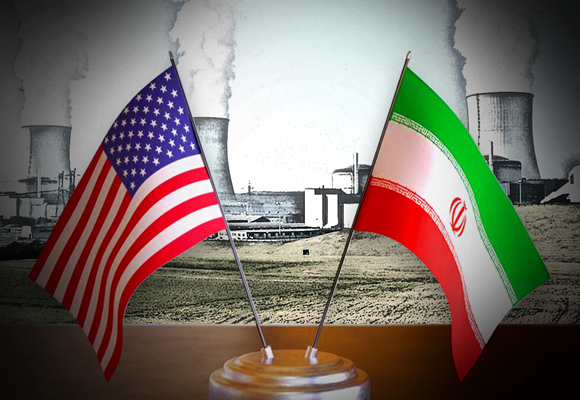
The US and Iran are ready to hold nuclear talks in Geneva amid the threat of war
US-Iran nuclear talks began in Geneva, Switzerland, on Tuesday (February 17th), in an indirect format mediated by Oman, as the threat of open conflict looms large in the region. Washington is said to be increasing its military presence in the Middle East, while markets await whether diplomacy can stem the escalation that has already inflamed global sentiment.
According to sources, the US delegation, led by envoys Steve Witkoff and Jared Kushner, met indirectly with Iranian Foreign Minister Abbas Araqchi. The closed-door meeting is scheduled to begin at 9:00 a.m. Geneva time (08:00 GMT / around 3:00 p.m. WIB), with Oman acting as a mediator between the two sides.
US President Donald Trump stated that he would engage "indirectly" and assumed Tehran wanted to reach a deal, while warning of consequences if negotiations failed. At the same time, Reuters reported that the US military was preparing the option of a prolonged operation if Trump ordered a strike—a signal that diplomacy was moving alongside military calculations.
The shadow of this escalation is inseparable from a series of previous events: Reuters reported that in the previous period, an Israeli attack was followed by US B-2 bombers hitting nuclear targets, and Iran subsequently declared a halt to its uranium enrichment activities. The trauma of that episode has made the current talks proceed at a much higher tension, as both sides test the limits of "red lines."
On the ground, Iran increased its alertness by conducting military exercises in the Strait of Hormuz on Monday—a vital corridor for regional energy exports—as Gulf states called for diplomacy to defuse tensions. These developments have cast a shadow over the market: Brent reportedly moved lower in Asian trading as investors reassessed the risk of supply disruptions ahead of negotiations.
Substantively, the core of the dispute remains the nuclear program: the US and Israel believe Iran is seeking nuclear weapons, while Iran maintains its program is peaceful—although uranium enrichment has reached near-weapons-grade levels. The IAEA also continues to press for transparency and inspection access, narrowing the space for compromise amidst domestic political pressures and the impact of sanctions on the economy and oil revenues.
With the meeting scheduled to begin early in the morning, Geneva time, the market is awaiting the first headlines from the meeting: if there are any signs of de-escalation, the risk premium on oil could quickly fade. Conversely, if talks stall or rhetoric intensifies, volatility could rise sharply—especially as global liquidity remains volatile due to the holiday season and a busy US monetary data schedule this week.
Source: Newsmaker.id








