July Oil Price Prediction: Determining the Direction of Inflation, Gold, and the Dollar
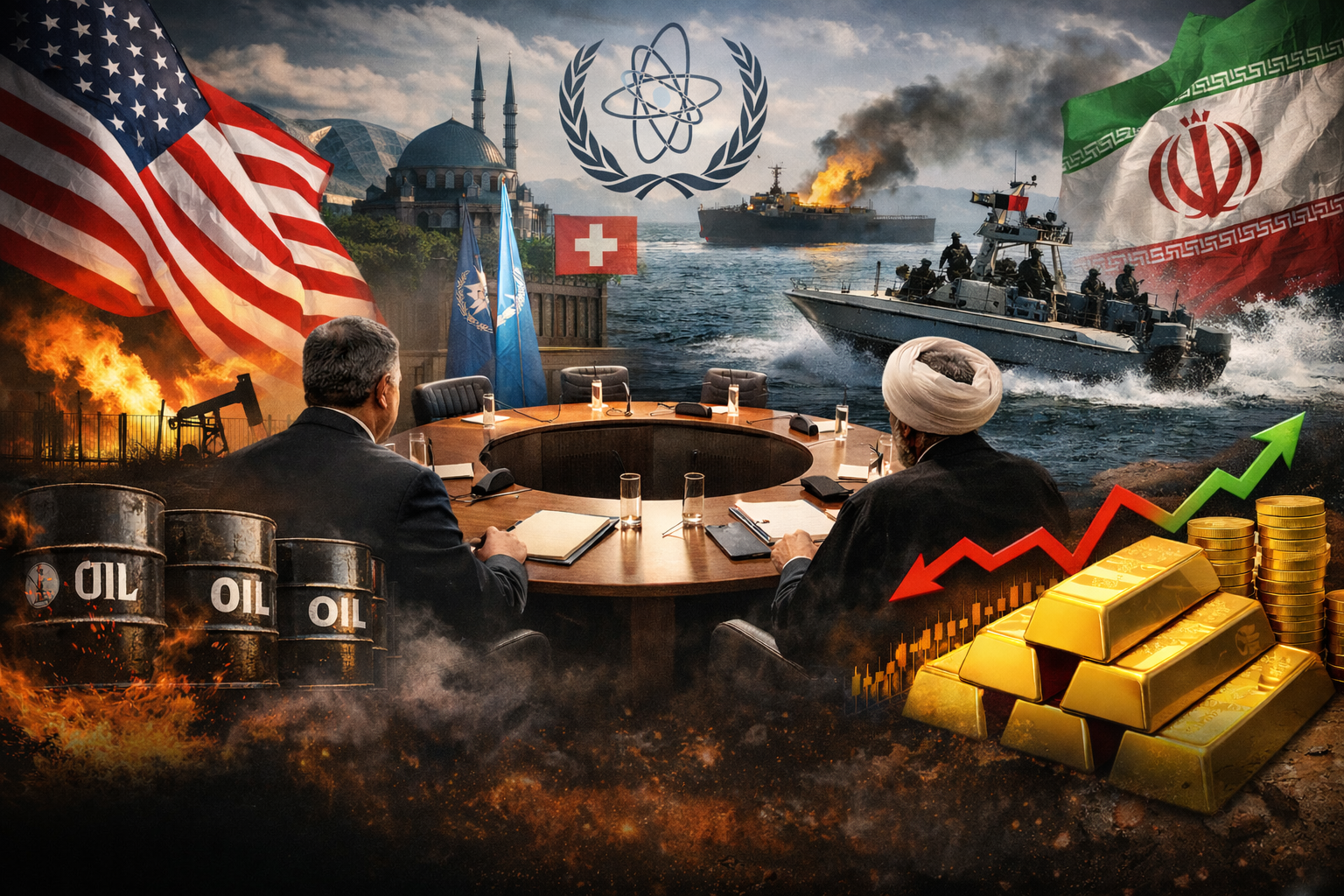
Oil prices are expected to remain volatile throughout July, amid escalating tensions between the United States and Iran. Global energy markets are once again focusing heavily on the Strait of Hormuz, the strategic waterway that serves as the main gateway for oil shipments from the Persian Gulf region to world markets.
The current rise in oil prices is driven more by geopolitical risks than by the strength of demand. The new US attack on Iran, Tehran's military response, and threats to shipping lanes have caused investors to reintroduce a risk premium into oil prices. This means that prices are rising not solely due to increased consumption, but also due to market concerns about supply disruptions.
Fundamentally, this situation puts oil in a sensitive position. If shipping traffic in the Strait of Hormuz slows again or shipping companies begin to avoid the route, oil prices could potentially remain high. However, if there are signs of negotiations or shipping flows returning to normal, some of the price increases could be quickly corrected as fears begin to subside.
Technically, Brent is currently hovering around the key area of US$78–80 per barrel. The US$80 level is a psychological barrier that the market needs to pay attention to. If Brent can break through and hold above that level, there's still a chance of a rise towards US$82 to US$85. However, if it fails to break through that area, profit-taking pressure could push prices back to the US$76 to US$75 zone.
For July, the main scenario for oil remains limitedly bullish with high volatility. Brent has the potential to move in the US$76–US$83 per barrel range, while WTI is likely to hover in the US$72–US$78 per barrel range. A more aggressive scenario could occur if the conflict escalates or the Strait of Hormuz is seriously disrupted, which could push Brent towards US$85 to US$90.
Nevertheless, market participants need to remain cautious as the current oil price increase does not fully reflect strong demand. Prices are largely driven by war tensions and supply risks. Therefore, the direction of oil in July will depend heavily on developments in the US-Iran conflict, the condition of the Strait of Hormuz, and whether the market views this situation as a major crisis or simply a temporary spike driven by geopolitical headlines. (asd)*
Source: Newsmaker.id