
Trending
Global & Economy
Source: Newsmaker.id
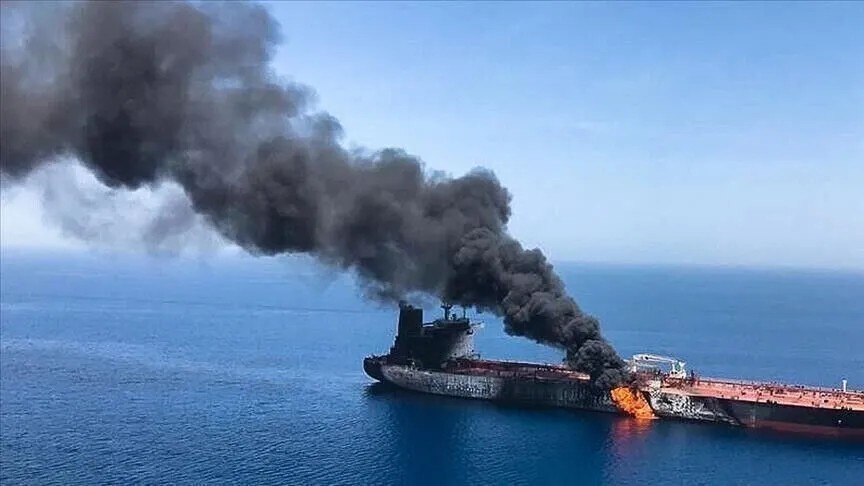
Tensions in the Strait of Hormuz have escalated following a series of attacks on oil tankers in recent days, occurring just as oil exports from the Gulf region were approaching pre-war levels. Recent data indicates a significant recovery in oil shipments from the area, even as security risks along this critical global shipping lane intensify.
Shipping activity through Hormuz showed a strong recovery throughout September. Middle Eastern oil exports even surpassed pre-war levels on several occasions, driven by increased shipments from Saudi Arabia and other Gulf states. However, the new wave of tanker attacks is now testing the sustainability of this recovery.
Most tankers traversing Hormuz are now utilizing a corridor near the Omani coast, with many switching off digital signals to minimize the risk of detection. This situation has made market participants increasingly reliant on satellite imagery and shipping data to monitor supply flows in real time.
Despite the rising threat, the immediate impact on export volumes has not yet fully materialized. Recent data shows that Gulf exports in September recovered to over 80% of pre-war levels, while crude oil and condensate exports neared 90% of normal levels.
Several consuming nations have also announced the release of emergency oil reserves to curb price pressures. This move, combined with rising Middle Eastern exports, helped push Brent prices back below US$100 per barrel. Nevertheless, shipping costs, insurance premiums, and the risk of logistical disruptions remain high.
The Strait of Hormuz remains a vital artery for global energy markets, facilitating a significant portion of the world's oil and LNG trade. Consequently, the rise in attacks on vessels in the region could drive up geopolitical risk premiums once again, particularly as the Northern Hemisphere approaches winter.
Newsmaker Analysis:
Current oil market fundamentals reflect a tug-of-war between supply recovery and escalating security risks. Recovering export flows act as a bearish factor, but an escalation in tanker attacks could quickly reverse sentiment if shipping volumes begin to be disrupted. As long as the Strait of Hormuz continues to operate near normal levels, upward pressure on prices is likely to remain limited. However, should attacks intensify and tankers begin to avoid the route, oil prices could potentially receive a strong boost once again.
Source: Newsmaker.id