
Trending
Global & Economy
Source: Newsmaker.id
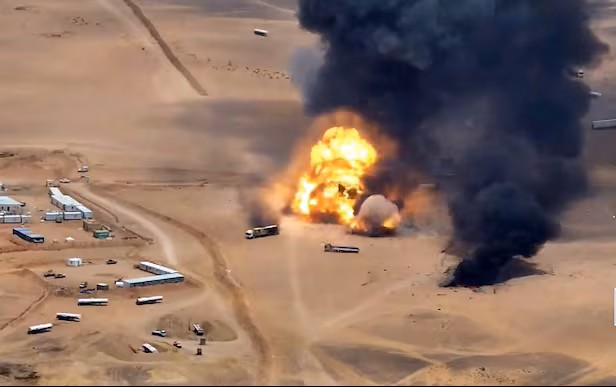
The conflict in Yemen has intensified after the Houthi group launched attacks on King Khalid International Airport in Riyadh and Abha Airport, killing three people and injuring 36 others. Saudi civil aviation authorities confirmed casualties and damage to facilities, while the Houthis claimed responsibility for the attacks. This escalation comes as Saudi-backed Yemeni government forces are conducting an offensive to retake strategic territory around the Bab el-Mandeb Strait. The News
Saudi Arabia responded by stepping up attacks on Houthi positions in Yemen. The Saudi-led coalition stated it had destroyed over 80 Houthi military targets across several areas, including missile storage facilities and command centers. Saudi Arabia also reported intercepting a ballistic missile launched toward the Riyadh area. This escalation demonstrates that the conflict is no longer confined to the battlefield in Yemen but is beginning to directly impact civilian infrastructure and regional transportation. Internazionale
From a market perspective, these developments are significant because Bab el-Mandeb is a vital route for global energy trade and shipping. Fighting in the area could increase risks for oil tankers traversing the Red Sea, particularly as the Strait of Hormuz also faces disruptions due to the broader conflict in the Middle East. Simultaneous significant disruptions to both routes could heighten the risk of delivery delays and increased energy transport costs. Reuters
Upward pressure on oil prices could return if attacks begin targeting energy facilities or impeding tanker movements. Previously, the recovery of oil flows from the Middle East had eased the geopolitical risk premium. However, escalating attacks on vessels and infrastructure near Saudi Arabia and Bab el-Mandeb could prompt the market to once again price in the risk of supply disruptions. This is particularly critical given that Brent crude remains around the US$100 per barrel mark.
Newsmaker Analysis:
The latest escalation in Yemen presents a bullish risk for oil while simultaneously increasing global inflationary pressure. In the short term, the market will closely monitor whether Houthi attacks extend to energy facilities and key shipping lanes. If oil flows are not significantly disrupted, price increases will likely remain limited. However, should major disruptions affect the Bab el-Mandeb strait or Saudi energy facilities, the geopolitical risk premium could surge, driving oil prices higher.
Source: Newsmaker.id