
Trending
Global & Economy
Source: Newsmaker.id
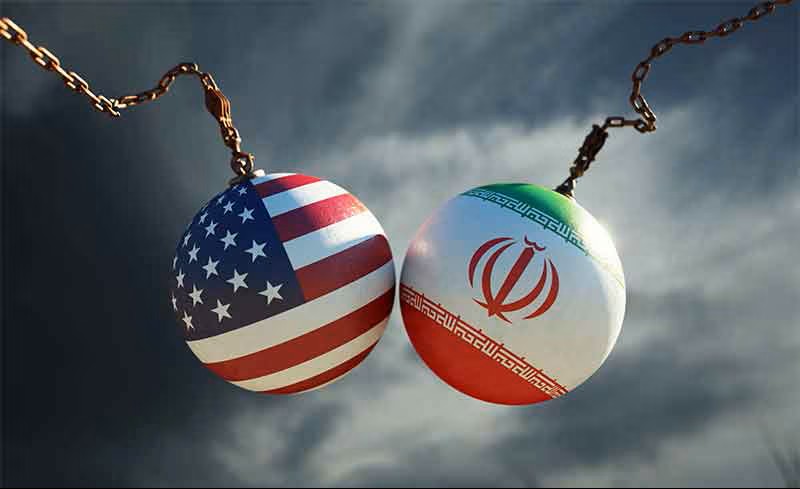
After nearly nine months of conflict, the United States and Iran remain in a stalemate with no clear path forward. Both sides believe they have the time to maintain their respective positions; however, former US negotiators, European officials, and sources from the Gulf region warn that the conflict could escalate once again before any diplomatic agreement is reached.
US President Donald Trump has opted to maintain economic pressure and a naval blockade against Iran, rather than launching a major new military offensive. Washington hopes that this economic strain will compel Tehran to make concessions regarding its nuclear program. This strategy was chosen because further military strikes could potentially trigger Iranian retaliation against energy infrastructure in the Gulf region.
Iran, meanwhile, has taken a different stance. Tehran maintains that it is up to Washington to take the first step toward resolving the conflict, and it has rejected US-imposed pressure. While Iran remains open to diplomatic channels—facilitated by mediators such as Oman and Qatar—it insists that it will not accept any agreement perceived as the product of coercion. These conflicting demands have left little room for compromise between the two sides.
Further concerns surround Iran’s nuclear program. European officials have noted that US military operations could actually complicate the situation, as some highly enriched uranium may have been relocated or stored deep within underground facilities. Iran maintains that its nuclear program is for peaceful purposes and denies allegations that it seeks to develop nuclear weapons; meanwhile, access for nuclear inspectors remains suspended for the duration of the conflict.
Newsmaker Analysis: The US-Iran stalemate increases the risk of a protracted conflict, as neither side has yet identified a compromise that is politically acceptable. While Washington’s strategy of economic pressure remains its primary approach, a failure to reach an agreement could once again bring the option of military escalation back to the table. For the global market, this development is a cause for concern, as any escalation in tension has the potential to disrupt security in the Gulf region, shipping lanes, and energy supplies—thereby increasing oil price volatility and driving demand for safe-haven assets. (arl)
Source: Newsmaker.id