
Trending
Global & Economy
Source: Newsmaker.id
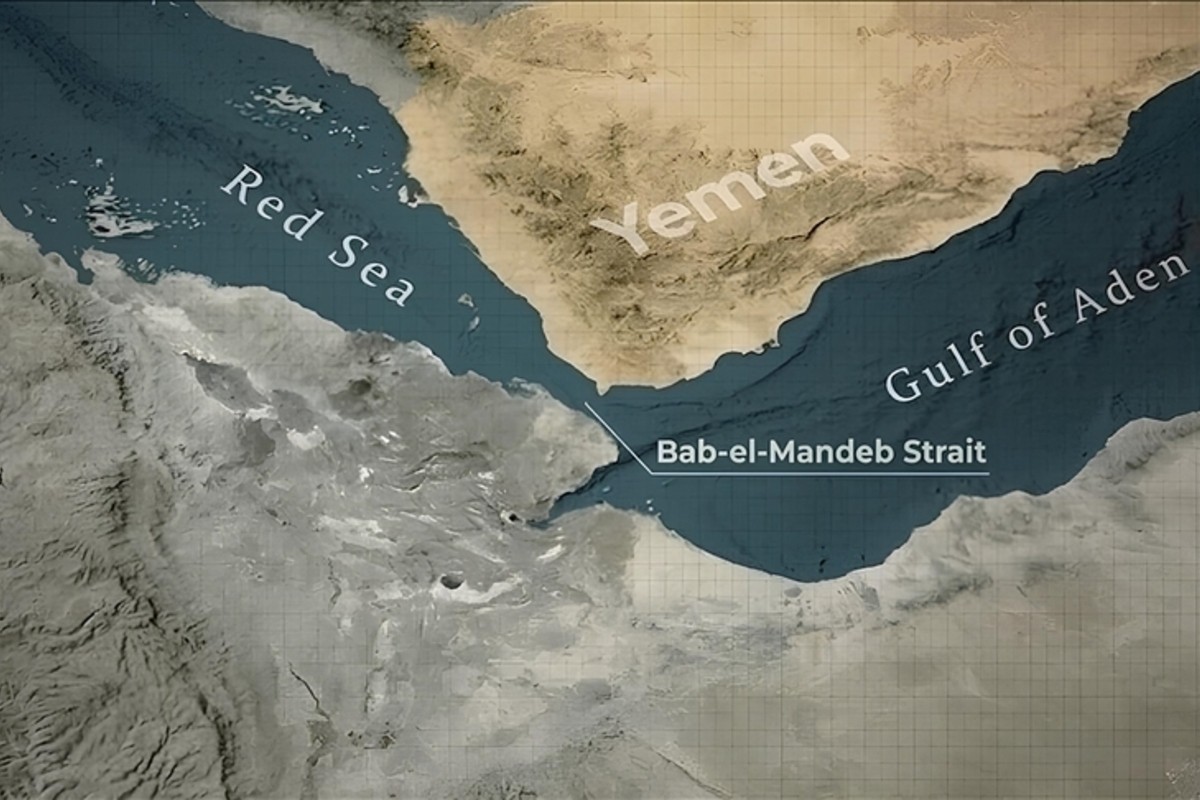
Saudi-backed Yemeni government forces have reportedly secured strategic positions near the Bab el-Mandeb Strait as part of an effort to retake territory held by the Iran-backed Houthi group. Government forces have reportedly seized the Dhubab district—which overlooks the shipping lane—with air support from the Saudi-led coalition. However, Houthi-affiliated media have denied that government forces have made any significant advances.
The Yemeni government had previously announced the launch of a military operation against the Houthis. Yemeni President Rashad al-Alimi stated that the operation would continue until the country's territory is cleared of the militant group. The Houthis still control several densely populated areas, including the capital, Sanaa, and northwestern Yemen, suggesting the conflict could be prolonged.
These developments have drawn the attention of energy markets, as Bab el-Mandeb is a strategic waterway connecting the Red Sea to the Gulf of Aden. Control over the area surrounding the strait gives the Houthis a strategic position from which to disrupt shipping traffic. Should the conflict escalate further, risks to the transport of oil and energy products through the Red Sea could rise—particularly given the ongoing uncertainty surrounding other regional energy routes, such as the Strait of Hormuz.
The situation is further complicated by Iran's continued hardline stance regarding the reopening of the Strait of Hormuz. Tehran has stated that operations along the route will not return to normal until seven conditions outlined in an interim agreement with the United States—reached in June—are met. Iran had previously offered to reopen Hormuz and restore maritime traffic within seven days if its demands were satisfied. The United States has responded via Qatari mediators, though the content of that response has not been publicly disclosed.
Newsmaker Analysis:
Energy-related risks now stem not only from the Strait of Hormuz but also from Bab el-Mandeb and the Red Sea. If Yemen's military operations expand and the Houthis escalate attacks on vessels or energy infrastructure, the geopolitical risk premium on oil could rise. Conversely, diplomatic progress between the United States and Iran, alongside the Yemeni government's success in securing the Bab el-Mandeb, could alleviate supply concerns. For the oil market, developments regarding these two strategic fronts will serve as key catalysts in determining the future direction of prices.
Source: Newsmaker.id