
Trending
Global & Economy
Source: Newsmaker.id
US President Donald Trump has called for an immediate investigation into US economic growth data following a significant upward revision to third-quarter Gross Domestic Product (GDP) figures. Trump alleged that the initial figures—released prior to the midterm elections—were “fake” and questioned why the revision only emerged after the polls had closed.
On Wednesday (November 25), the US Bureau of Economic Analysis (BEA) revised the third-quarter annualized GDP growth rate to 4.3%, well above the initial estimate of 3.4% released on October 29. This revision indicates that US economic growth was substantially stronger than initially projected—a development that coincides with a major defeat for the Trump-led Republican Party in the November 3 elections.
Trump characterized the discrepancy as more than a minor error, demanding a government investigation into why the higher figures were not published before the election. However, he provided no evidence to support his claim that the data had been deliberately manipulated to influence the election outcome.
The BEA has previously explained that GDP figures are subject to change following initial estimates, as the data available at the time of the first release is often incomplete—particularly regarding inventories, trade, and consumer spending on services. Over the course of this century, GDP estimates released approximately 90 days after the initial figures have shown an average revision of about 0.52 percentage points.
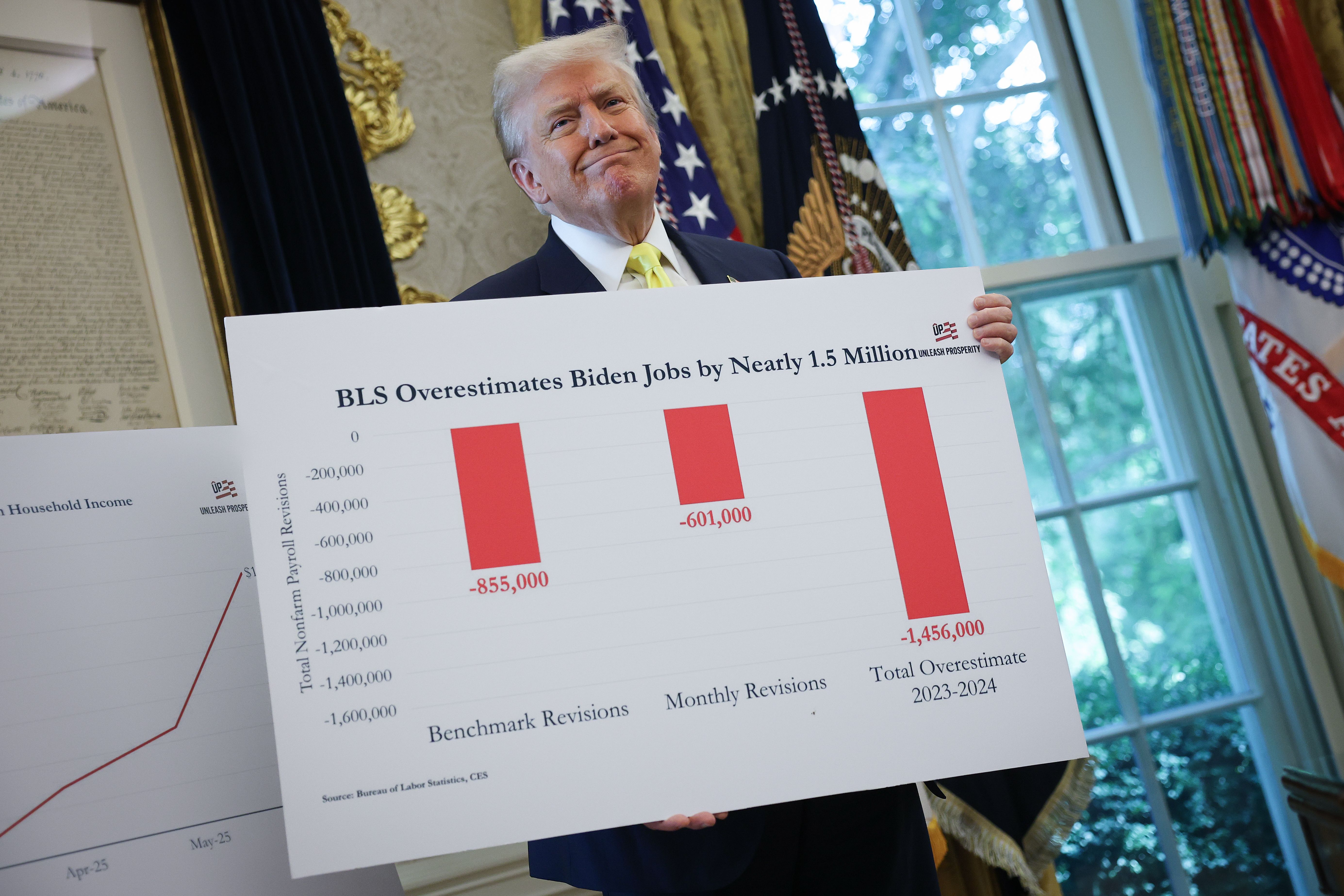
This controversy has drawn further scrutiny toward the credibility of US government economic data. Previously, Trump dismissed a senior official at the Department of Labor after alleging that employment data had been manipulated—an accusation that was also unsupported by evidence.
For the markets, the upward revision of GDP to 4.3% reinforces the view that the US economy remains resilient, potentially providing the Federal Reserve with more leeway to maintain a tight monetary policy. Such conditions could influence interest rate expectations, the US dollar, Treasury yields, and the performance of assets like gold and stocks in subsequent trading. (arl)
Source: Newsmaker.id