
Trending
Global & Economy
Source: Newasmaker.id
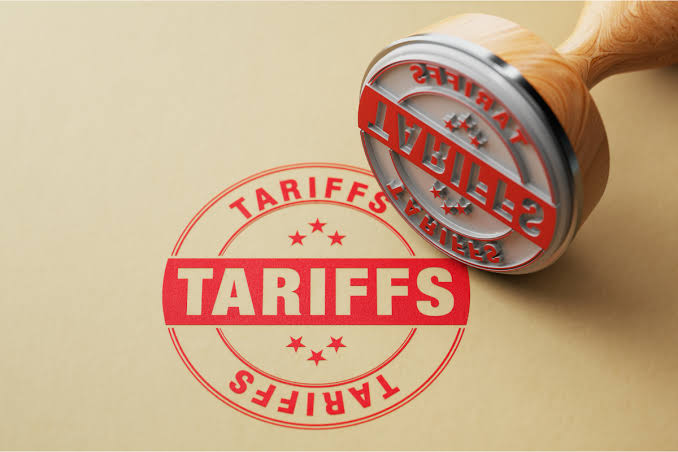
The administration of US President Donald Trump is preparing to announce new import tariffs targeting 16 major trading partners, even as inflationary pressures remain elevated. This plan has fueled market concerns regarding potential price hikes, a decline in consumer purchasing power, and the likelihood that the Federal Reserve (the Fed) will maintain its restrictive monetary policy.
According to a Reuters report on Wednesday (November 25, 2026), the policy follows investigations into alleged industrial overcapacity in several countries, including China, India, Japan, South Korea, Indonesia, and the European Union. These new tariffs could supplement existing import duties and potentially replace certain tariff measures previously struck down by the US Supreme Court.
While the tariff policy is intended to protect domestic industries and boost the competitiveness of American-made goods, companies may pass the increased import costs on to consumers through higher retail prices. Such a scenario could slow the decline in inflation while eroding consumer purchasing power—particularly if income growth fails to keep pace with rising prices.
The proposed tariffs also complicate the Federal Reserve’s position. Should inflationary pressures intensify, the US central bank would have further justification to maintain or even raise interest rates. Conversely, higher production costs—compounded by the risk of retaliatory measures from trading partners—could dampen economic activity, raising the specter of "stagflation": a condition characterized by high inflation occurring alongside weakening economic growth.
For financial markets, heightened inflation risks could bolster the US dollar—driven by expectations of monetary tightening—while exerting downward pressure on gold prices. However, should trade tensions escalate and threaten global economic growth, demand for gold as a "safe-haven" asset could strengthen. Investors are now closely monitoring developments regarding the tariff policy, as well as US Personal Consumption Expenditures (PCE) inflation data, for clues on the future direction of monetary policy.