Asian Traders Brace for Change as U.S. Futures Rise
Asian markets faced heightened volatility on Tuesday on concerns that President Donald Trump’s trade war is hurting global economic growth. U.S. equity index futures rose in early trading.
Stock futures pointed to a rebound in Japanese shares, gains in Australia and further losses in Hong Kong. A gauge of U.S.-listed Chinese stocks fell more than 5% after Trump threatened to impose additional tariffs of 50% on China. S&P 500 futures rose 1% after the index neared a bear market on Monday before closing slightly lower. Treasury bonds fell in a volatile session, while the dollar strengthened.
Concerns about an economic downturn caused sharp swings in U.S. markets as investors digested news of further tariffs. Trump said he was not considering pausing his plans to impose additional tariffs on dozens of countries despite efforts by trading partners seeking to avoid the levies, while still signaling he may be open to some negotiations. "For now, it looks like the news out of Washington will continue to drive market movements, one way or another," said Chris Larkin at E*Trade with Morgan Stanley.
"Some of the market's most famous lows over the past few decades have been preceded by similar levels of volatility, though it's always impossible to know when prices will finally bottom." In the bond market, Treasuries fell, erasing some of their biggest weekly gain since August. The yield on the 10-year rose 19 basis points as investors liquidated winning trades to cover equity losses.
Australian and New Zealand bonds followed suit. Traders' bets on how much the Federal Reserve will cut U.S. interest rates this year have been volatile. At least three cuts are now reflected in overnight interest rate swaps this year, with the first fully priced in June.
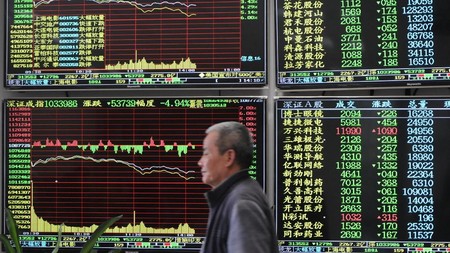
In Asia, Chinese stocks plunged on Monday while government bond yields hovered near all-time lows as investors braced for the fallout from the escalating trade conflict between the world's two largest economies. China's retaliation against Trump's massive tariffs forced investors to confront the reality that the much-feared trade conflict has entered a new phase. Meanwhile, Trump has tasked two members of his Cabinet with starting bilateral trade talks with Japan after calling Prime Minister Shigeru Ishiba on Monday. Japan is facing a 24% reciprocal tariff across the board that is scheduled to kick in Wednesday, in addition to a 25% auto duty.
Source: Bloomberg