European Stocks Drop as Trump Says He Will Impose 25% Tariffs
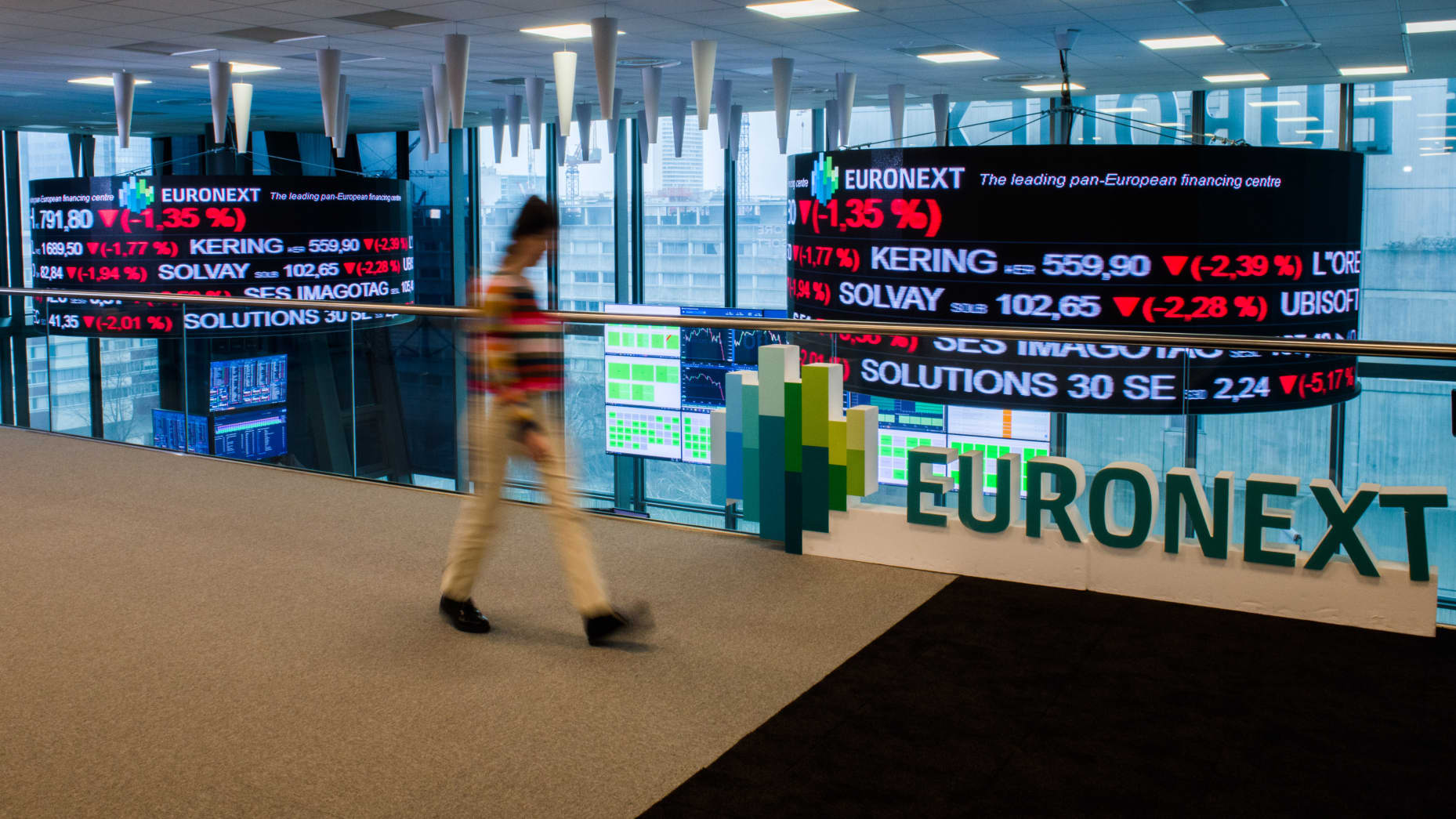
European stocks fell after U.S. President Donald Trump said he would impose 25% tariffs on imports from the European Union.
The Stoxx 600 Index fell 0.5%, with retail, technology and autos the biggest losers. The euro weakened. A slew of earnings also kept European traders busy. Rolls-Royce Holdings Plc jumped 16% to a record high after it raised its profit guidance and announced a share buyback. WPP Plc slumped 17% after the advertising agency’s sales forecast missed analysts’ estimates.
U.S. equity futures rose, with contracts for the S&P 500 and Nasdaq 100 up 0.4%. Nvidia Corp., the chipmaker at the center of the AI spending boom, was in the spotlight after reporting good-but-not-great earnings on Wednesday, drawing a lukewarm response from investors accustomed to surprising numbers. Trump has been at odds on Wednesday about the tariffs, leaving investors wondering. A White House official said the European levies could affect all exports from the bloc or just certain sectors.
The Trump administration remains on track to impose levies on Mexico and Canada, but it is unclear whether they will be implemented in March. “The tariff story is a bit confusing,” Wisdomtree UK’s Aneeka Gupta said on Bloomberg Television. “On one end of the spectrum, we have announcements and then on the other end of the spectrum we have negotiations, opportunities for pauses or extensions. Investors are still confused about what’s really happening. So far we’ve had more noise than substance.” The mixed outlook for Nvidia comes at a volatile time for the AI industry, after Chinese startup DeepSeek sparked concerns that chatbots could be developed cheaply, potentially reducing the need for Nvidia’s advanced chips.
Nvidia’s results “didn’t do enough to address and calm” concerns about geopolitics, tariffs and the changing landscape in AI trading, said Charu Chanana, chief investment strategist at Saxo Markets.
Get the Markets Daily newsletter to learn what’s moving stocks, bonds, currencies and commodities.
Dollar gauges rose. Treasury bonds slipped after rallying on Wednesday, sending the 10-year U.S. yield to its lowest since mid-December. Investors in U.S. government bonds are starting to bet the Federal Reserve will soon need to shift from concerns about sticky inflation to concerns about slowing economic growth.
Bitcoin rose to $86,000 after falling below $84,000 overnight. Oil steadied near its lowest close this year, while gold fell.
In Asia, the yen traded around 149 per dollar after ending Wednesday’s session little changed. Japan’s top currency official indicated Wednesday that he was not concerned about rising market expectations for a Bank of Japan interest rate hike, which this week helped send the yen to a four-month high.
Source: Bloomberg