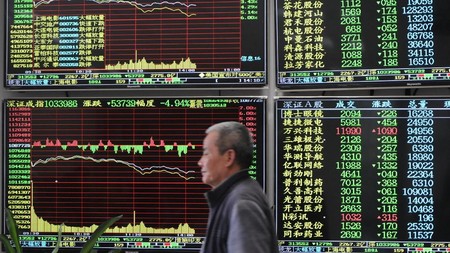
Asian Stocks Down, Yen Up Ahead of U.S. Jobs
Asian stocks fell on Friday after a muted move on Wall Street as traders awaited U.S. jobs data that will help illuminate the path forward for interest rates.
Shares in Japan, Australia and South Korea opened lower, while equity futures for Hong Kong also fell. The decline in Tokyo partly reflected a stronger yen, which extended gains against the dollar into a fifth day on Friday to trade around its highest level since early December. Prime Minister Shigeru Ishiba is due to meet with U.S. President Donald Trump on Friday.
The S&P 500 closed 0.4% higher, while the Nasdaq 100 gained 0.5% on Thursday. Shares of Amazon.com Inc fell in after-hours trading following earnings results that showed projected profit for the current quarter fell short of analysts’ estimates. The shortfall suggested the company was continuing to ramp up spending to support artificial intelligence services. Government bonds were slightly lower across the curve on Thursday.
The dollar index, which tracks the dollar against a basket of currencies, was little changed. The moves signal a dose of calm ahead of Friday’s nonfarm payrolls figures that will refocus traders from the tariff drama that initially rocked financial markets earlier in the week. Friday’s jobs report is expected to show 175,000 new jobs were added to the U.S. economy. A weak number could raise expectations for further Federal Reserve cuts, while a stronger-than-expected number could have the opposite effect. Separate jobs data released Thursday showed initial jobless claims rose while labor productivity remained strong.
In addition to Friday’s jobs numbers, Wall Street will be watching for a revised job growth figure. Economists expect it to be substantial, but probably not as bad as previously thought. “Friday’s jobs report is important to the market because if it’s Goldilocks, it should help support the market amid all this tariff and policy noise,” said Tom Essaye at The Sevens Report. “However, if it’s not Goldilocks, it will add another drag on risk assets and likely weigh on stocks.” Elsewhere, Treasury Secretary Scott Bessent said his department is reaching out to major holders of government securities to get a better sense of their thinking on the federal debt ceiling. Bessent also said he supports a strong dollar and has no plans to change the government’s debt issuance plans.
In Asia, a raft of data due out include direct bond purchases for the Bank of Japan, inflation for Taiwan and an interest rate decision in India. The consensus forecast is for the Reserve Bank of India to cut its benchmark interest rate by 25 basis points to 6.25%, but some analysts say it’s possible the RBI could cut by double that amount.
Source: Bloomberg