US Stocks Fall, Trump Considers Further Escalation
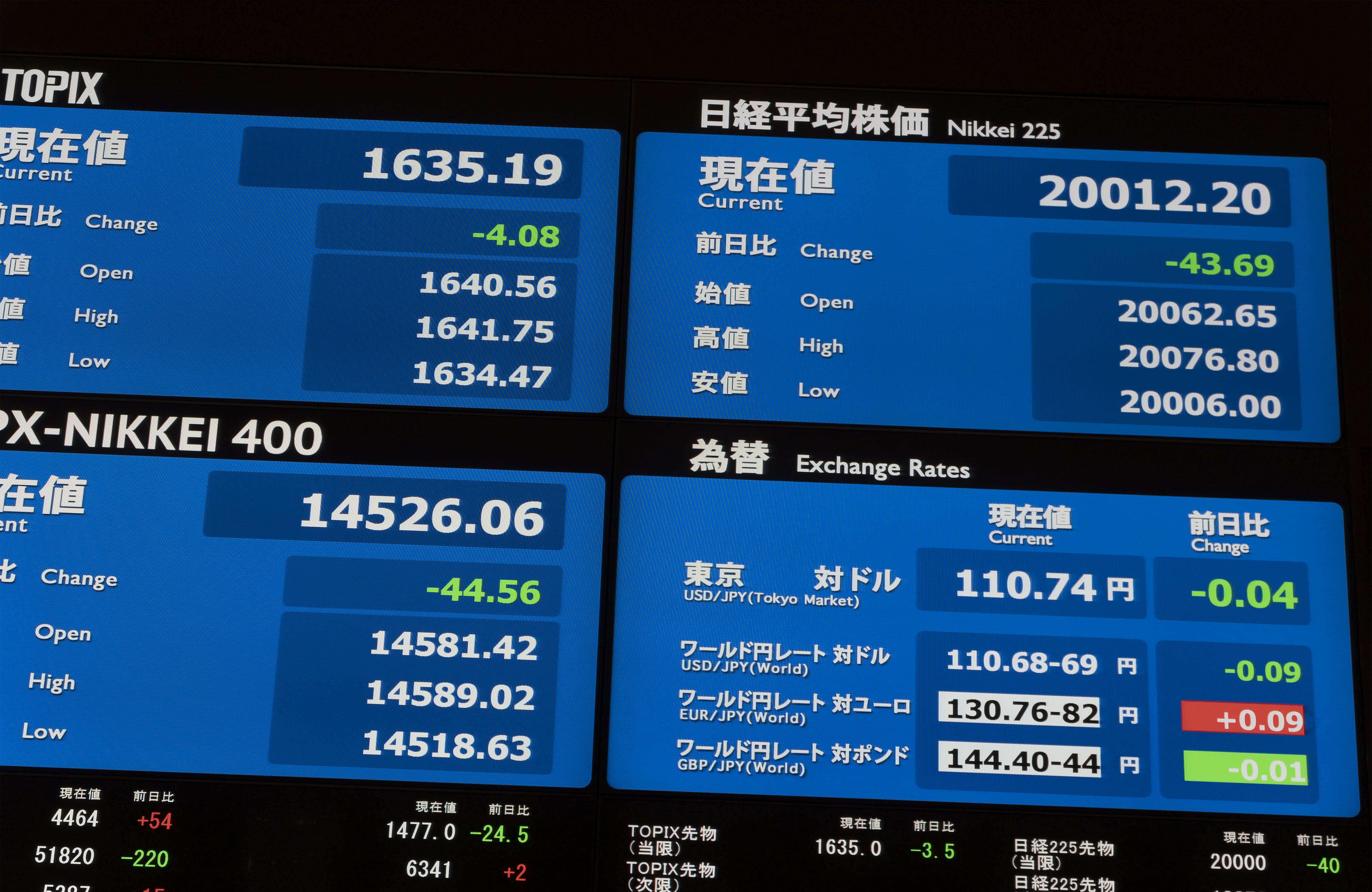
US stocks weakened on Monday (April 13) after oil prices surged following President Donald Trump's announcement of a blockade of the Strait of Hormuz, while US-Iran peace talks over the weekend ended without a deal. The Dow fell 0.7%, while the S&P 500 and Nasdaq each fell 0.3%.
Trump wrote on Truth Social that the US Navy would begin the process of blocking ships attempting to enter or exit the Strait of Hormuz, and said "other countries" would become involved. US Central Command stated the closure would begin at 10:00 a.m. ET Monday, emphasizing that ships using the strait to reach non-Iranian ports would not be blocked—while the focus would be on traffic entering and leaving Iranian ports.
The breakdown in negotiations in Islamabad has reignited concerns that the Iran war will drag on for longer, extending energy cost pressures for the global economy and depressing risk asset valuations. Vice President JD Vance left Islamabad without a deal, with differences not only over the nuclear issue but also over Iran's demands for control of Hormuz, war compensation, and the release of frozen assets. Pakistani officials said they would try to revive talks in the coming days. The Wall Street Journal reported that Trump is also considering resuming military action.
At the issuer level, Goldman Sachs was among the index's decliners, with its shares falling about 3% despite strong overall earnings performance, as trading results remained disappointing. The market is also entering the start of the first-quarter earnings season, with a number of major banks—including Citi, Wells Fargo, JPMorgan, Morgan Stanley, and Bank of America—scheduled to release results this week.
Monday's decline also marked a reversal of sentiment from the previous week, when hopes of a swift end to the war fueled strong rallies: the S&P 500 rose 3.6%, the Nasdaq 4.7%, and the Dow 3%. Now, the market's focus is back on the direction of oil, the Hormuz escalation, and whether diplomacy can be resumed before volatility escalates further.
Source: Newsmaker.id