MSCI Asia Pacific Index Drops, AI Concerns Weigh on Sentiment
Asian stocks weakened from record levels after turmoil on Wall Street fueled renewed concerns about the impact of artificial intelligence (AI) on various sectors. Pressure on US technology stocks prompted investors to reduce risk appetite and shift funds to safer assets, particularly US Treasuries.
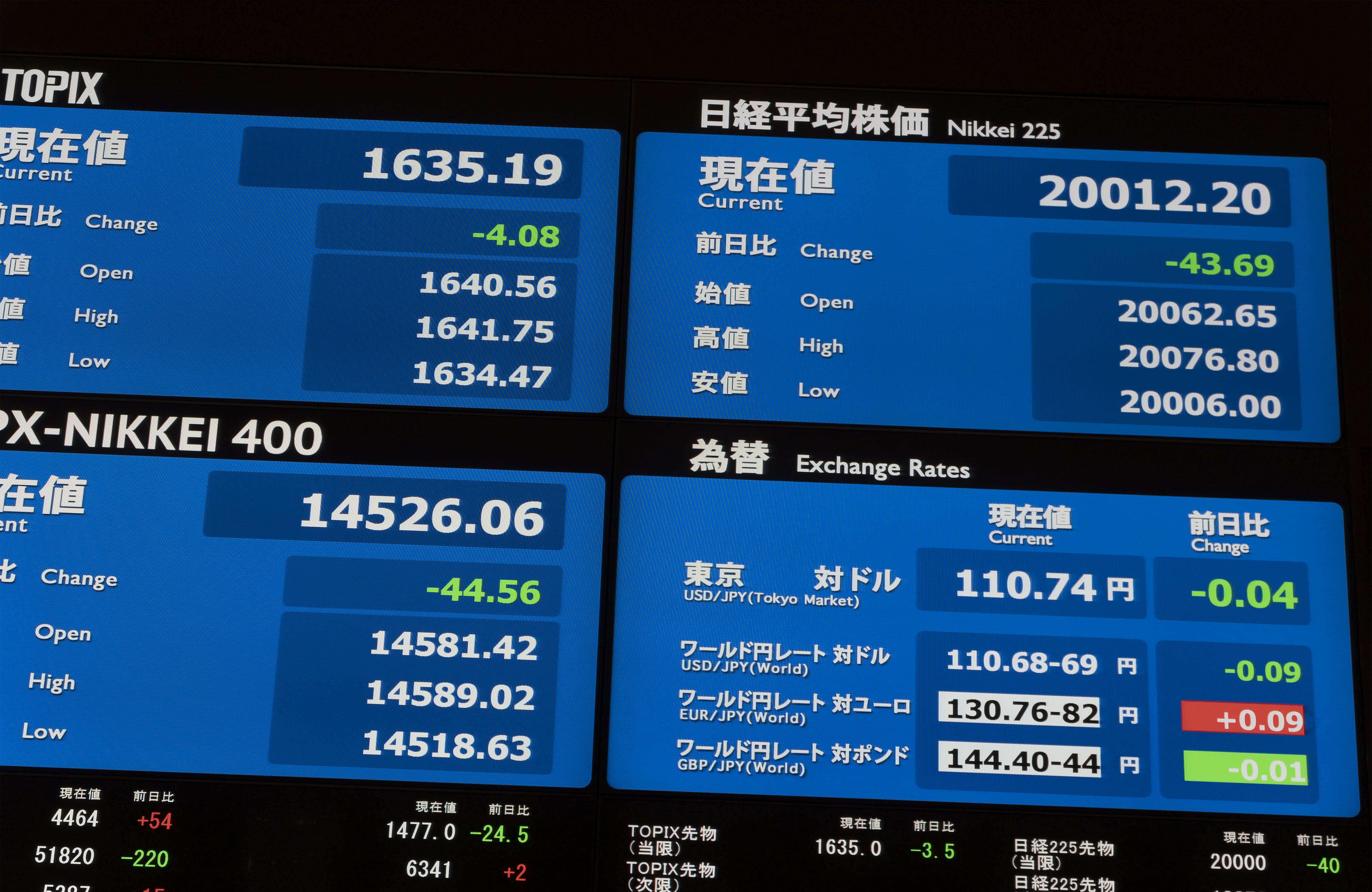
The MSCI Asia Pacific Index fell for the first time in six sessions, with losses seen in Japan, while South Korean markets traded modestly higher. This decline followed a sharp decline in the US, where the S&P 500 fell around 1.6% and the Nasdaq 100 fell 2% as tech giants weakened. The impact affected sectors outside of technology, including logistics and commercial property, indicating investors were reassessing the risks of a "domino effect" on legacy business models.
However, early Asian trading showed signs that the market was trying to find its footing after increased volatility: US stock index futures moved slightly higher. Gold remained relatively stable on Friday after falling about 3% in the previous session, with algorithmic trading seen as accelerating the sudden decline. Bitcoin also posted a slight gain after four days of losses.
Cross-asset outflows fueled a rally in the US bond market. US Treasuries rallied across all tenors, pushing the 2-year yield down by about 5 basis points and the 10-year yield down by about 7 basis points to around 4.1%. The next focus turns to the January US inflation (CPI) release, scheduled for Friday, while the market still rates a slim chance of the Fed cutting interest rates at its March meeting and begins pricing in a rate cut around mid-year.
On the commodities front, oil weakened as risk-off sentiment strengthened and markets digested developments in US-Iran tensions that continued to escalate the supply trade. However, there was a bright spot for US stocks: Applied Materials surged in follow-up trading after providing a stronger-than-expected sales forecast, suggesting that AI-related spending and memory chips are still supporting demand for semiconductor equipment. (Asd)
Source: Bloomberg