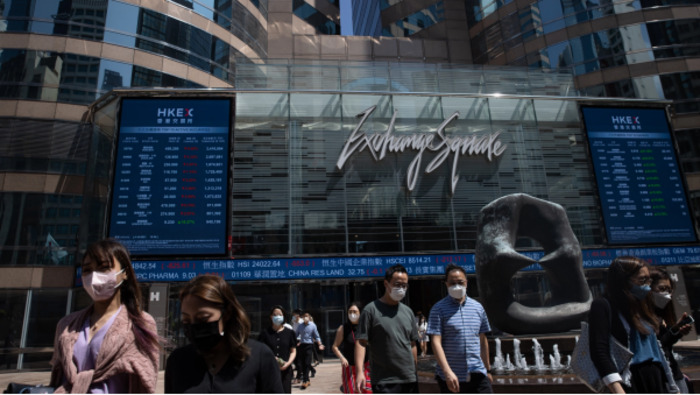
Asian Stocks Fall Following Wall Street's Correction
Asian stock markets fell in unison on Thursday, following Wall Street's decline. A brief rally in tech stocks led by Nvidia quickly faded, prompting investors to turn away from riskier assets like crypto. Concerns that AI-based stocks are overvalued and that massive infrastructure spending hasn't kept pace with revenues have further fueled market jitters.
Meanwhile, market fear indicators such as the volatility index (VIX) surged above levels that typically alert traders, while Bitcoin fell below its lowest level since April. As risk appetite weakened, US government bonds strengthened and 10-year yields fell, indicating market participants were seeking safer assets. Despite the initial decline, US stock valuations remain near historically "expensive" levels.
From the United States, delayed employment data showed job growth rebounding, but unemployment also rose. The minutes of the Fed's last meeting confirmed that central bank officials remain divided on the need for further interest rate cuts. Several Fed officials, including Michael Barr, Beth Hammack, and Austan Goolsbee, emphasized the need for caution because inflation remains above target and the risk of cutting interest rates too quickly could undermine financial stability.
In Asia, the focus is on Japan. Prime Minister Sanae Takaichi's government is preparing to announce a new stimulus package of approximately ¥17.7 trillion, potentially holding back the Bank of Japan from raising its benchmark interest rate anytime soon. Meanwhile, the yen held steady, with Finance Minister Satsuki Katayama reiterating that the government is ready to consider intervention if currency movements are deemed excessive. (asd)
Source: Bloomberg