Asian Stocks Weaken, But Korea's Upside Is Fast, What's Going On?
On Tuesday morning, November 18, 2025, sentiment on Asian markets remained cautious following a sharp decline on Wall Street and concerns about the Fed's interest rate direction. Most indexes in the region moved lower, with investors choosing to reduce risk ahead of the release of Nvidia's earnings report and US employment data, which was delayed due to the longest government shutdown in history.
In Japan, the Nikkei 225 closed down around 0.1% at 50,323.91, while the Topix index also weakened. The greatest pressure came from tourism and retail stocks after China issued a travel warning to Japan amid escalating tensions over Taiwan. Department store and cosmetics stocks plunged, reflecting concerns that Chinese tourist visits—which have long been a major source of spending—will slow.
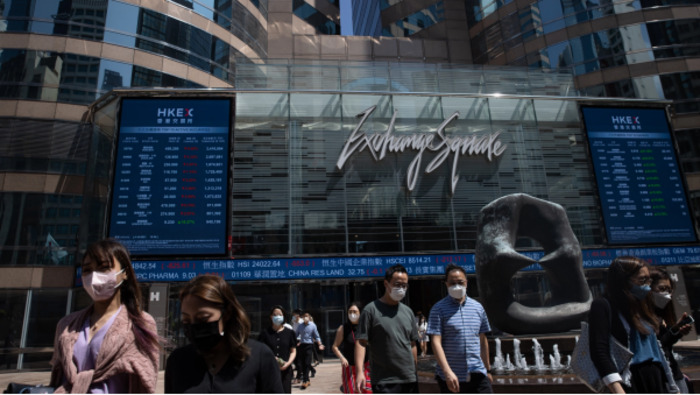
Selling pressure was also felt in Hong Kong and mainland China. The Hang Seng weakened around 0.7% to around 26,384, while the CSI 300 and Shanghai Composite both corrected, weighed down by concerns about high valuations of technology stocks and the risk of a bubble after a long rally driven by the AI theme. On the other hand, South Korea was an exception: the Kospi jumped nearly 2% and the Kosdaq also strengthened, helped by buying in chip and technology stocks that were considered to have fallen too far.
On the macro front, today's Asian data calendar was relatively quiet, with the focus on the RBA meeting minutes, which reaffirmed its hold on interest rates, and speeches by Fed officials, which the market considered could provide additional clues about the possibility of a December rate cut. In the foreign exchange market, the US dollar tended to strengthen, while the yen briefly tried to strengthen after earlier pressure. Overall, Asian market players remained cautious, awaiting a combination of signals from the Fed, US employment data, and Nvidia's report before venturing more aggressively into riskier assets.
investingLive
Source: Bloomberg.com