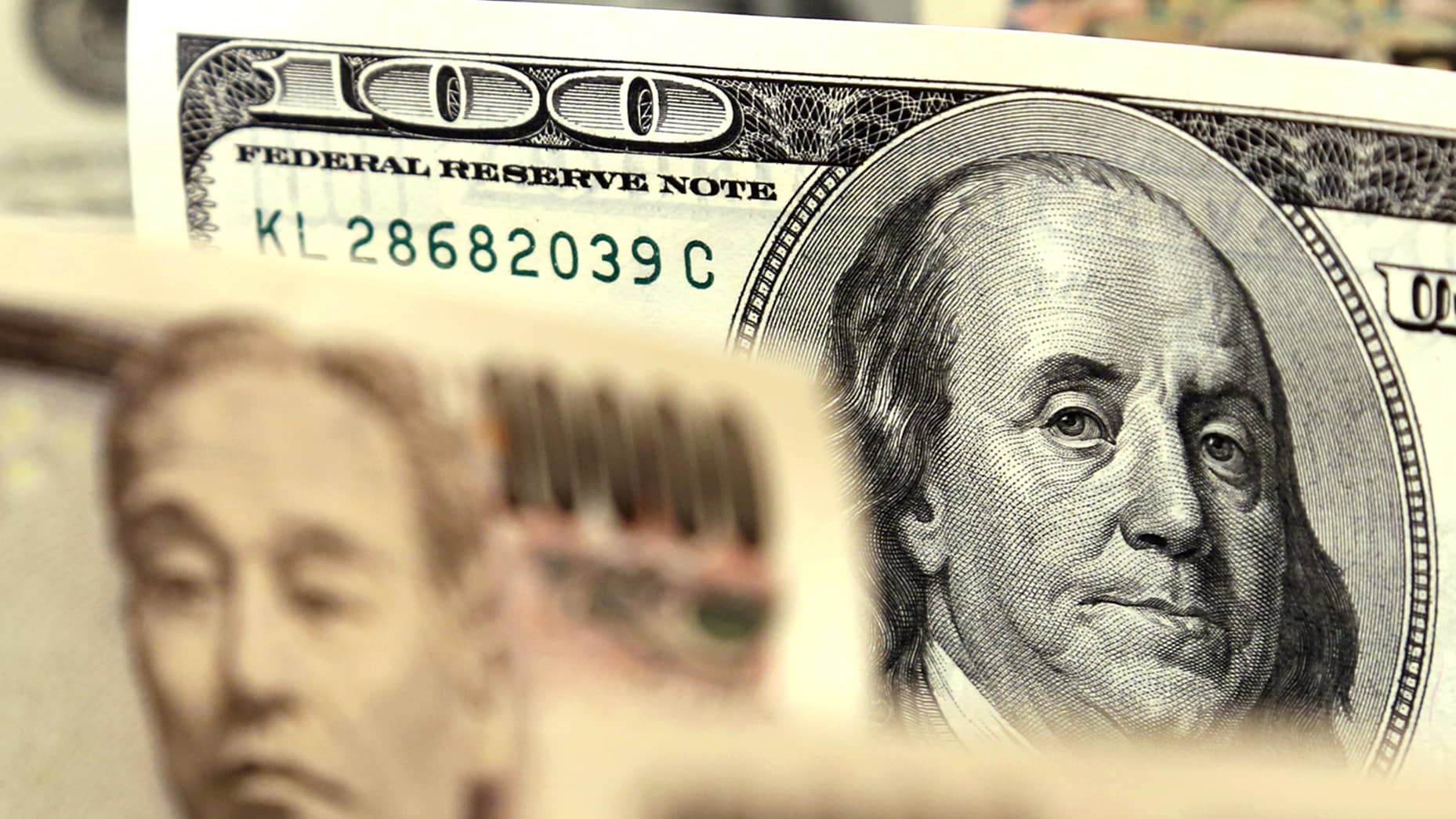
Yen tumbles with BOJ on hold; US dollar rises vs most currencies
The yen sank on Thursday as the Bank of Japan lowered growth forecasts due to U.S. tariffs and left interest rates on hold, while the dollar continued its bounceback on growing optimism about trade deals between the United States and its partners.
Volume was thinner than normal, as many international markets were closed on Thursday for the May Day holiday.
The Reuters Tariff Watch newsletter is your daily guide to the latest global trade and tariff news. Sign up here.
The Japanese currency dropped to a four-week low against the dollar, which rose 1.7% to 145.45 yen . Against the euro, the yen dropped to a one-month low, with the single currency last up 1.2% at 164.02 yen.
The BOJ's decision to hold interest rates was unanimous and anticipated, but investors saw the downgraded outlook as reducing the likelihood of future hikes. It now expects underlying consumer inflation to reach its 2% target around the latter half of fiscal 2026 and onward, pushing back the timing by a year from its previous projection in January.
The dollar, on the other hand, rose against major currencies such as the euro and sterling, due in part to expectations of deals with many of the country's trading partners including China. Those deals could soften the blow of U.S. tariffs on most goods.
U.S. Trade Representative Jamieson Greer had said on Wednesday that no official talks were happening with China.
The euro fell to a three-week trough versus the greenback and was last down 0.5% at $1.1273 . Sterling also fell, down 0.3% at $1.3293 .
A social media account affiliated with Chinese state media said on Thursday that the United States has approached China seeking talks over President Donald Trump's 145% tariffs, that potentially signals Beijing's openness to negotiations.
In other currencies, the Australian dollar dipped against its strengthening U.S. counterpart after a bumper April that saw it notch a multi-month peak.
The Aussie was last down 0.3% at US$0.6383, having recently found support after a slightly hotter-than-expected inflation reading toned down some of the more dovish bets on the rates trajectory. The New Zealand dollar, meanwhile, sagged 0.5% to $0.5910.
Source: Reuters