

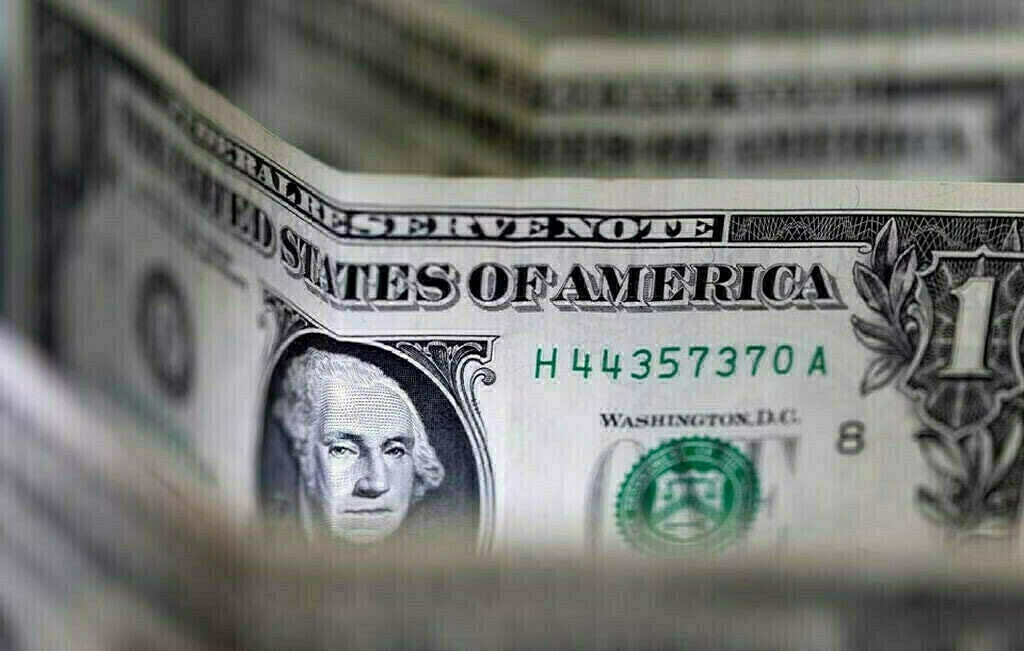
Dollar Bullish Bias Firms as Iran Escalates Attacks
The U.S. dollar headed for its strongest close in nearly two months as oil prices climbed on growing concerns that the Middle East conflict will drag on, reinforcing a risk-off tone across markets.
The Bloomberg Dollar Spot Index rose about 0.3% before paring some of the advance, while 10-year Treasury yields were little changed around 4.23%, suggesting the day’s support for the greenback was driven more by geopolitics and defensive flows than a major rates move.
Options markets also reflected a firmer bullish tilt toward the dollar. One-month risk reversals rose to about 93 basis points, the highest level since late 2022, signaling stronger demand for near-term USD upside protection.
Energy headlines were the primary catalyst. Brent crude surged back above $100 a barrel after Oman cleared all ships from its key oil export terminal and two tankers were attacked in Iraqi waters. Iran also escalated attacks targeting parts of Dubai and shipping assets, deepening worries about supply and logistics disruption.
USD/JPY was little changed around 158.90 after earlier touching a two-month high near 159.24, as options traders and strategists increasingly view Japan’s bar for FX intervention as relatively high, leaving the yen vulnerable unless moves become disorderly.
In Europe, EUR/USD fell for a third straight day, trimming a 0.3% decline to trade near 1.1548. The euro was set for its longest losing streak in four weeks as both technical signals and options positioning deteriorated.
Trade policy added another layer of uncertainty. U.S. Trade Representative Jamieson Greer said his office would begin a Section 301 probe into more than a dozen major economies, including China and the EU, focused on alleged excess manufacturing capacity—an additional risk factor that can support the dollar via safe-haven demand.
GBP/USD slipped about 0.4% to 1.3361 before paring losses, while one-week risk reversals widened to roughly 135 bps in favor of the greenback. Separately, Goldman Sachs economists pushed back their forecast for the next Bank of England rate cut to July from April, citing the energy shock stemming from the Iran war.
Source : Newsmaker.id








