

Dollar Under Pressure After NFP Delay
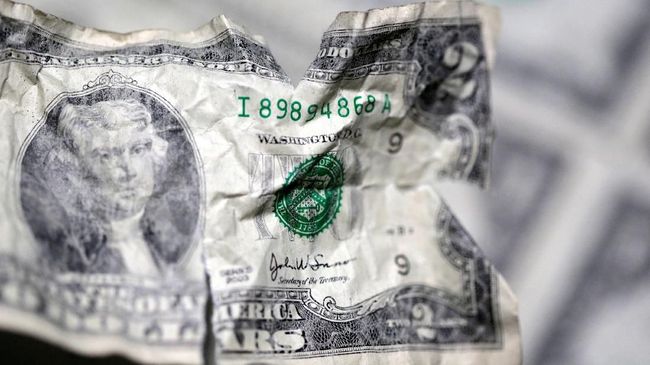
The US dollar weakened slightly against the euro in European trading on Wednesday (February 4th), triggered by uncertainty over the Fed's policy after the release of crucial employment data was delayed due to the recently ended partial government shutdown. Delays in data such as the NFP have left the market without a "compass" for reading the direction of US interest rates, making the dollar's movements more hesitant.
On the other hand, the market is still digesting the effects of the "Warsh factor." The dollar surged on Friday after Donald Trump selected Kevin Warsh to replace Jerome Powell when Powell's term ends around May. Warsh is known for supporting a leaner Fed balance sheet and for suggesting that productivity gains from AI could open up more room for looser policy—a combination that could steepen the yield curve but actually make the overall direction of interest rates appear more uncertain.
Meanwhile, investor attention is also focused on Europe. The euro strengthened by about 0.13% to $1.1833 ahead of Thursday's ECB meeting, where markets are awaiting signals on whether the central bank will become concerned about the euro's rapid strengthening. Last week, the euro briefly touched a 4.5-year high of 1.2084, and several ECB officials have warned that an overly strong euro risks depressing inflation—even though inflation is already projected to be below the 2% target. Sterling also strengthened slightly ahead of the Bank of England meeting, with market consensus expecting interest rates to be on hold.
In Asia, the Japanese yen continued its decline for the fourth consecutive day, falling about 0.44% to 156.43 per dollar, ahead of national elections. Concerns stemmed from Prime Minister Sanae Takaichi's campaign, which pushed for higher spending, tax cuts, and a defense agenda—even mentioning the benefits of a weaker yen (though she later retracted). The market interpreted these mixed signals as additional risks to the already fragile currency.
Other currencies moved mixed. The Australian dollar edged up after a strong rally the previous session following the RBA's interest rate hike. In China, the yuan briefly touched its strongest level in nearly 33 months against the dollar on signals of a more assertive central bank policy, although its strengthening was considered "restrained" to prevent it from becoming too rapid. With strong exports supporting the yuan, the risk remains tilted to its upside—but excessive gains could also add pressure to China's still fragile economy.
Source: Newsmaker.id








