Oil Spikes as Israel’s Attacks on Iran Stoke Fears of Wider War
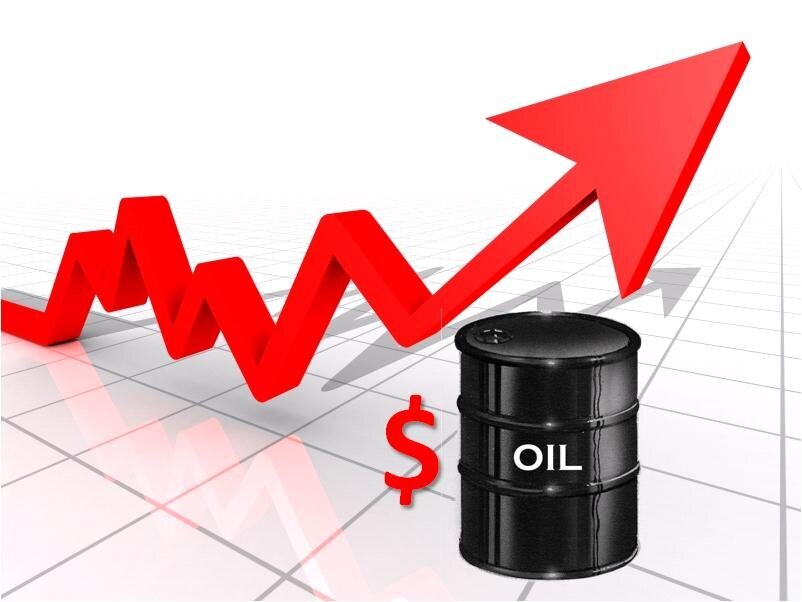
Oil surged as much as 14% after Israel carried out airstrikes against Iran, raising fears of a wider war in a region that accounts for a third of global crude production.
West Texas Intermediate crude futures topped $77 a barrel at one stage, the biggest intraday jump since May 2020, before paring gains to trade near $73 a barrel. The price of European natural gas — also a major Middle Eastern export — rallied and haven demand pushed gold closer to a record.
US President Donald Trump urged Tehran to make a deal “before it is too late,” in a post on Truth Social. The next attacks already being planned will be “even more brutal,” he said.
The attack marks the most dramatic escalation yet in a conflict that has loomed in the background of the oil market for about 20 months, but had yet to result in a significant loss of barrels. A broader regional clash in the Middle East threatens a major rerouting of global oil flows by restricting supplies through the Strait of Hormuz in addition to the possible reduction of Iranian exports, with JPMorgan Chase & Co. pegging the potential impact at more than 2.1 million barrels a day.
Israel launched another round of attacks on several locations in Iran, including the Natanz nuclear site and Tabriz. Israeli Prime Minister Benjamin Netanyahu earlier said strikes targeted Iran’s nuclear and ballistic missile programs and that the operation would continue until the threat was removed.
Hours after the first Israeli strikes, Tehran launched more than 100 drones, Israel Defence Forces said. Israel expects Iran to respond with missiles and further drone attacks, according to a military official.
Oil’s rapid ascent erased year-to-date losses that had been driven by global trade tensions and an accelerated revival in OPEC+ output. Still, the market reaction didn’t suggest traders were anticipating a worst-case scenario.
“The current Brent level is not pricing in much risk for any kind of larger damage or disruption to Iranian oil infrastructure and exports due to current ongoing bombings,” SEB AB said in a report. “There is not much risk priced in for disruptions of exports out the Strait of Hormuz. There is not much risk priced in for a wider war erupting in the Middle East.”
Israel’s overnight airstrikes on Iran also drove up shipping rates, with forward freight agreements for July — bets on the future cost of moving Middle East crude to Asia — jumping 15% to $12.83 a metric ton, according to data from brokerage Marex Group Plc.
Frontline Ltd., one of the world’s largest oil tanker operators, is now “far more hesitant” about offering its vessels to haul cargoes from the Persian Gulf, Lars Barstad, chief executive officer of Frontline’s management firm, said by phone.
“For now, this is a risk premium — owners will hold back from putting ships into the Gulf on a business-as-usual basis,” said Anoop Singh, global head of shipping research at Oil Brokerage Ltd. “A threat of war in the Middle East is material to freight rates.”
West Texas Intermediate for July delivery surged 7.6% to $73.21 a barrel at 10:28 a.m. in New York.
Brent for August rallied 7.3% to $74.43 a barrel.
Source : Bloomberg