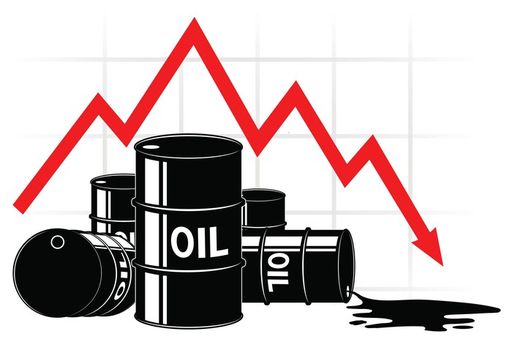
Oil Falls After US-Iran Deal Hits Market
Oil prices weakened on Thursday (June 17th) after the US and Iran signed a memorandum of understanding that includes an end to hostilities and the reopening of the Strait of Hormuz. Brent fell 2.7% to $77.38 per barrel, while WTI fell 3.7% to $74.00 per barrel. Both contracts hit their lowest levels since early March.
Selling pressure resurfaced after the market assessed that the deal could restore energy flows from the Gulf region. The Strait of Hormuz is a vital passageway for about a fifth of global oil and LNG supplies, so its reopening could potentially reduce the risk of supply disruptions that had previously driven energy prices higher.
Oil has now fallen in five of the last six sessions and is down nearly 11% so far this week. However, some analysts believe that prices are unlikely to fall sharply further, as the recovery of shipping traffic in Hormuz could be gradual and the geopolitical risk premium has not yet fully dissipated.
The prospect of additional Iranian supply is a major factor weighing on the market. The initial agreement also included a gradual easing of restrictions on Iranian oil sales, prompting investors to consider the possibility of more barrels returning to the global market.
The International Energy Agency estimates that the oil market could enter a large surplus if Middle Eastern production fully recovers. Global supply is projected to increase by around 8 million barrels per day in 2026–2027, far exceeding demand growth of around 2 million barrels per day, potentially creating a surplus of more than 5 million barrels per day by 2027.
Besides supply factors, the market is also weighing the Federal Reserve's decision. The Fed kept interest rates unchanged but signaled the possibility of a hike later in the year. High interest rates can depress economic activity and risk weakening oil demand, thereby adding pressure on crude prices. (arl)
Source: Newsmaker.id